CURRENT EXHIBITION
Mezzo Gallery, Intersect Arts Center, and Holy Cross Lutheran Church will work collaboratively over the course of the 2026-2027 exhibition season to explore the Nicene Creed. Exhibitions and events investigate phrases taken from this ancient creed, using art to encounter the creed in new ways.
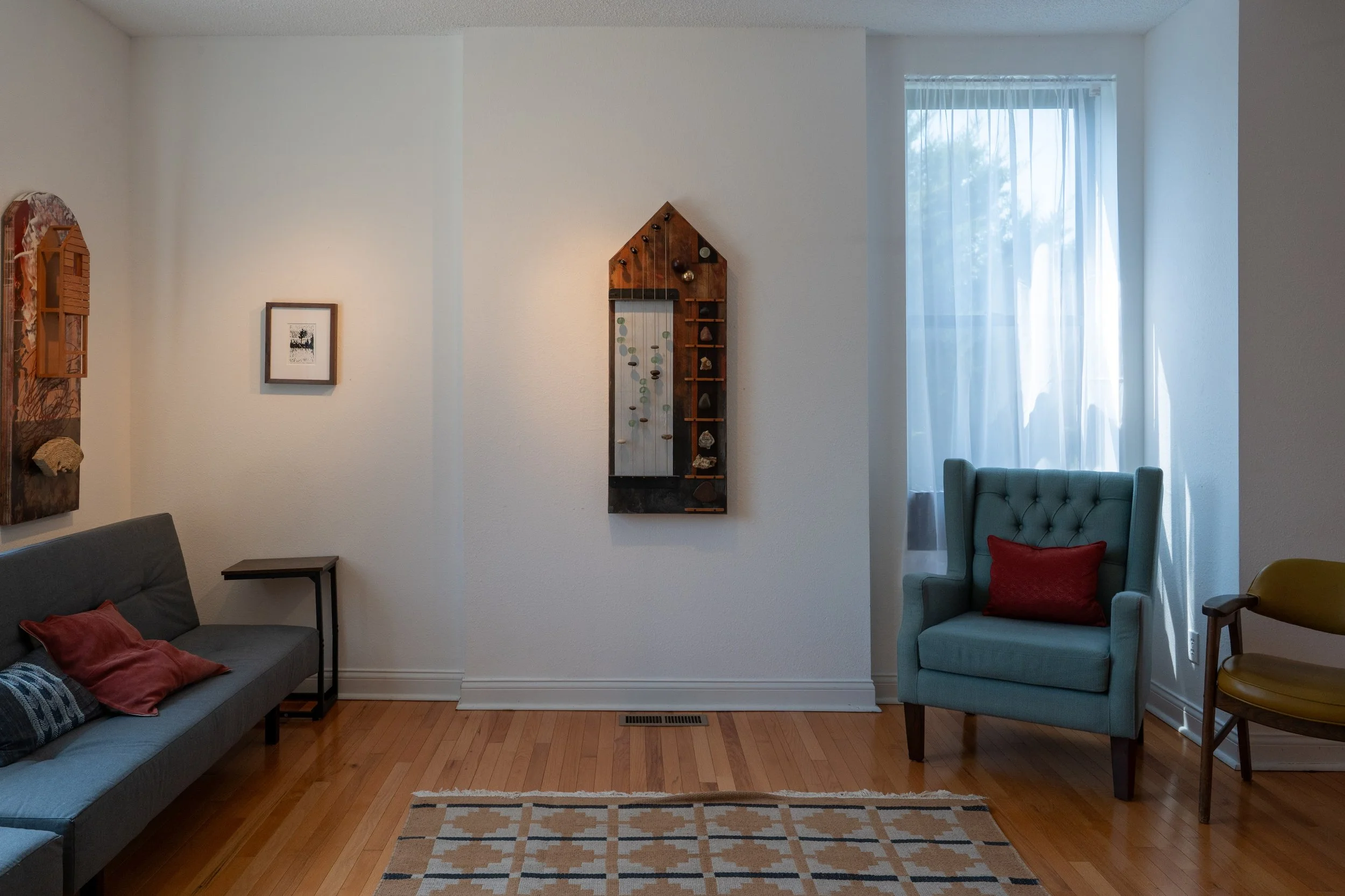
The first exhibition at Mezzo this season, Visible & Invisible, explores the beginning article of the creed through the work of artist Cameron Anderson. The assemblages, prints, and sculptures in this exhibition form a minimalist and found-object meditation on home, longing, and making.
Visible & Invisible runs from August 16 - October 14, 2026, and is available to view by appointment. To make an appointment, please fill out the contact form below.
Intersect’s fall exhibition, Seen and Unseen, coincides with Visible & Invisible, and is available to view Monday through Friday 10am-6pm from September 8 - December 11, 2026.
Want to know more about the artist and the work in the show? Join Mezzo for an artist conversation with Cameron Anderson and special guest John Hendrix on Wednesday, October 14, 2026 starting at 6pm. This event is free, but registration is required: to register click here or check out our events tab.
Generous support for this project was provided by the Creative Arts Collective for Christian Life & Faith.
Come and See the Show!
Please use this form to make an appointment to see the show! Someone from our team will be in touch within 1-3 business days to confirm availability.
CURATORIAL STATEMENT
Nobody tells you when you get born here
How much you’ll come to love it
And how you’ll never belong here
So I call you my country
And I’ll be lonely for my home
And I wish that I could take you there with me
— Rich Mullins, The Land of My Sojourn
I believe in God the father almighty, maker of heaven and earth,
Of all things visible and invisible.
— Nicene Creed
Then God planted a garden…
Genesis 2 begins with telling us how God made humans, and then made them a home, a garden full of trees beautiful to look at and good to eat.
In Genesis 1 and 2, we discover a God, almighty yet intimate, like a parent who delights in spending time with and teaching their children. We discover a God who, out of the abundance of God’s self, makes things. God makes sense out of chaos, makes sky and sea, land and space and fish and birds and rhinos and (yes, sadly) mosquitos, and finally human beings. God makes everything Adam and Eve and the creation around them that they could see, could touch, could taste, could smell, could hear. And God makes an invisible world, a spirit world of intangible things, where the eye can only glimpse the outward effect. The wind remains invisible to our eyes, yet we see the tree sway. We cannot see God, yet we see all things made by God’s hands.
But in Genesis 2:8-9, just as the author of Genesis tells us that God made a garden, they also mention that in this garden God planted two trees. Those of us who know the story, we hear about these two trees and sigh. We know Adam and Eve will disobey God. We know they’ll eat from the tree of knowledge, bringing death into their world, and God will expel them from the only home they’ve known.
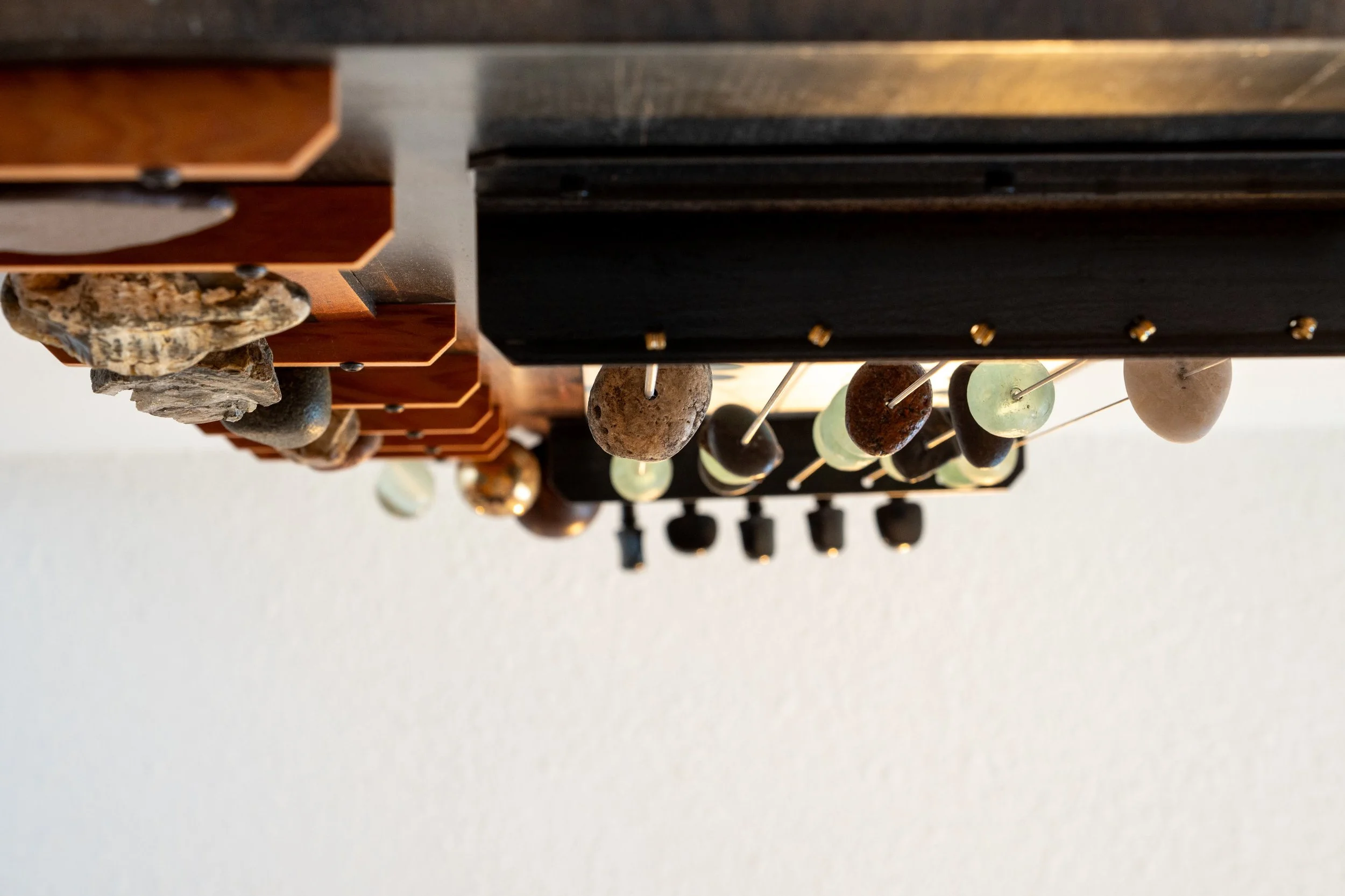
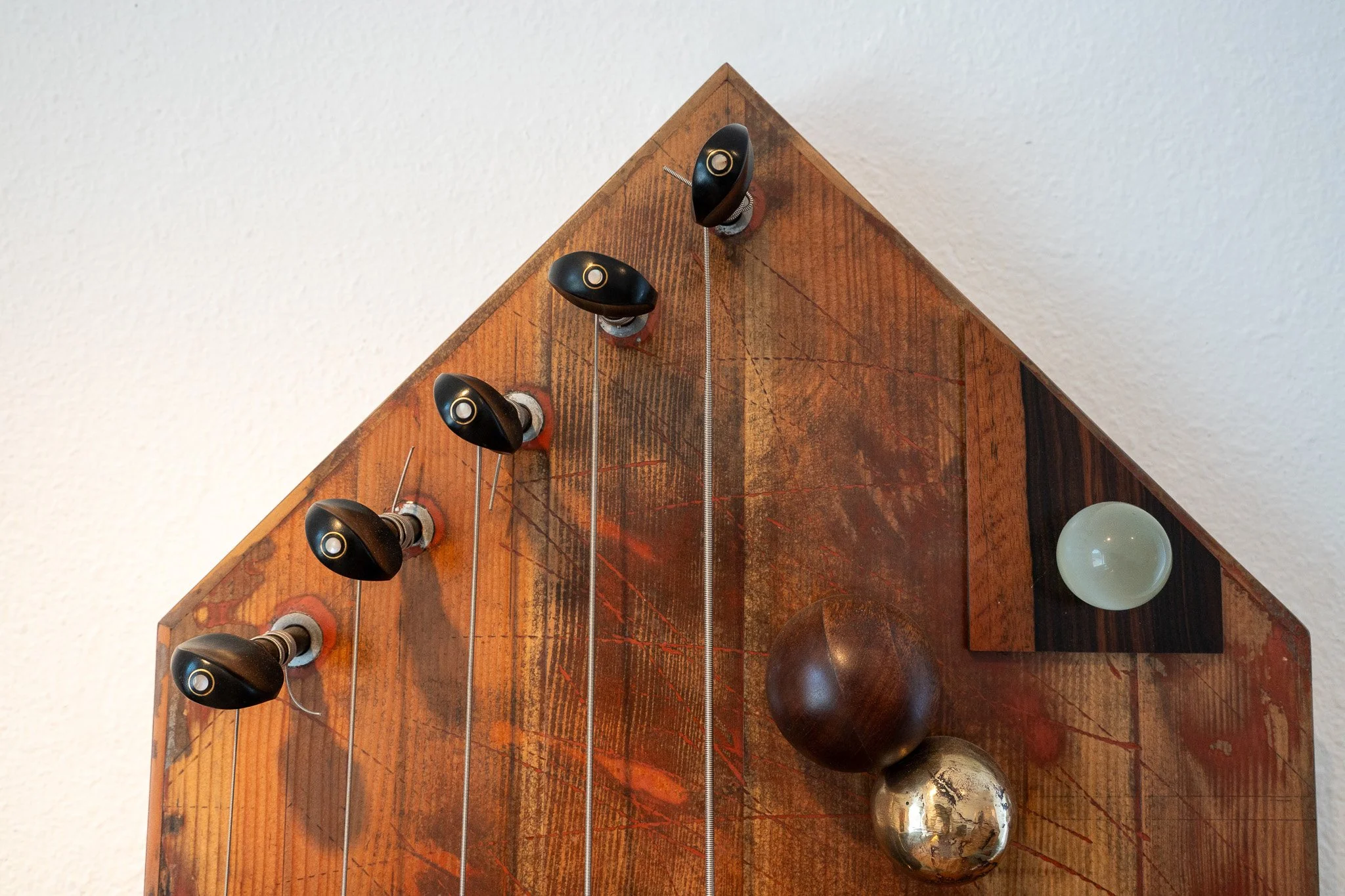
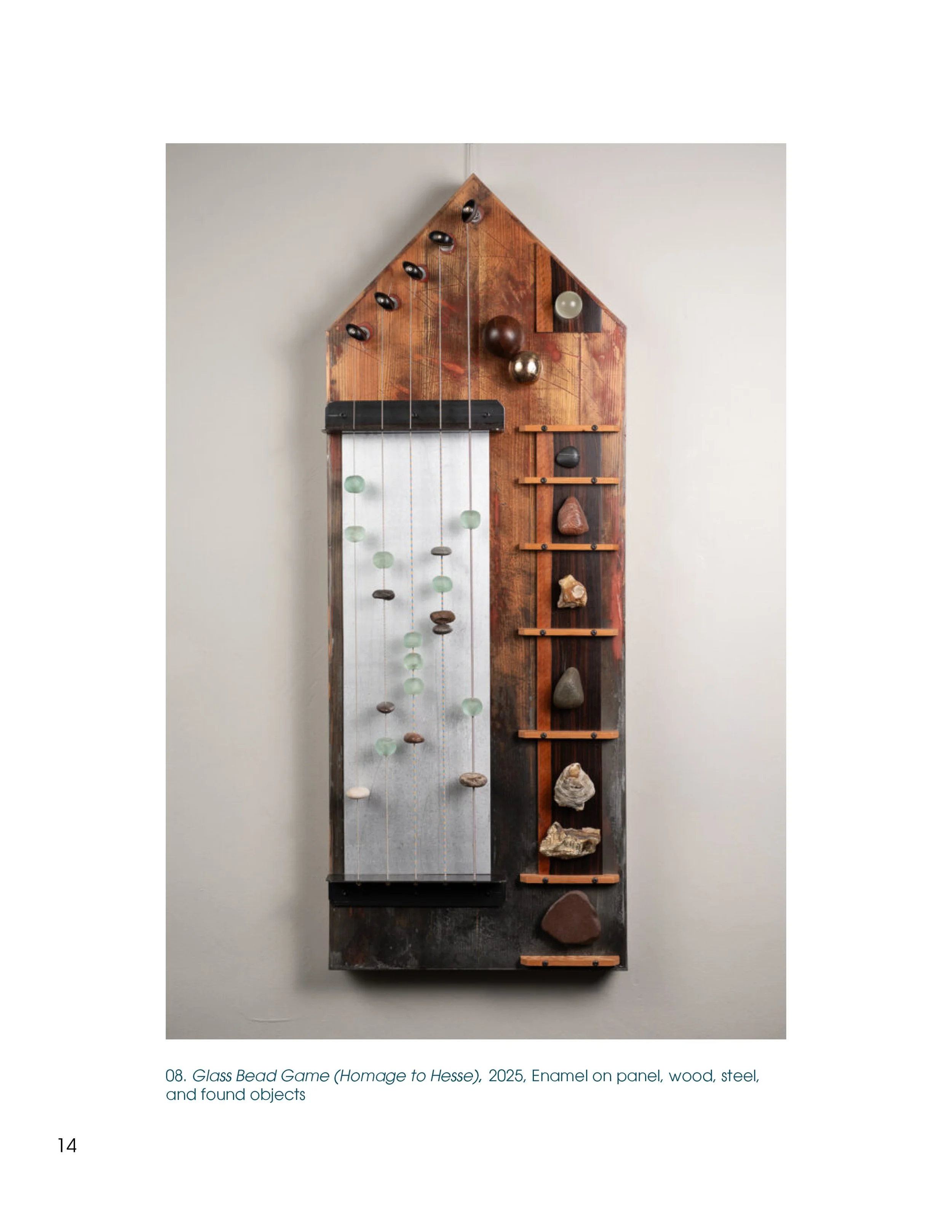
The Glass Bead Game (detail), Cameron Anderson, photo courtesy of Kati Q. Gaschler
Home. A thing both visible and invisible. A house is four walls and a roof, or really anything that protects you from the outside elements. But a home needs more than just a physical structure. In some ways, home is invisible. A feeling, a desire, an experience.
When you hear the word home, what do you think of? Maybe you see in your mind’s eye the childhood home you left long ago. Maybe you see the life you made with a partner, the children you raised together who now make homes of their own. Maybe you see the little apartment you decorated yourself, creating a space of comfort and safety and welcome after a long day’s work. Maybe you see a garden, digging your hands deep into the same soil humans come from, planting good things and helping them grow. Maybe you see a neighborhood, where a community of people look out for each other and share one another’s joys and tragedies. Maybe you see a church, full of diverse faces and stories that all come together under the banner of Christ’s love.
But, I’ll bet, deep down, if many of us were honest with ourselves, we’d admit that even when we experience that sense of home, of belonging to a place, there remains a sense of wistful longing for home. C.S. Lewis called it Sehnsucht — a German word that doesn’t have a good English equivalent. It means an inconsolable longing for an unknown something; a feeling of sweet melancholy, romantic yearning, and homesickness for another, faraway world. Like Rich Mullins says in his song, Land of My Sojourn, we can be lonely for home, perhaps even a home we’ve never seen, even while we exist in places where we belong.
The artist Cam Anderson, whose work you see in Visible & Invisible, understands that longing. These assemblages, prints, and sculptures come from a series he created called Further North, that speaks to the enduring power of home and our longing for it. As a child Anderson’s family moved from the farms and forests of the Upper Peninsula of Michigan to suburban Milwaukee, and yet the landscape, light, and texture of the U.P. lives on in his imagination. Anderson’s work gently grasps at this remembrance, holding that longing for a home that seems just out of reach in objects carefully stewarded and lovingly shaped.
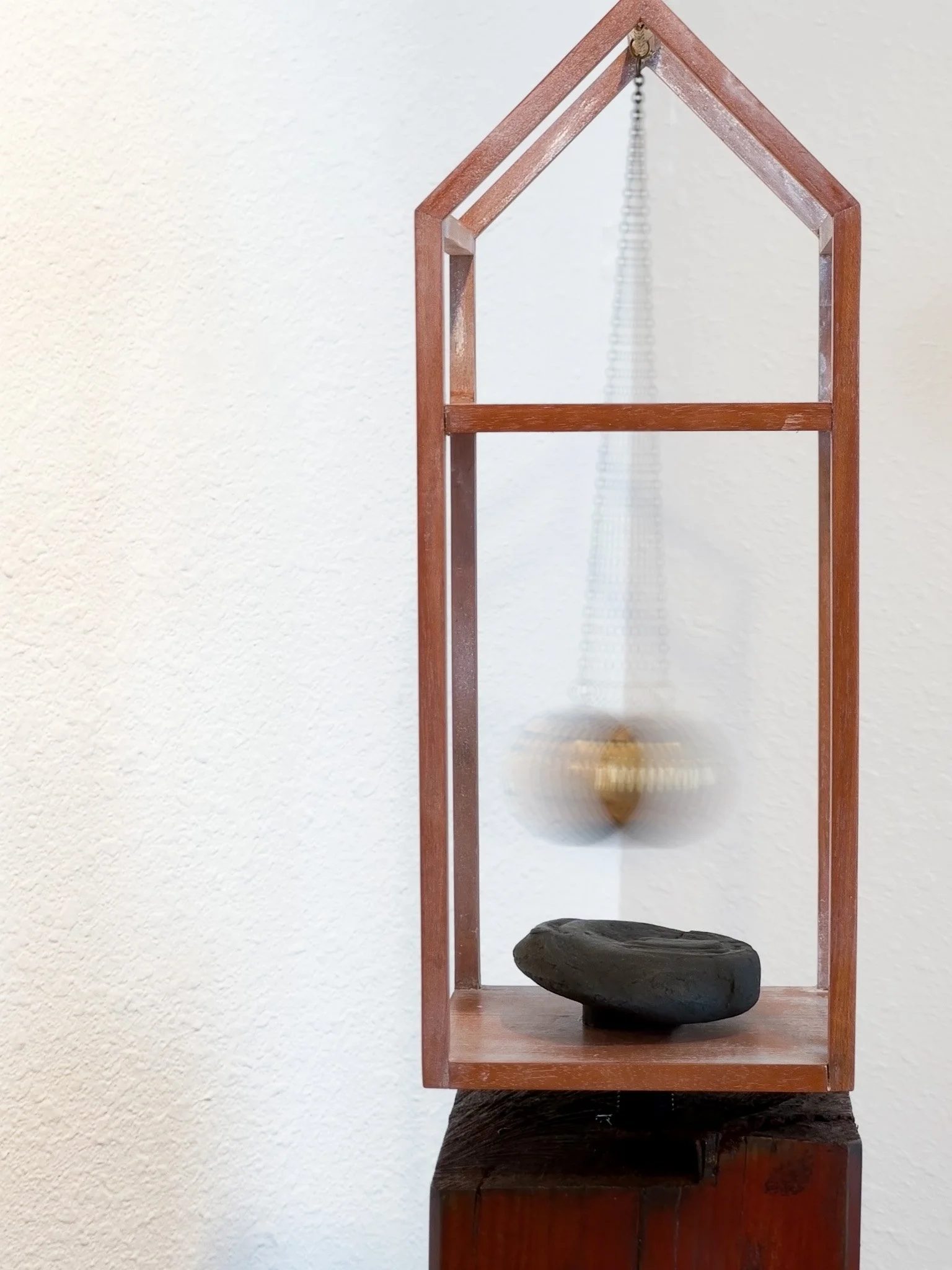
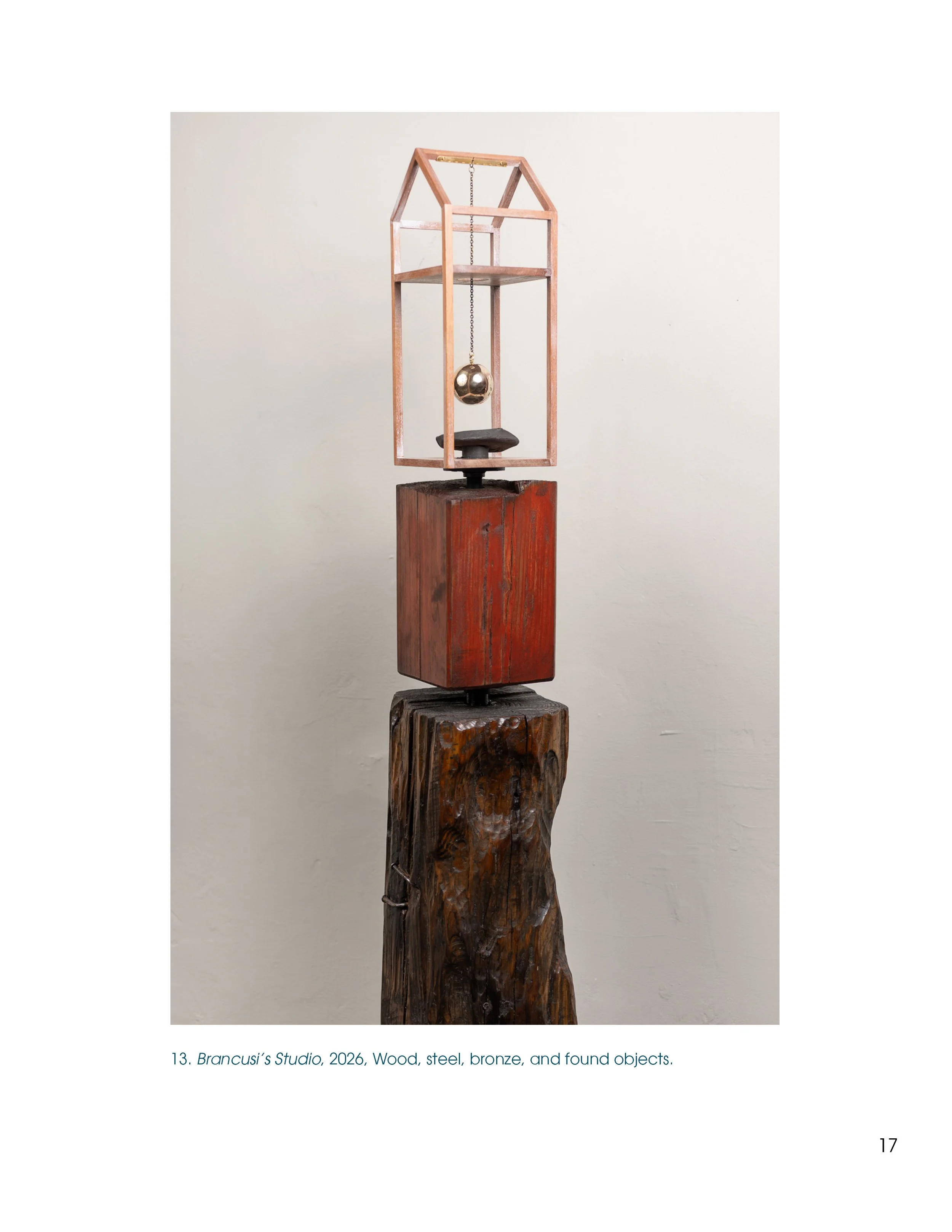
Brancusi’s Studio (detail), Cameron Anderson. Photo courtesy of Mezzo Gallery
When we say the creed, we affirm God as a maker. And what did God make? Everything we see and everything we can’t see. God made sunflowers and platypuses and good bacteria to make soil fertile. God made people, and in divine love, purpose, and playfulness, made us as makers. Humans love to make things. We make gardens and babies. We make books and bridges. We make fire and engines. We make paintings and policies. We make bread and shoes and movies and furniture and rockets.
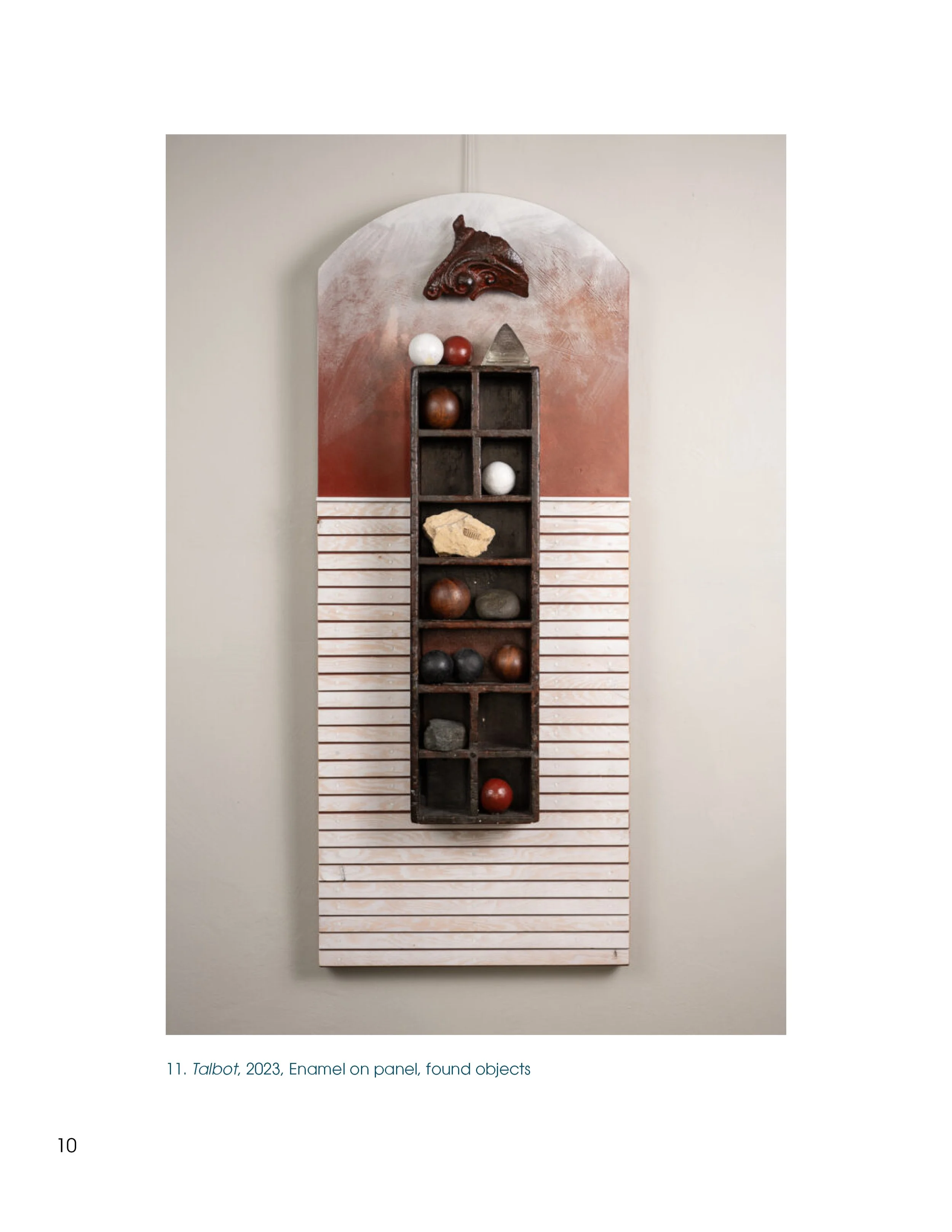
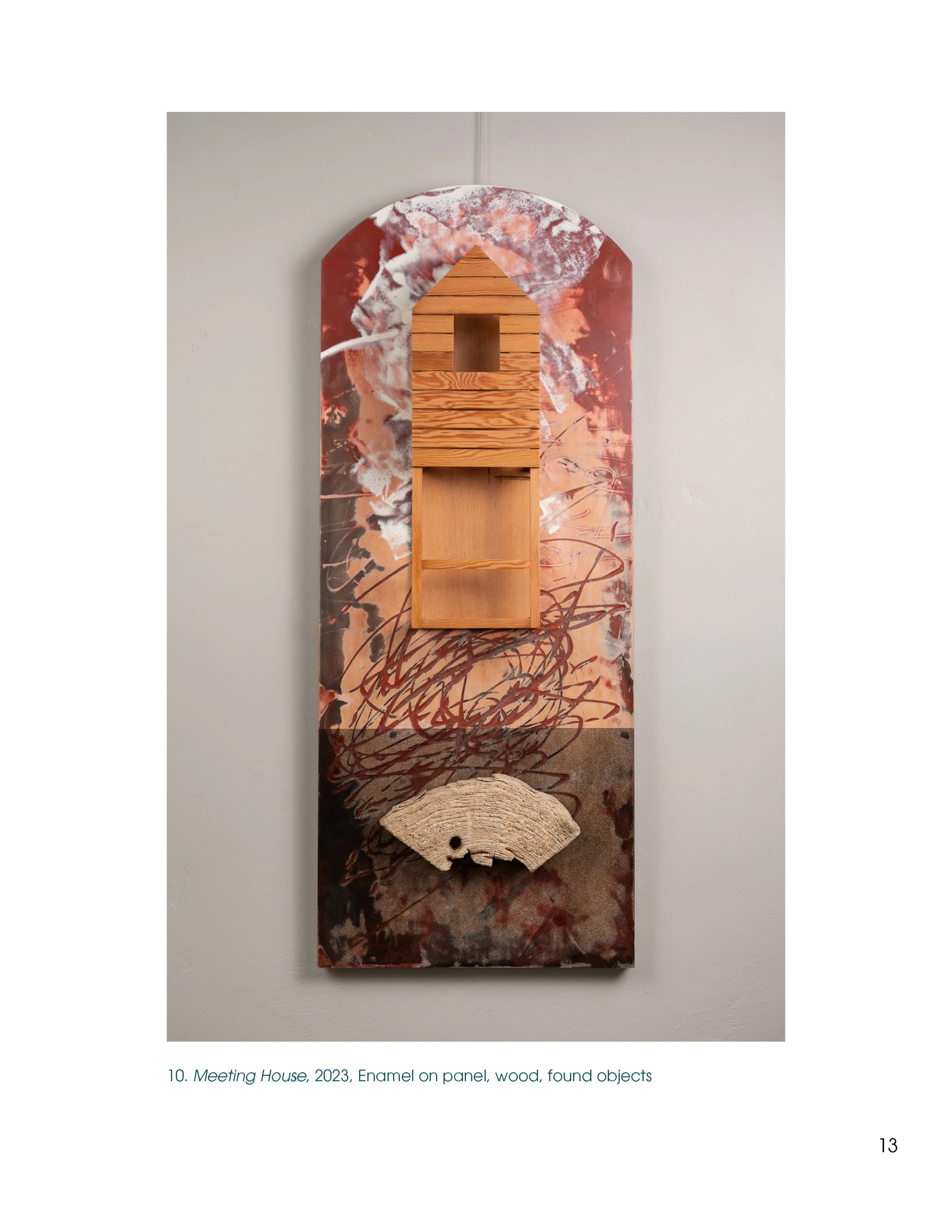
But we’re little m makers compared to God as Maker. We pick up and use bits of the things he’s made to make new things, and Anderson’s work revels in this reality. His work takes shape from the things God and other people made. Guitar strings and glass beads. Rocks and bits of driftwood. All these rescued items inhabit house-shaped substrates, speaking to the physicality of home and also the elusiveness of it. Abstract, yet with objects we recognize, Anderson’s work leans into the mystery of our longing for home.
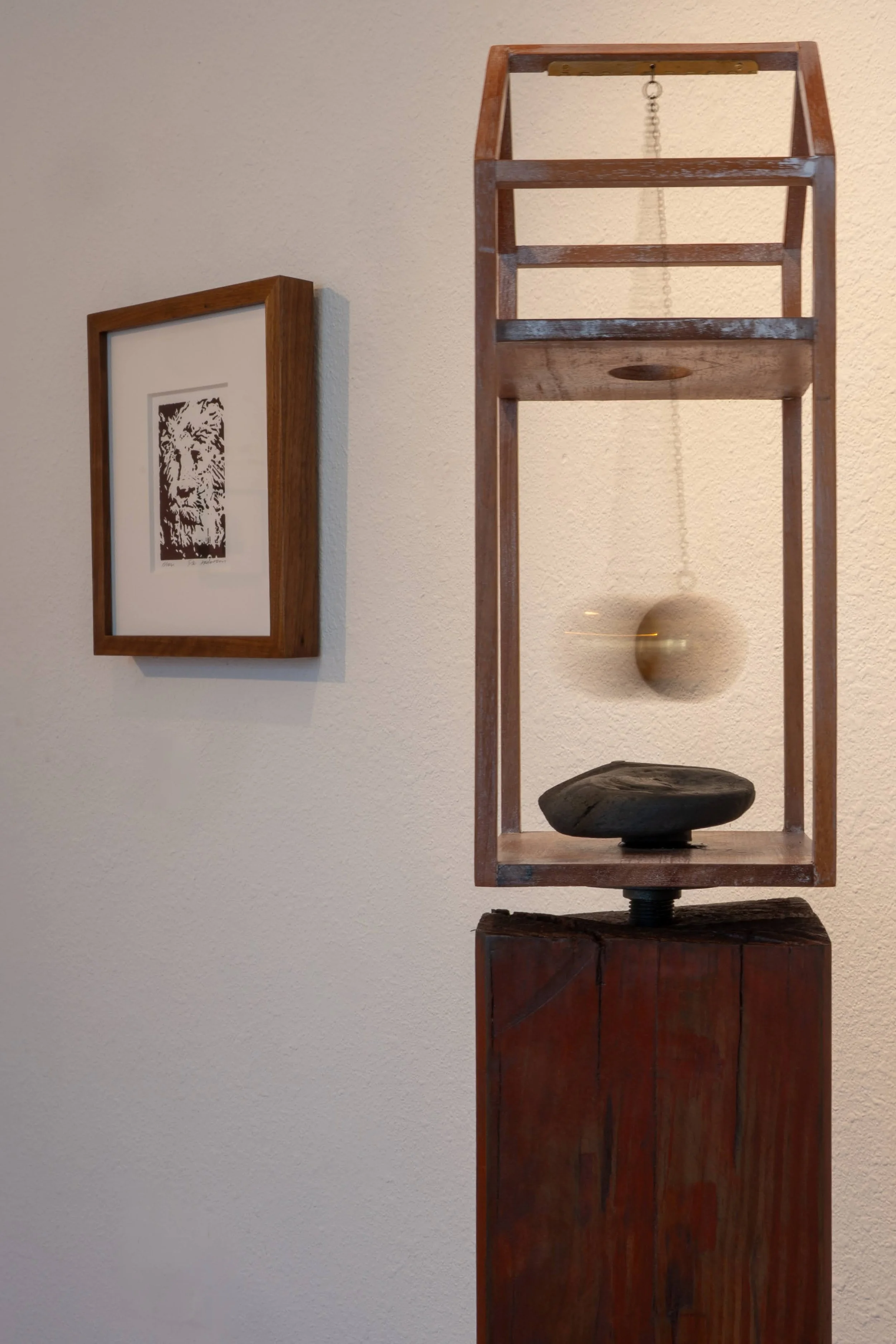
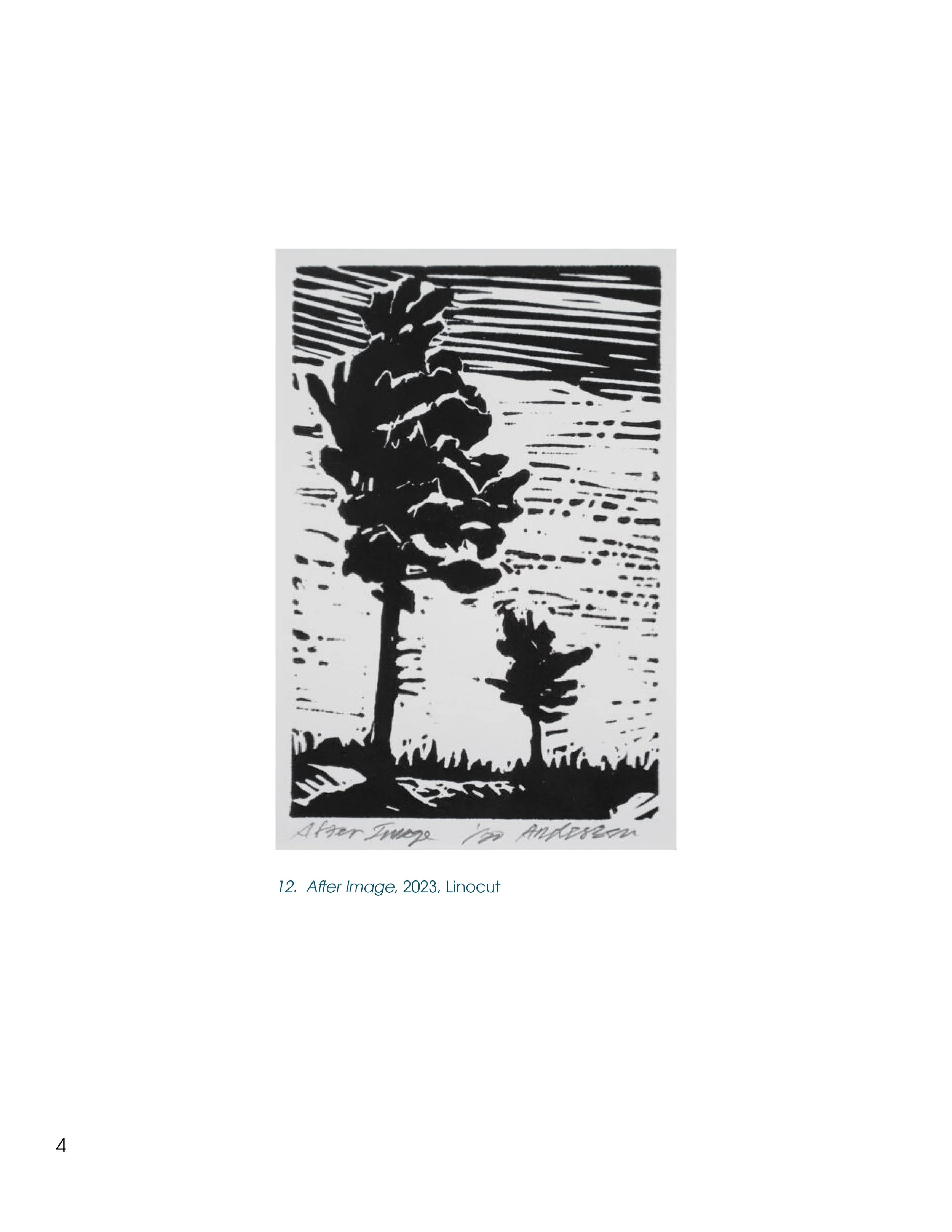
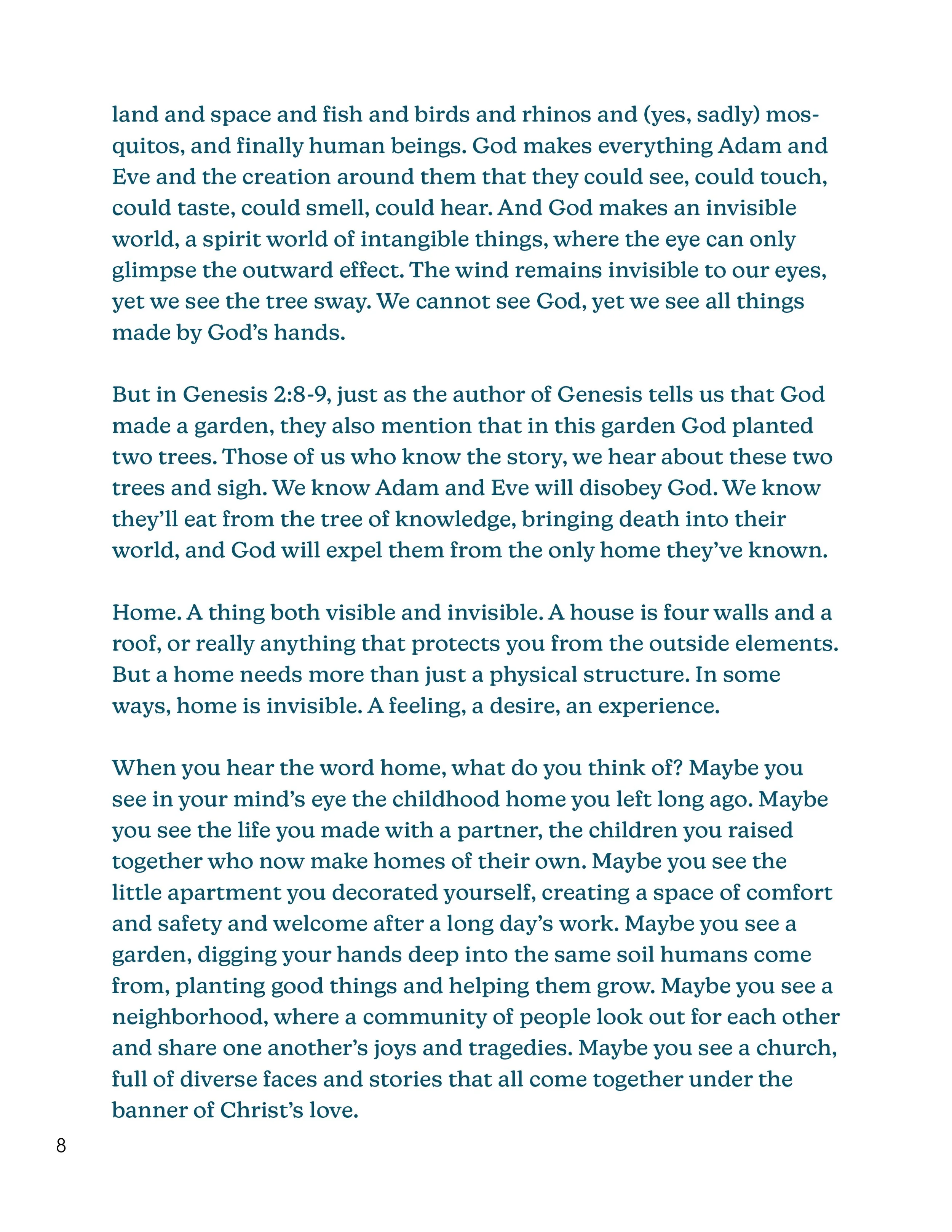
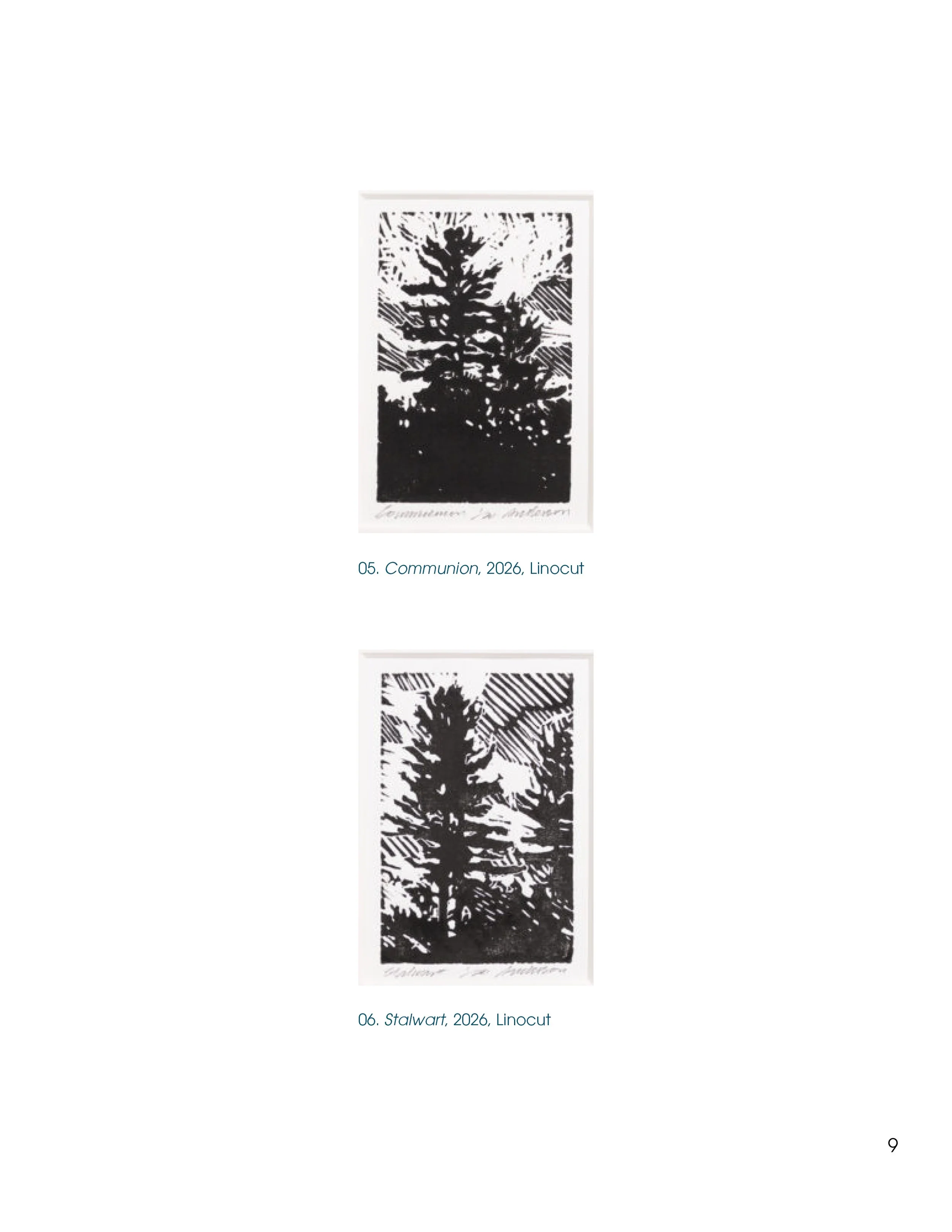
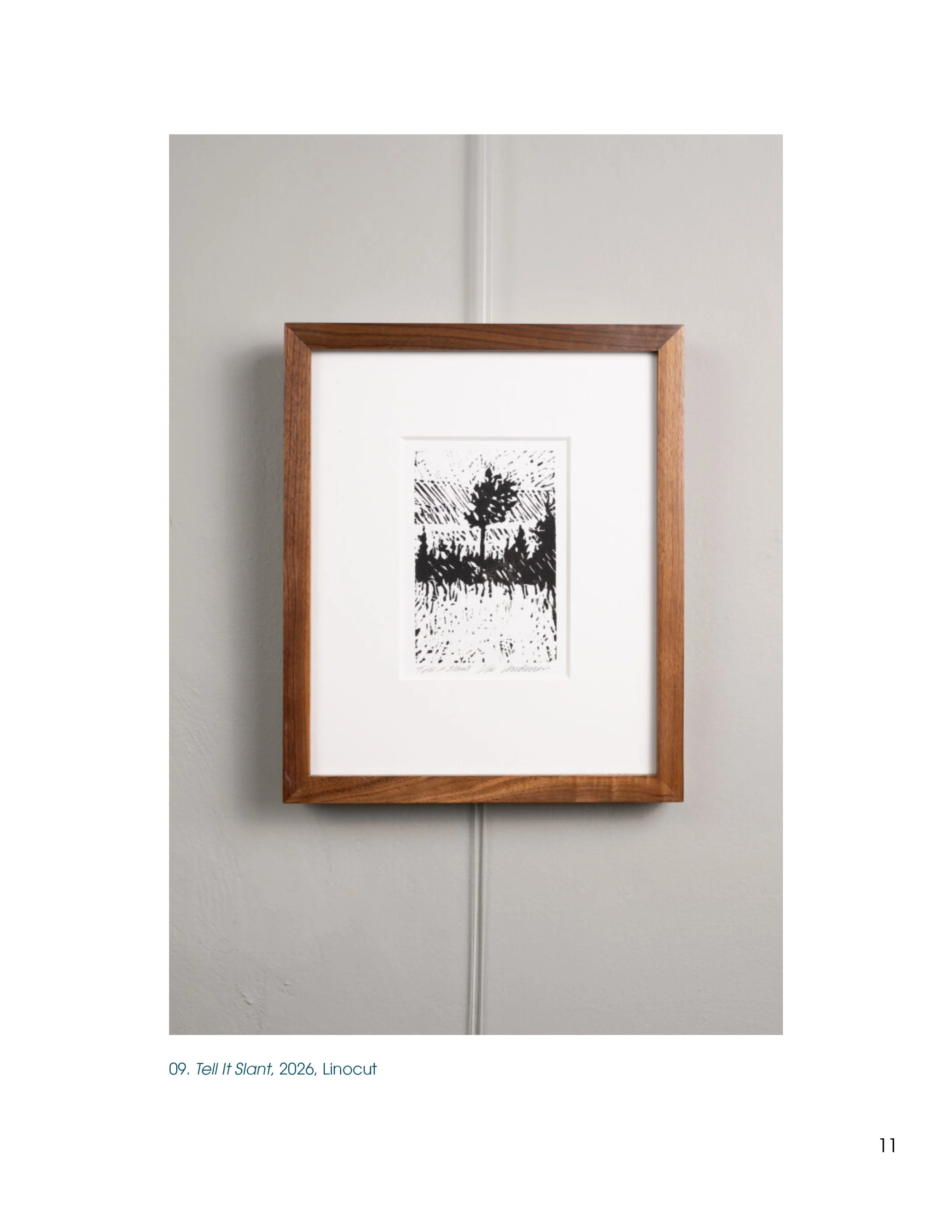
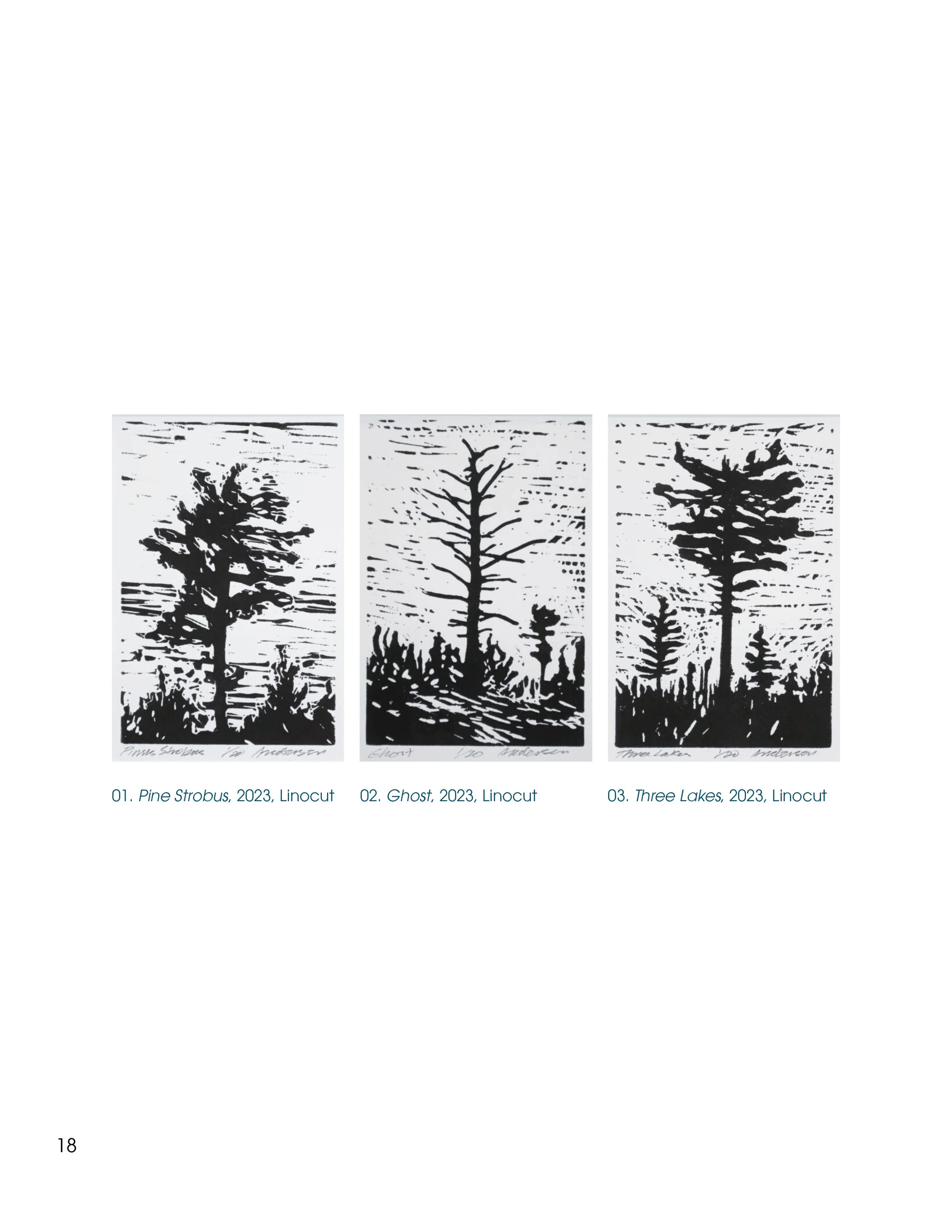
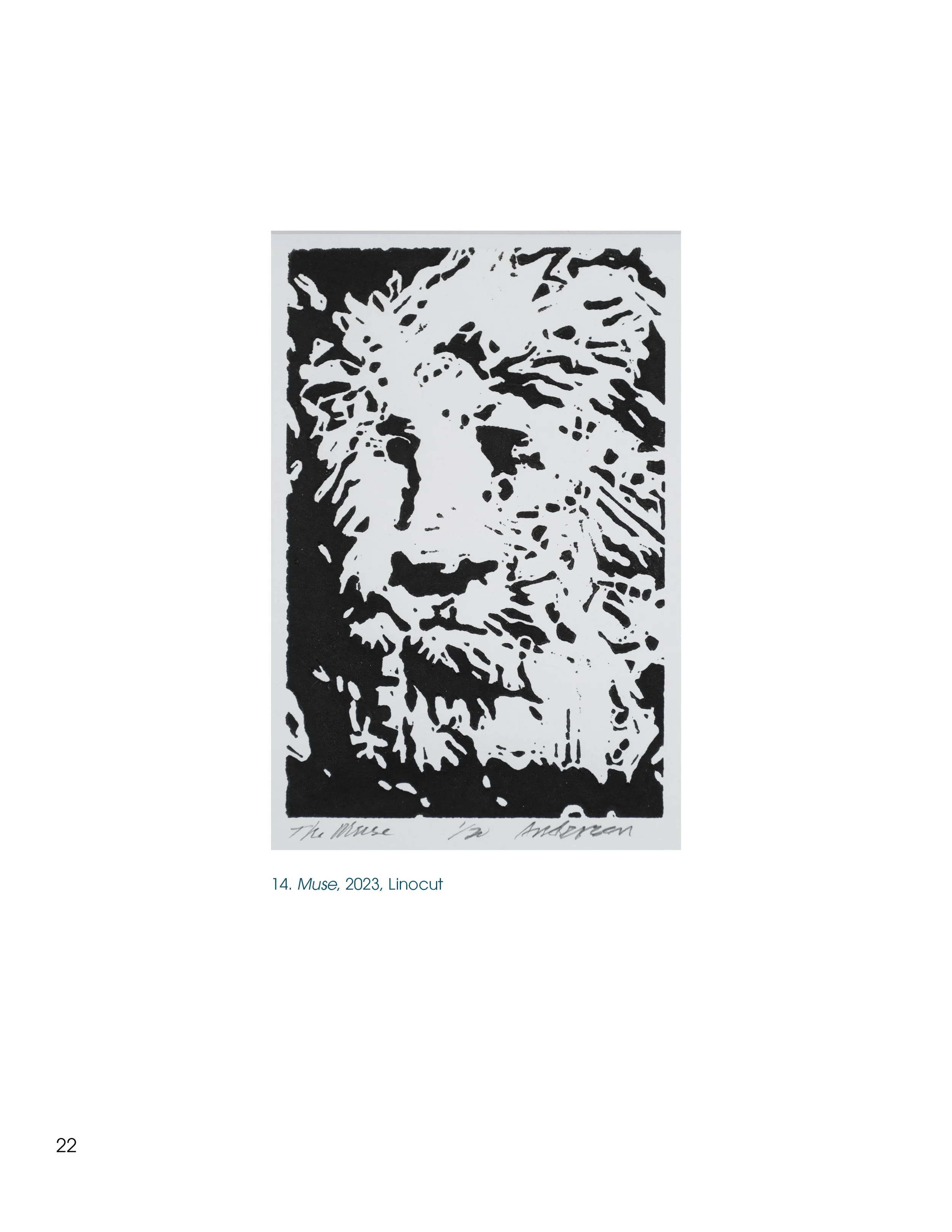
His prints, full of tall northern pines, also elicit this sense of home. If you’ve ever been in a place like Northern Michigan or Wisconsin, then you’ll recognize these big pines right away. I myself grew up in Michigan as a child, and when we went back to visit my grandpa, I always knew we were close when the flat, sunny cornfields of Illinois or Indiana slowly turned into thick patches of towering dark pines. The prints filter into our view like landmarks, letting us know we’ve journeyed northward, even if only in our imagination. They may cause us to ponder what sorts of landmarks in our own lives show us home. We can think of the Nicene Creed as such a landmark, its familiar words anchoring us to our faith and tradition, flooding our imaginations with mystery and specificity to see God, Almighty, Maker of Heaven and Earth.
Speaking of imagination, this other incredible thing God made; we can’t see our imagination, yet by it we can see whole universes of things that exist or don’t exist (yet!). Our imaginations help us to see Christ healing the leper, or putting the mud on a blind man’s eyes. Our imagination helps us to see how we might love our neighbor in a way that truly sees them. Our imagination helps us to step into the mystery of an ancient creed week after week and find a home in its words.
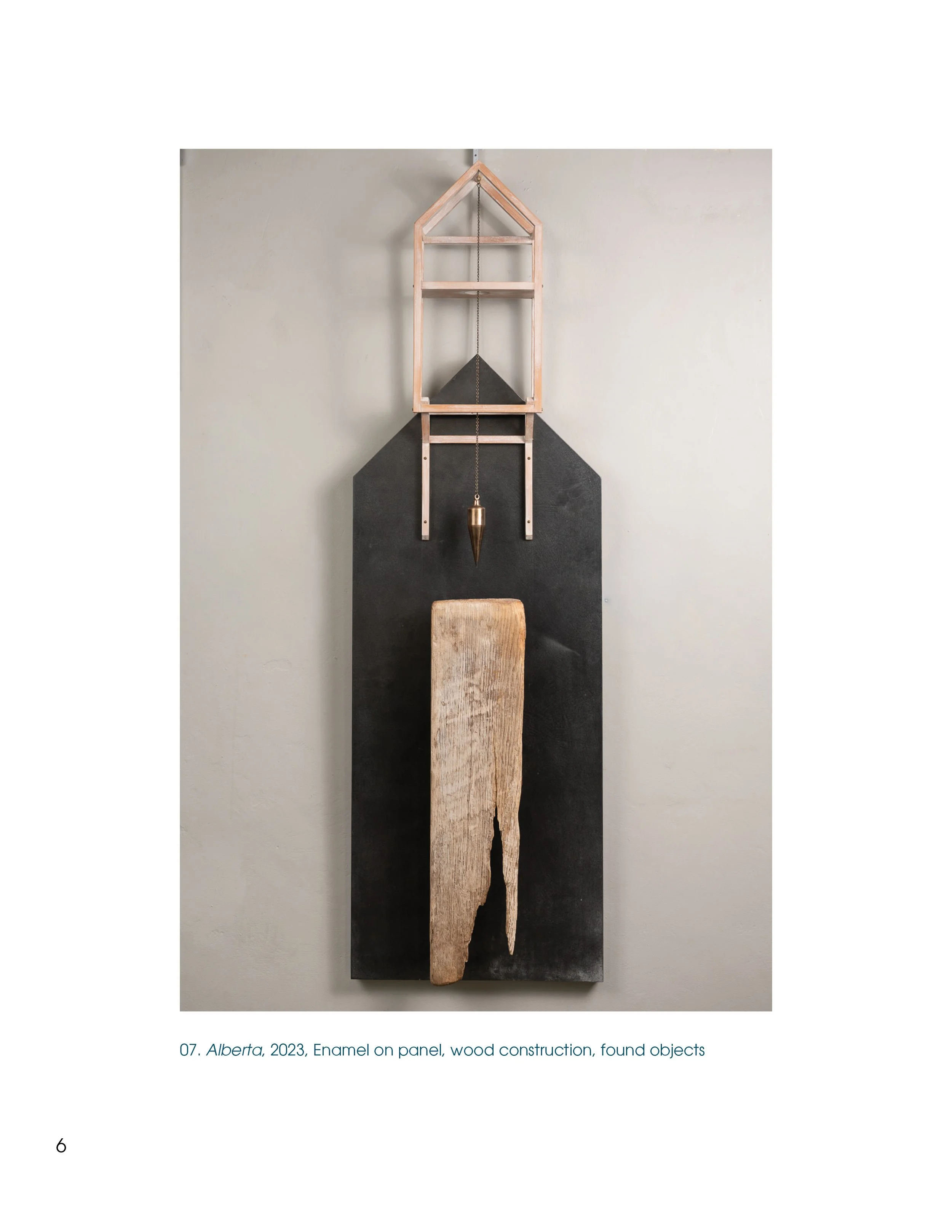
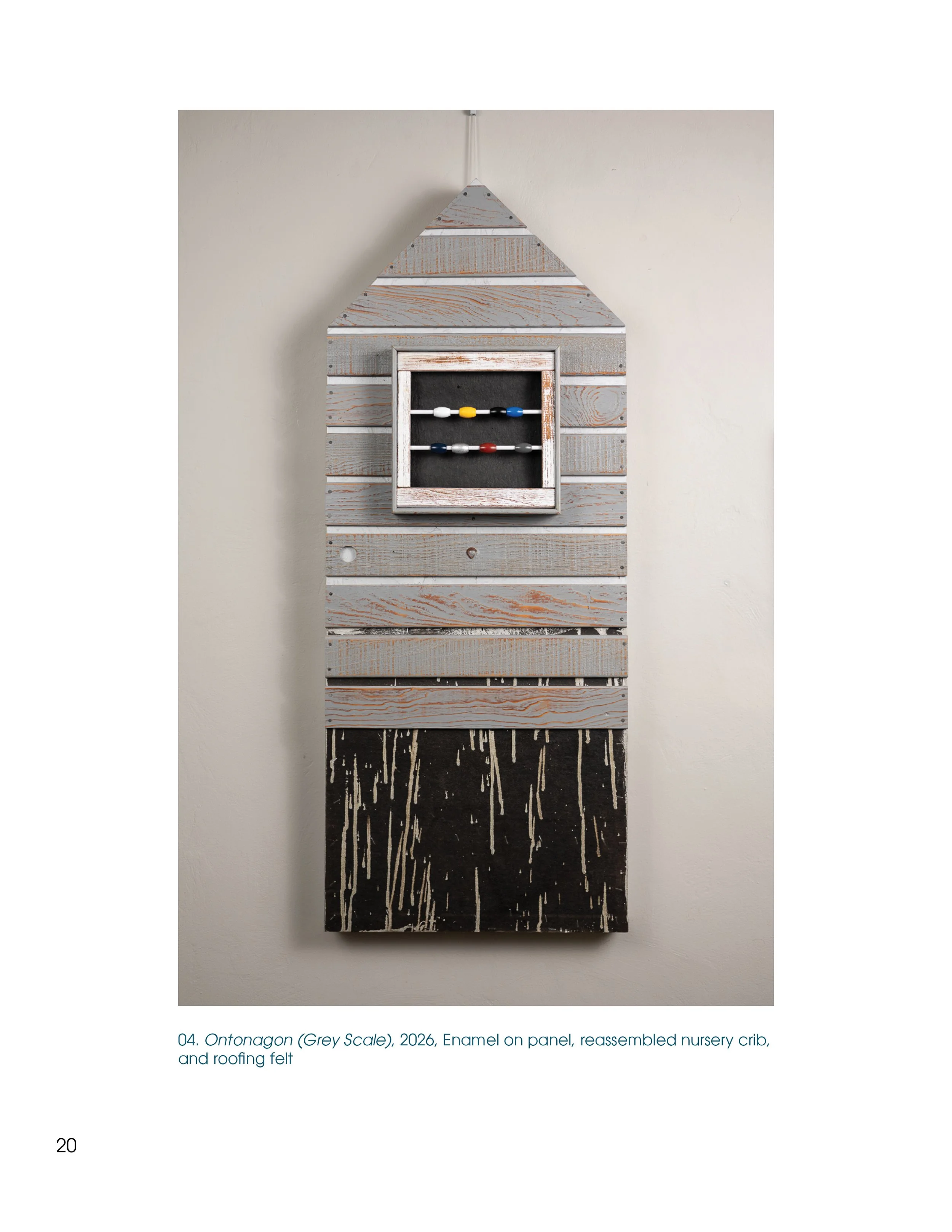
Cam Anderson’s imagination helped him see the beauty in a cast off railroad tie. He saw how to fashion it into a plinth to hold an elegant sculpture. The outline of a building in three dimensions could be a house or a church, with a large brass orb that gently swings back and forth over a flat, dark rock, the heavenly coming tantalizing close to earth. As we look, we might ponder the intimacy of a God who fashioned the tiniest of creatures that crawl in and along the earth. We might sense the boundary-less nature of this mighty God who stretched galaxies farther and deeper than we can ever hope to see. We might get a glimpse of our own predicament, sojourners along a wandering way, making homes here where God places us and yet longing for more; to be close to the One who knows every star and every grain of sand, and every single one of us.
We long for a home that God makes now; a kingdom, a new heavens and new earth where we will exist in resurrected bodies that no longer experience pain, decay, loss. Where God Almighty, who spun the planets and tenderly shaped butterflies will wipe every tear from our eyes and say, welcome home.
Until then, as we long for home and we make our home here, in this place, we find beauty in the making. Cam Anderson’s work invites us to ponder what elements along our way make visible our desire for home, for God, for each other. His work slows us down to consider, if not the lilies, then the pines, the rocks, and the odd tidbits of creation (both human and otherwise) that cross our path. He makes space for us to imagine, to see ourselves as makers who can lean into our longing for resurrection while still creating good things here. These assemblages, with their abstract shapes and familiar textures help us to ponder what it means to exist in the now and the not yet, trusting God, who makes all things visible and invisible, and who is making all things new.
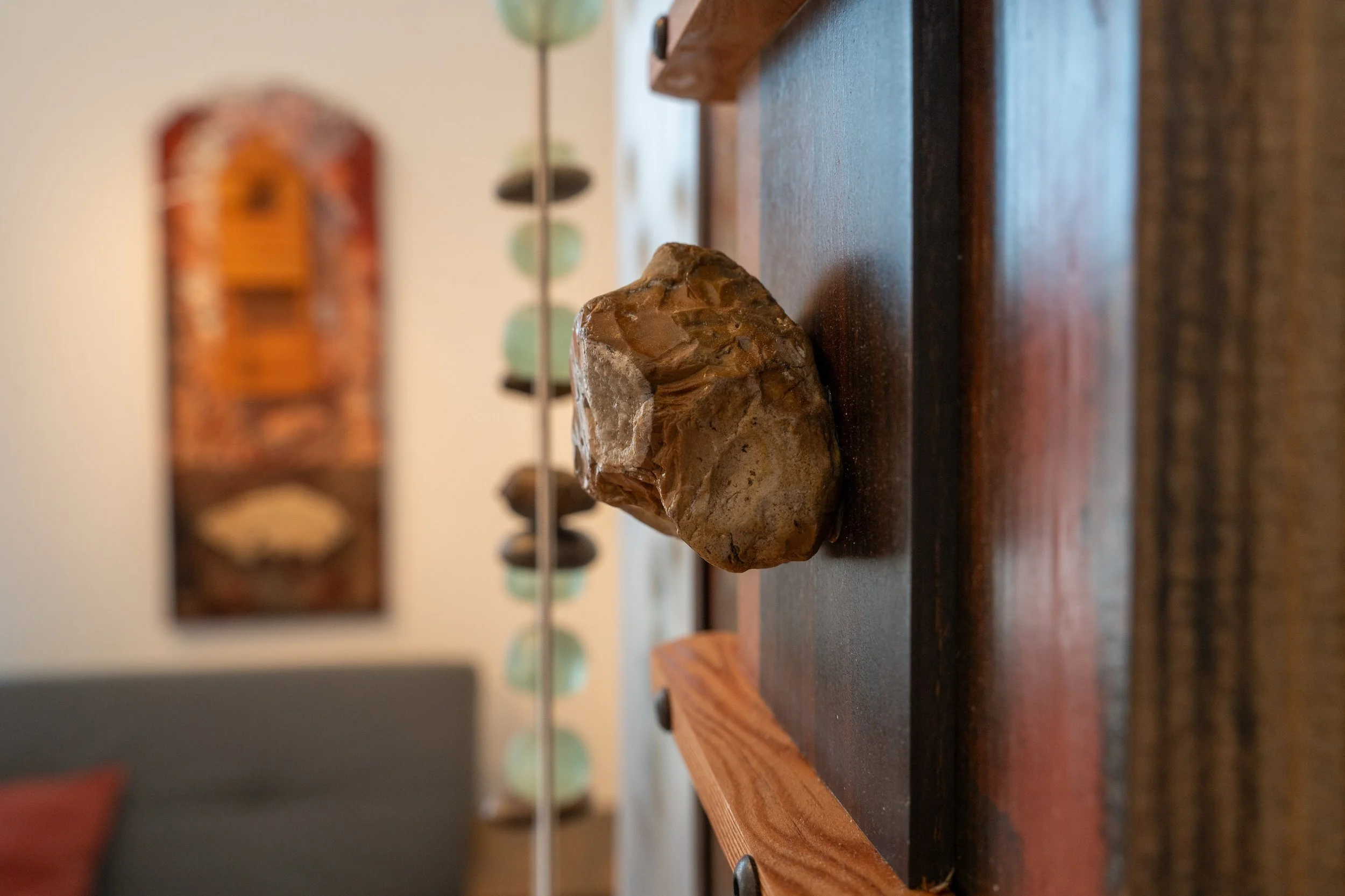
IN THE GALLERY
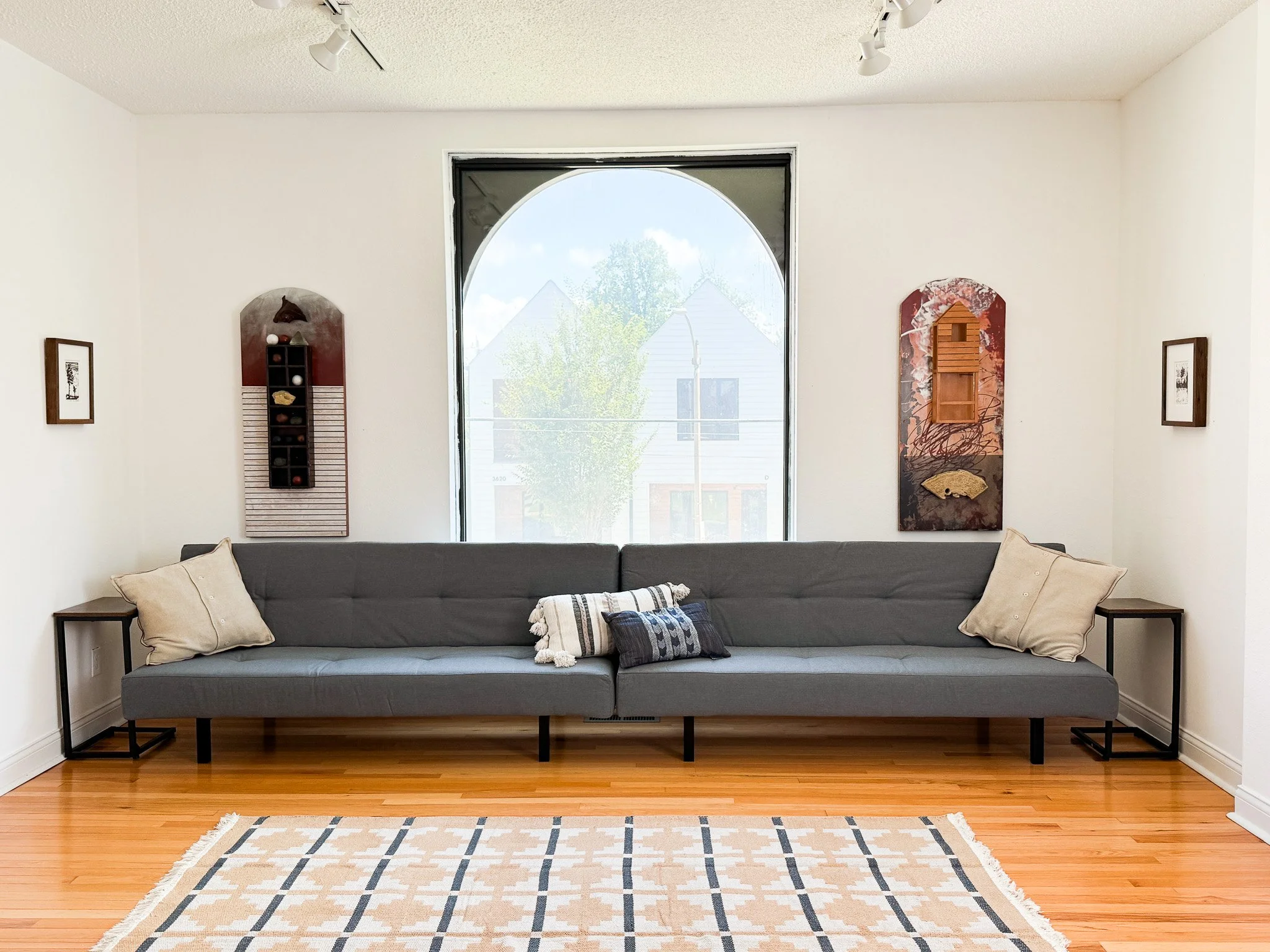
Photo courtesy M. Kenyon
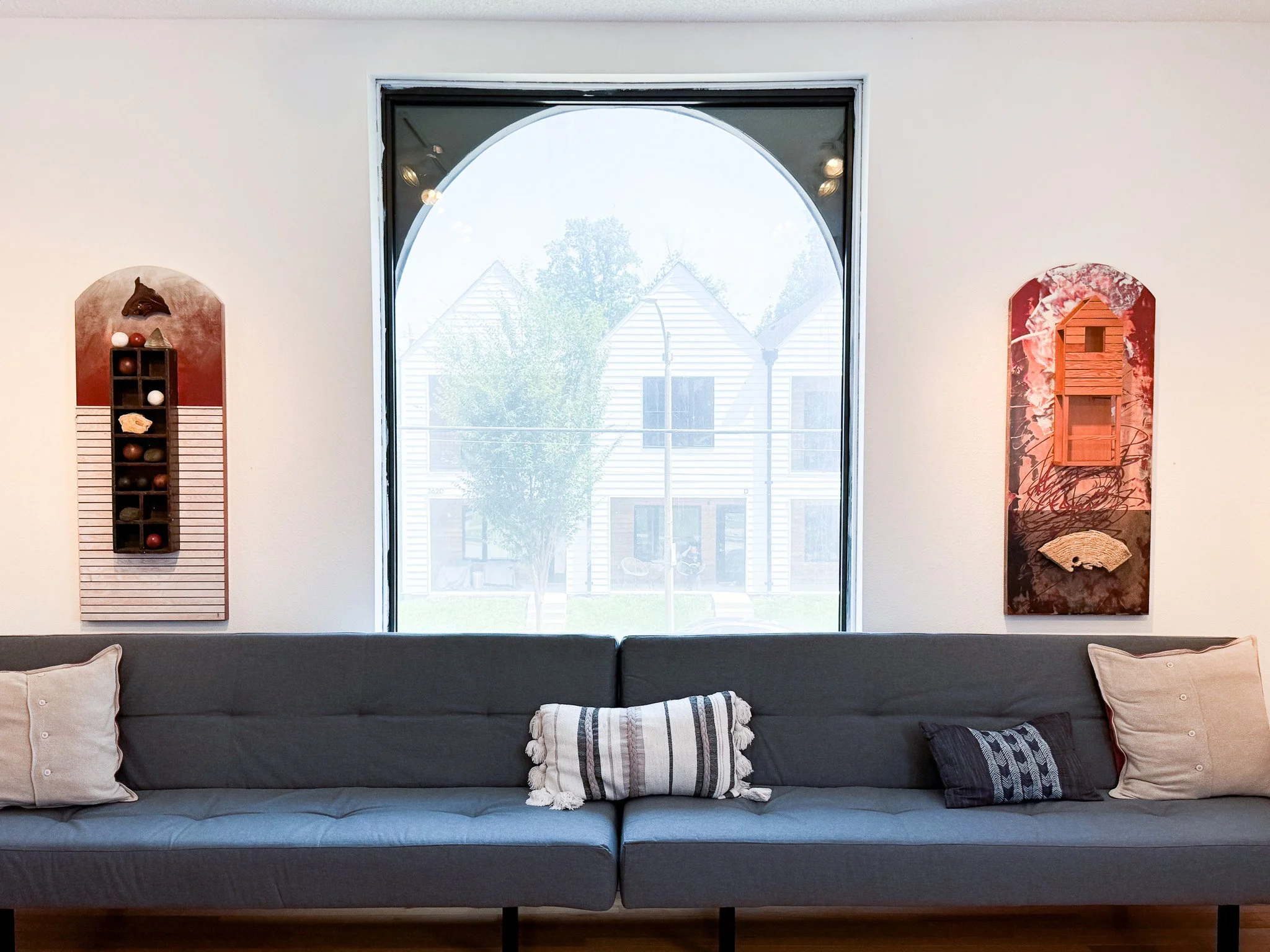
Photo courtesy of M. Kenyon
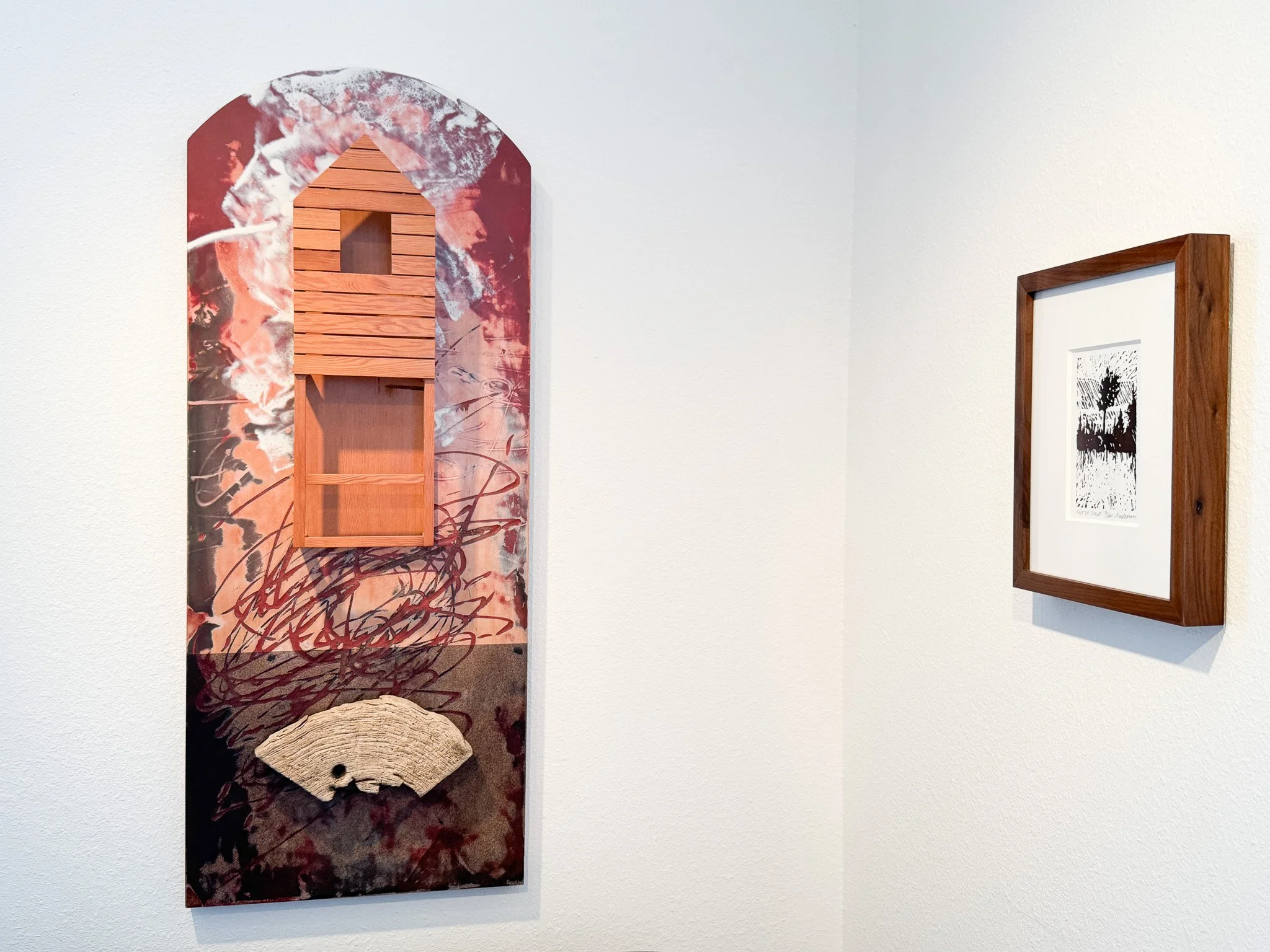
Photo courtesy of M. Kenyon
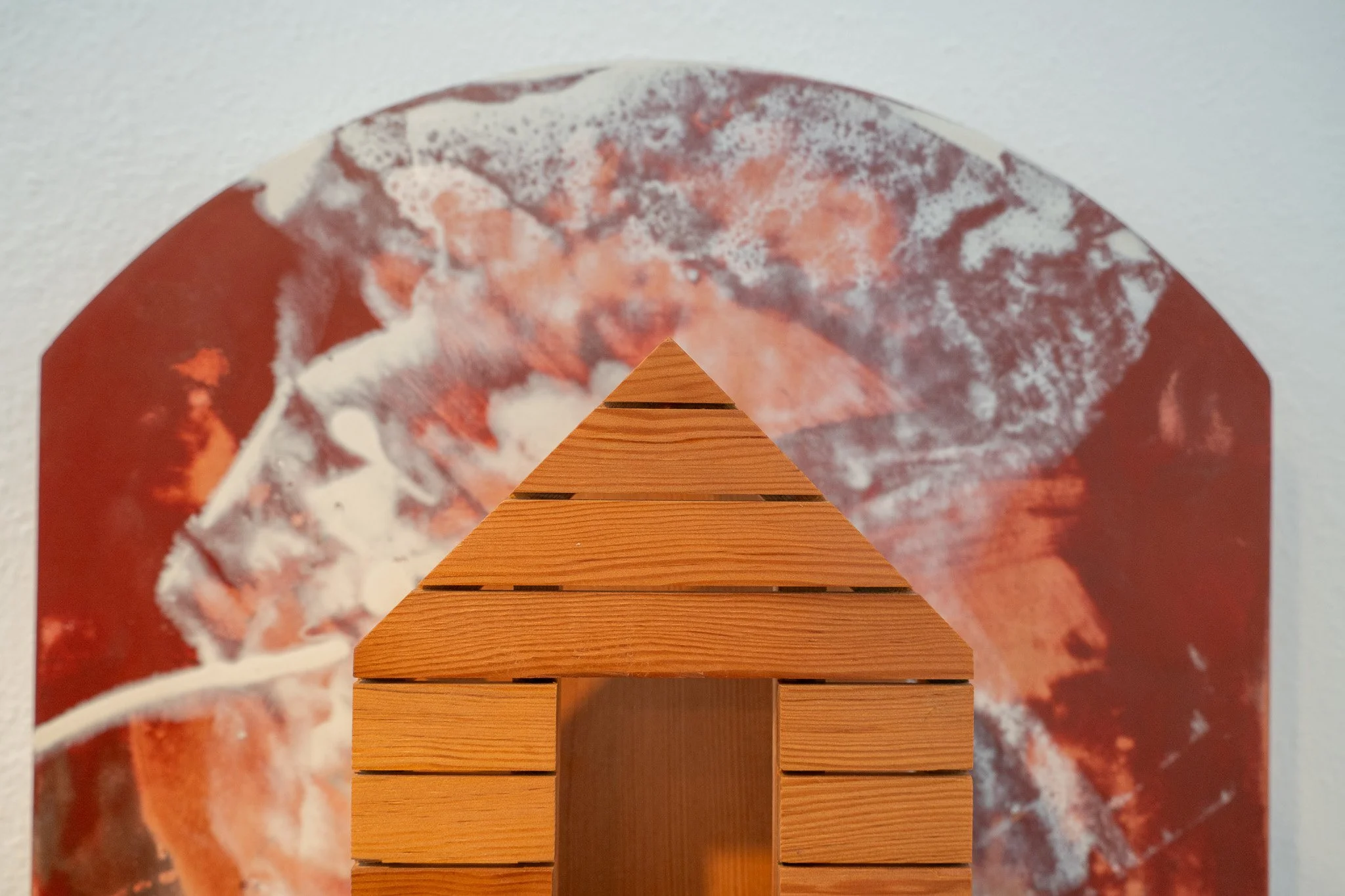
Meeting House, Cameron Anderson, 2023 detail, photo courtesy of Kati Q. Gaschler
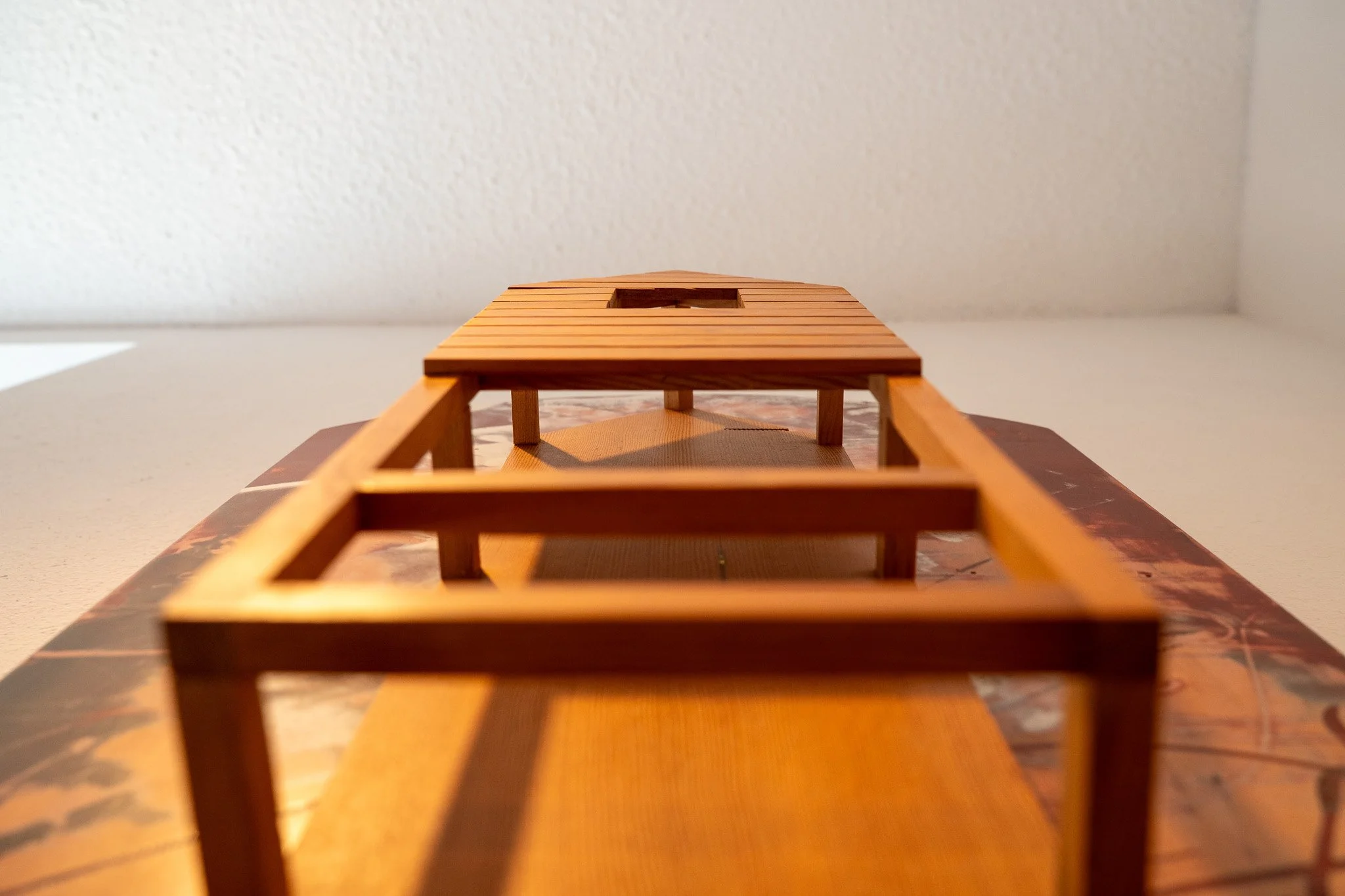
Meeting House, Cameron Anderson, 2023 detail, photo courtesy of Kati Q. Gaschler
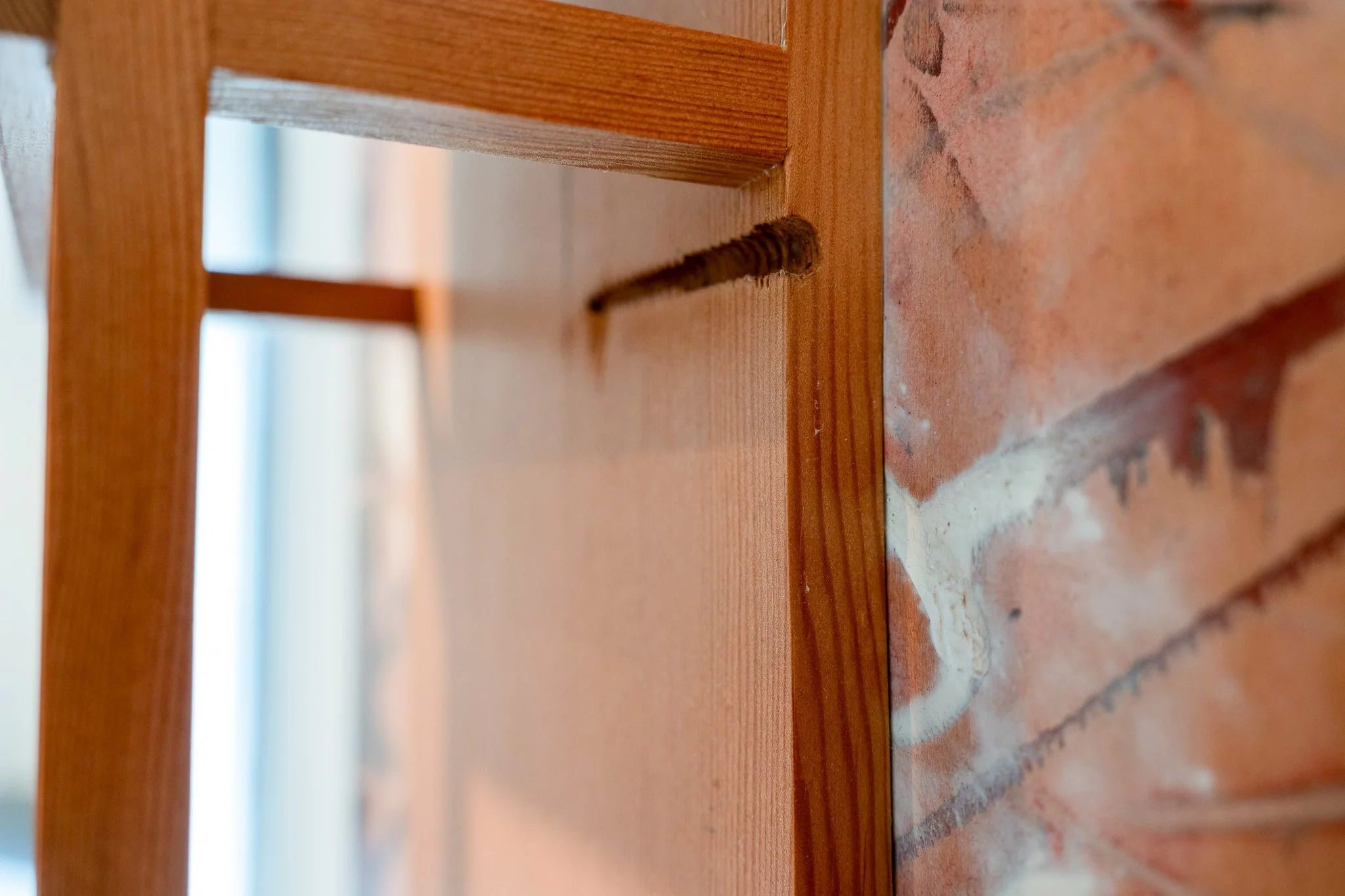
Meeting House, Cameron Anderson, 2023 detail, photo courtesy of Kati Q. Gaschler
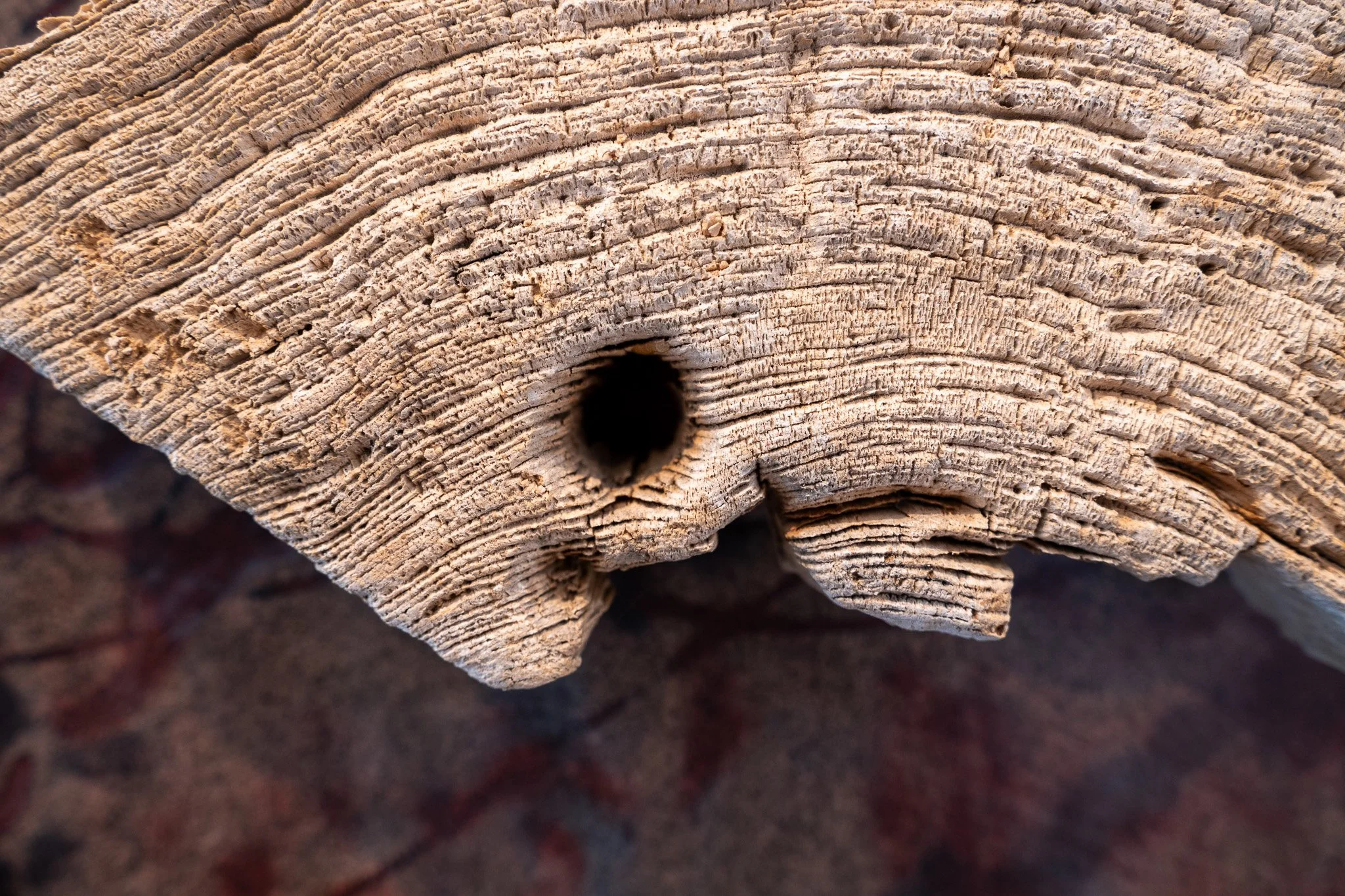
Meeting House, Cameron Anderson, 2023 detail, photo courtesy of Kati Q. Gaschler
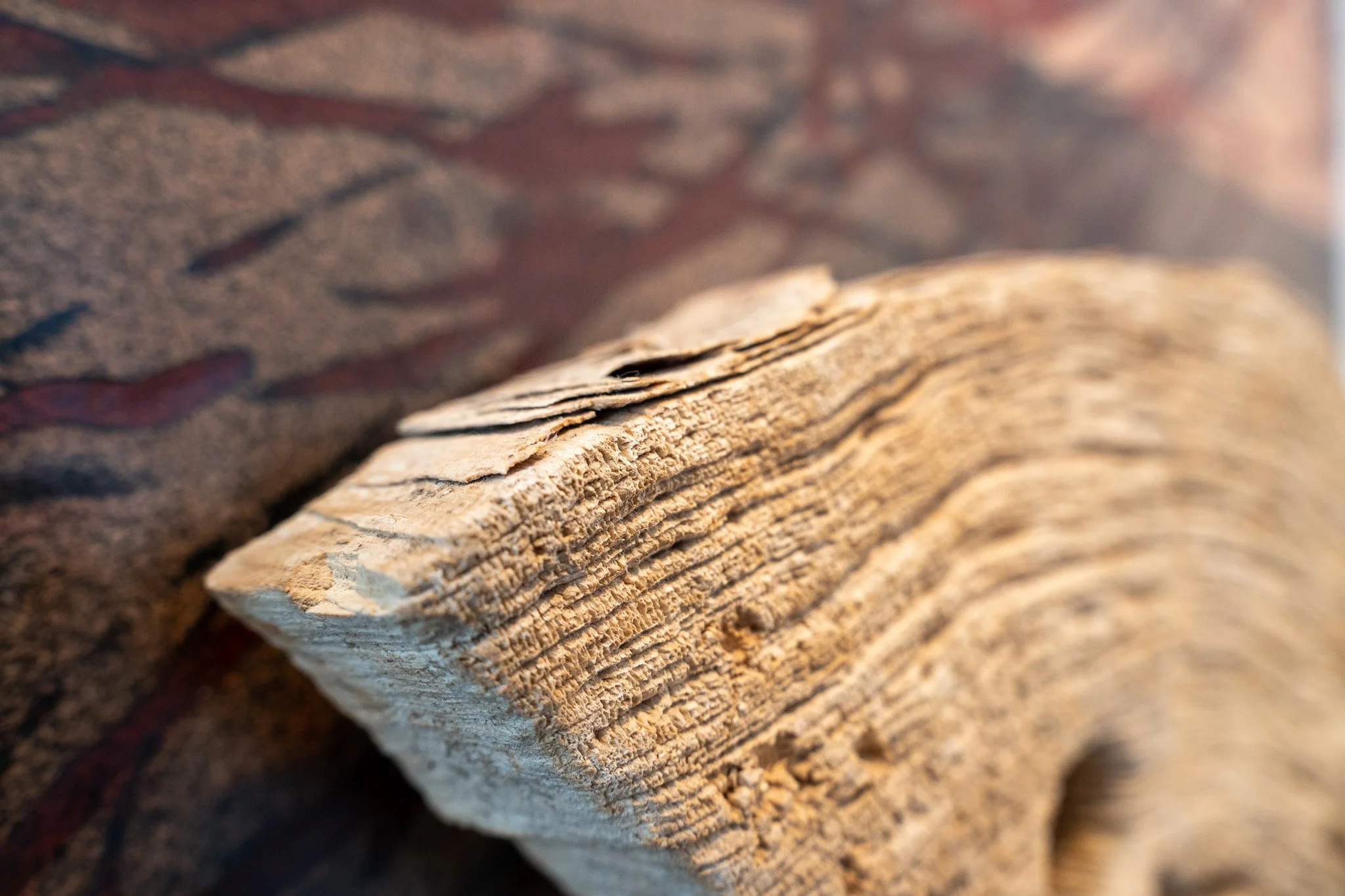
Meeting House, Cameron Anderson, 2023 detail, photo courtesy of Kati Q. Gaschler
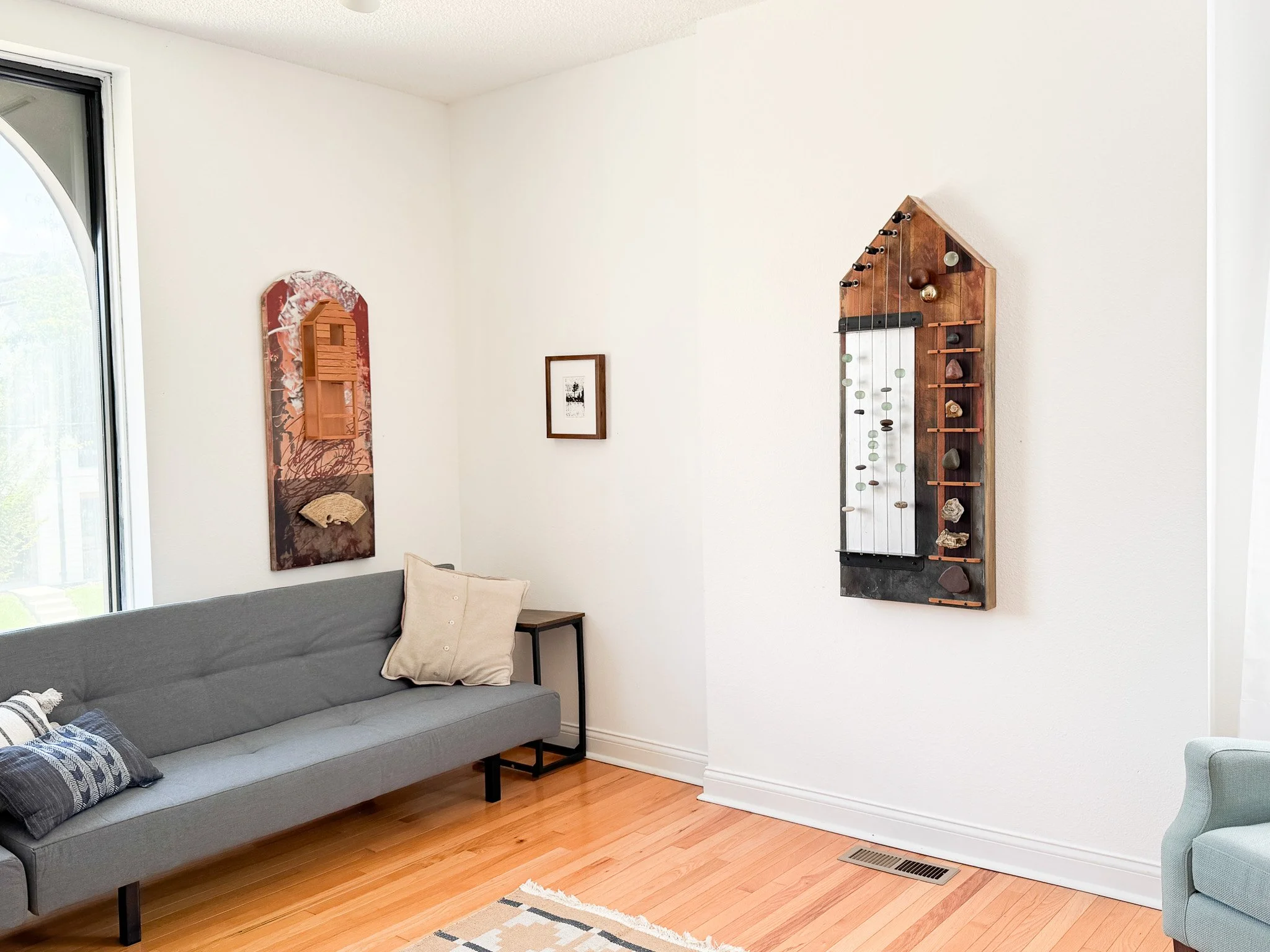
Photo courtesy of Kati Q. Gaschler
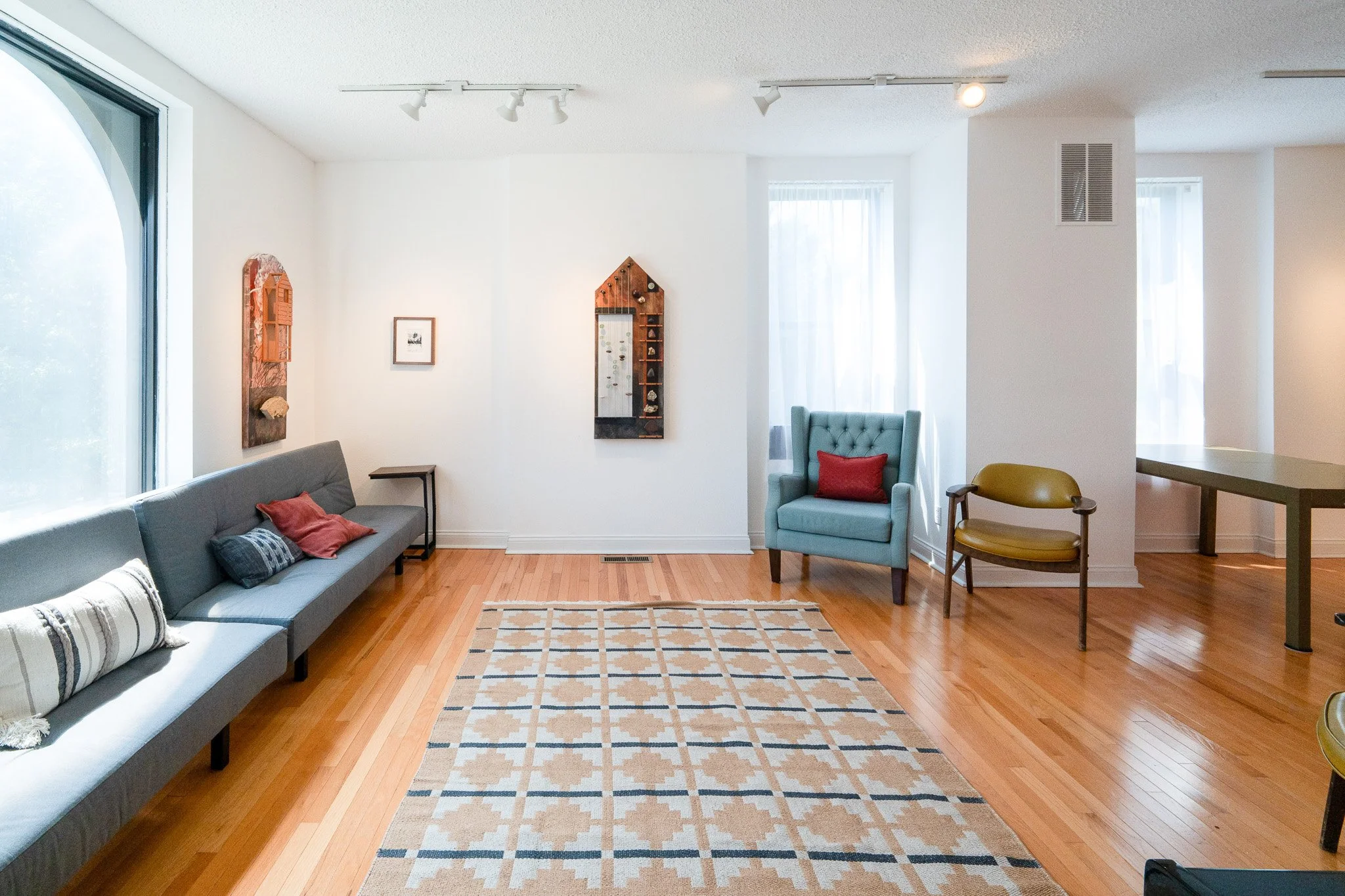
Photo courtesy of Kati Q. Gaschler
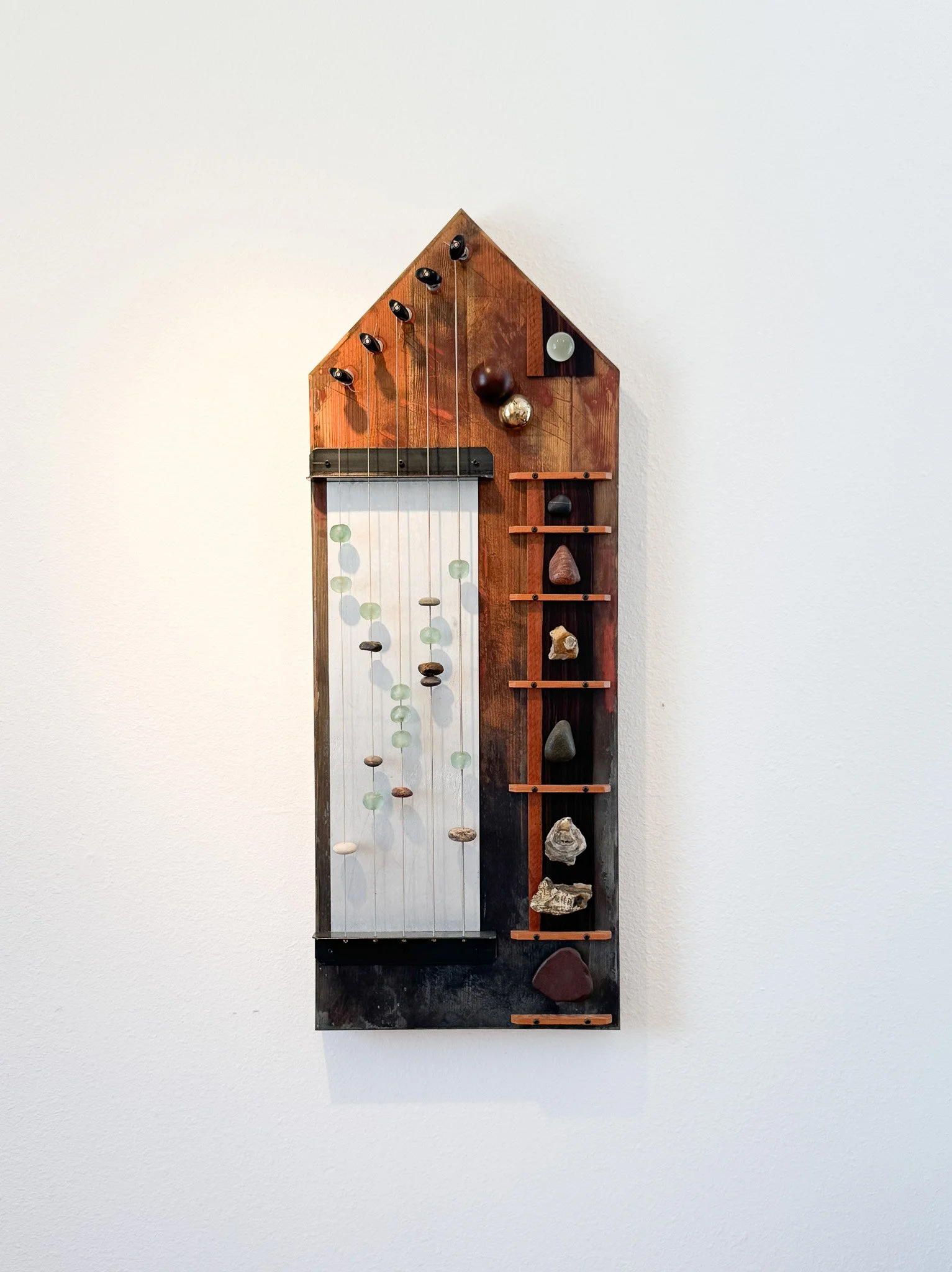
The Glass Bead Game, Cameron Anderson, 2025. Photo courtesy of Kati Q. Gaschler
The Glass Bead Game (detail), Cameron Anderson, 2025. Photo courtesy of Kati Q. Gaschler
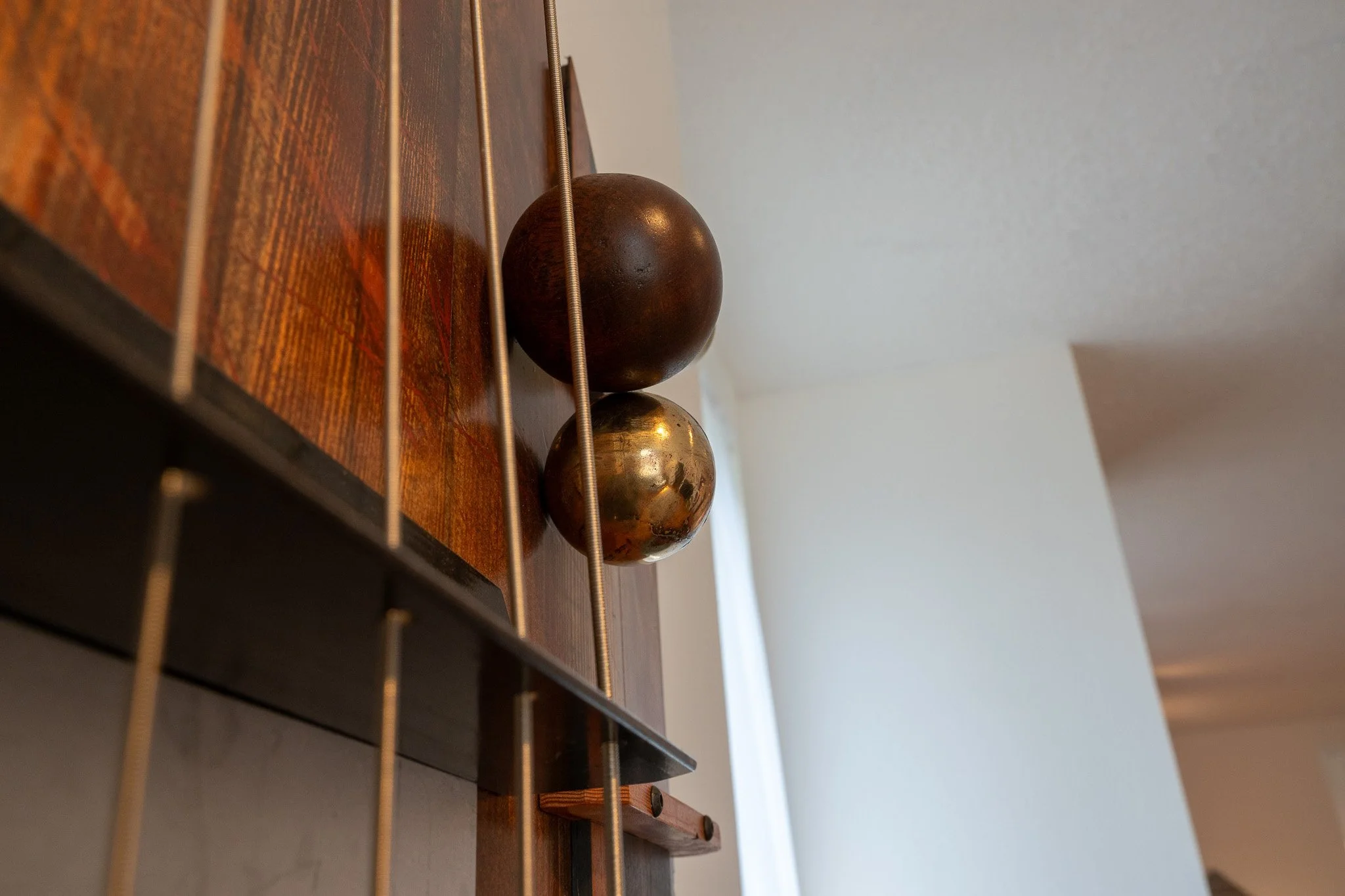
The Glass Bead Game (detail), Cameron Anderson, 2025. Photo courtesy of Kati Q. Gaschler
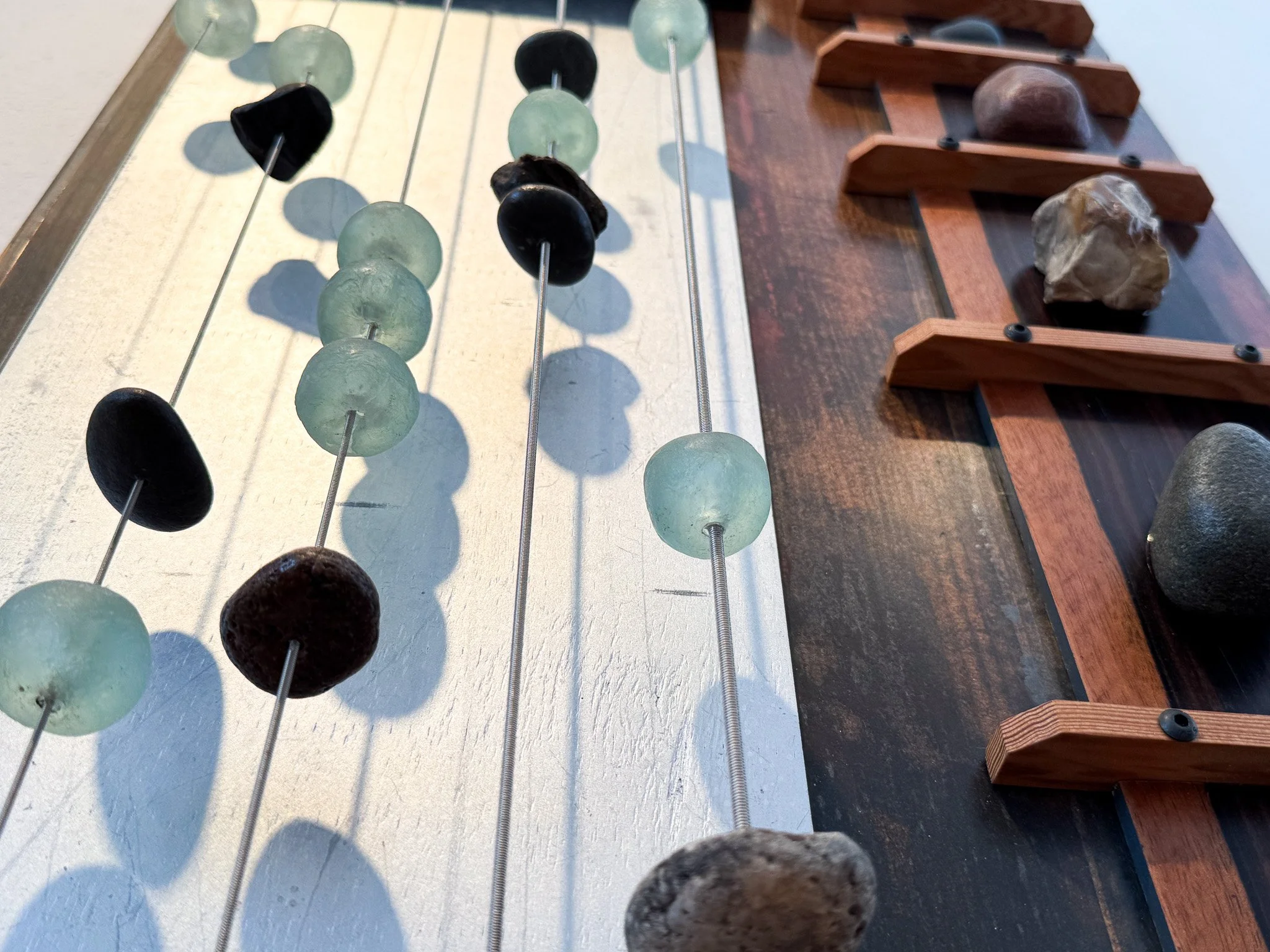
The Glass Bead Game (detail), Cameron Anderson, 2025. Photo courtesy of M. Kenyon
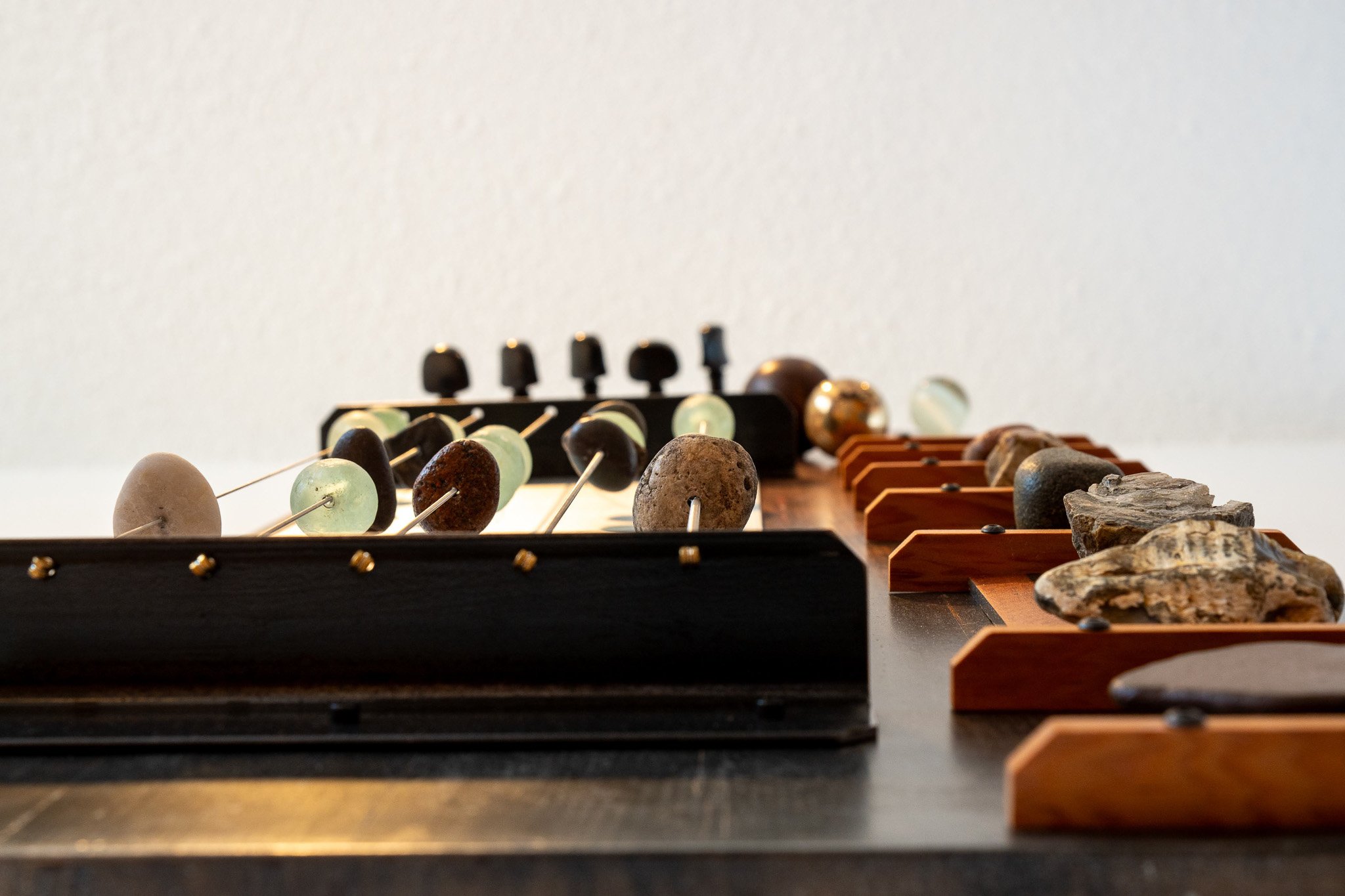
The Glass Bead Game (detail), Cameron Anderson, 2025. Photo courtesy of Kati Q. Gaschler
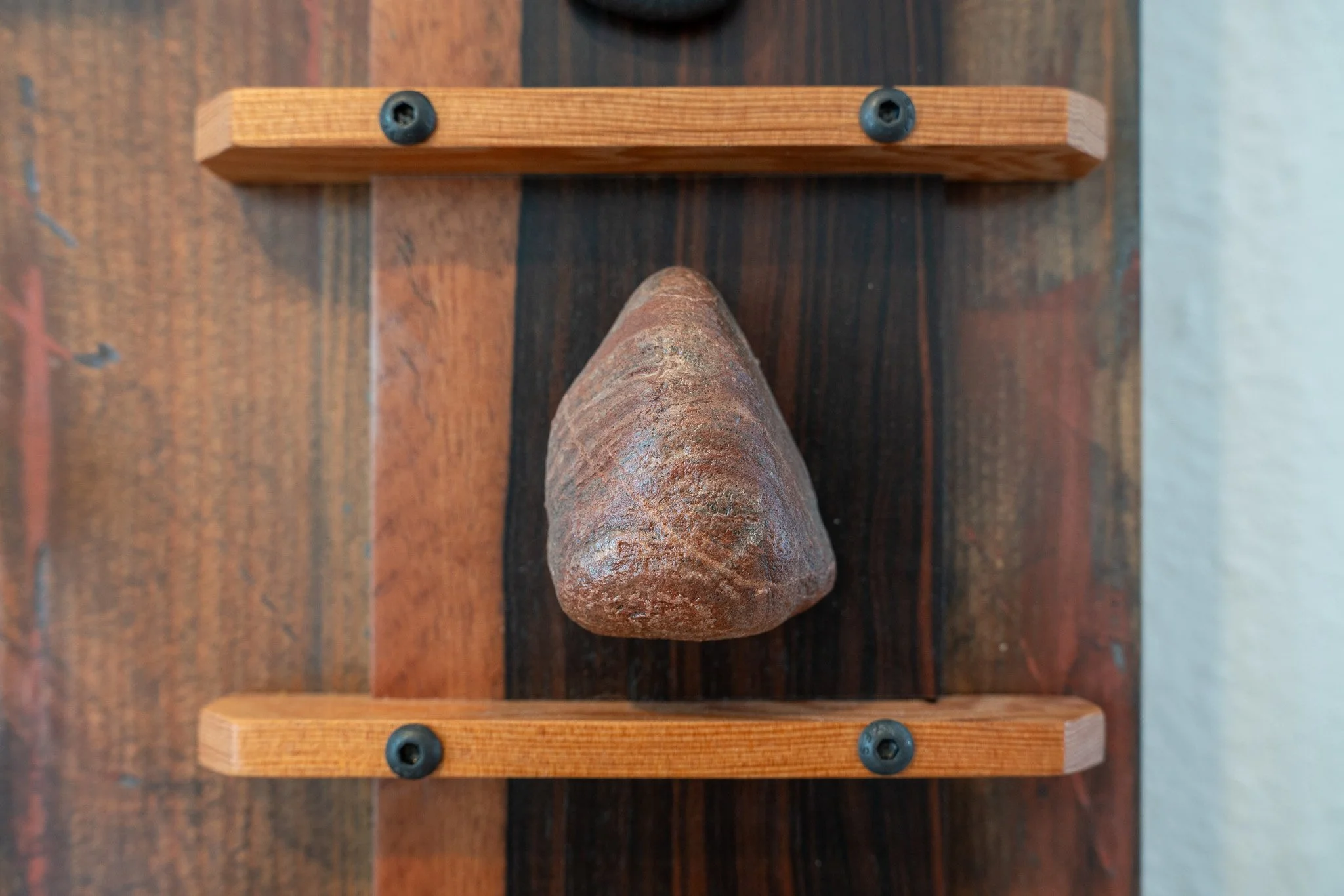
The Glass Bead Game (detail), Cameron Anderson, 2025. Photo courtesy of Kati Q. Gaschler
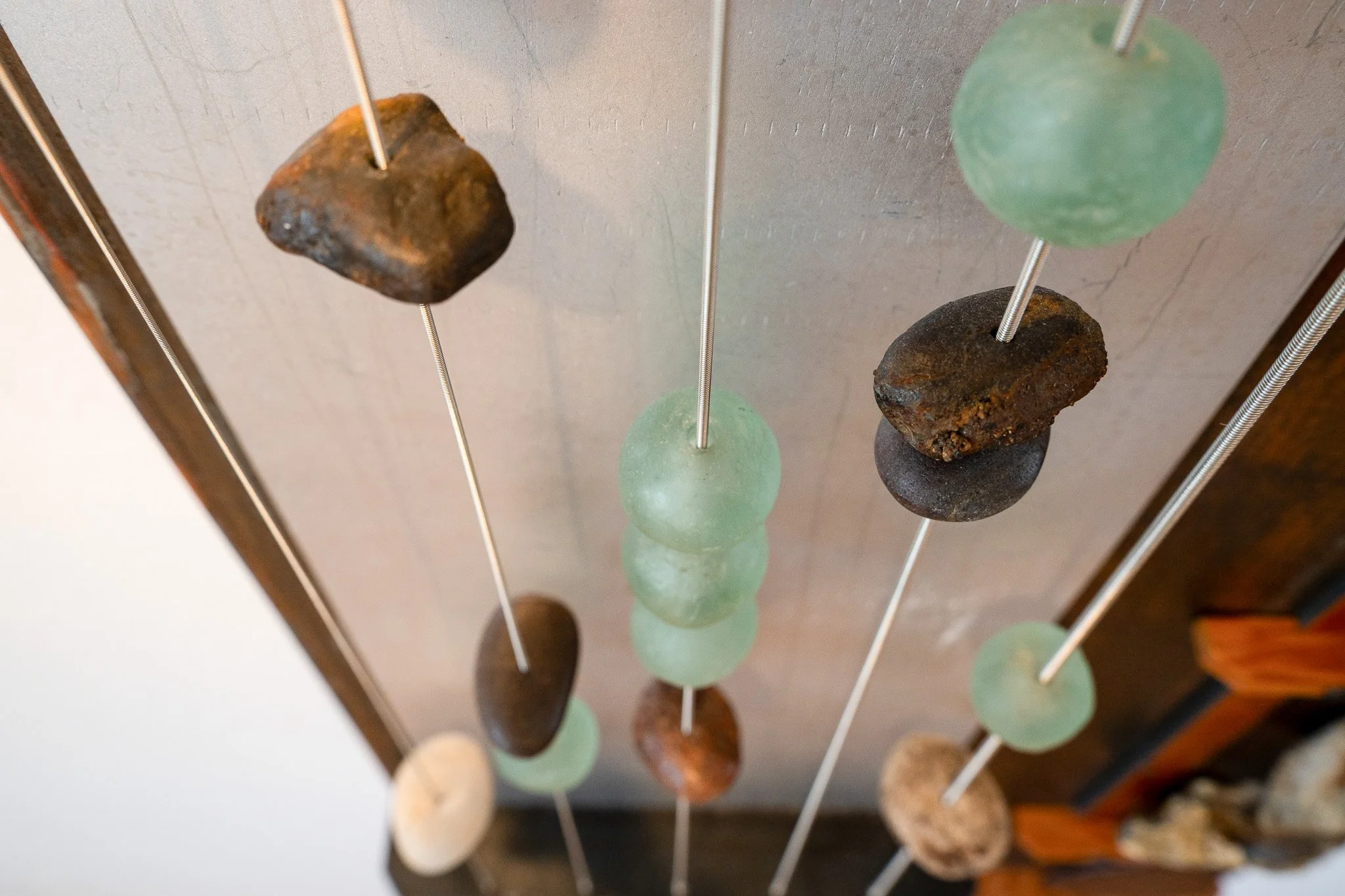
The Glass Bead Game (detail), Cameron Anderson, 2025. Photo courtesy of Kati Q. Gaschler
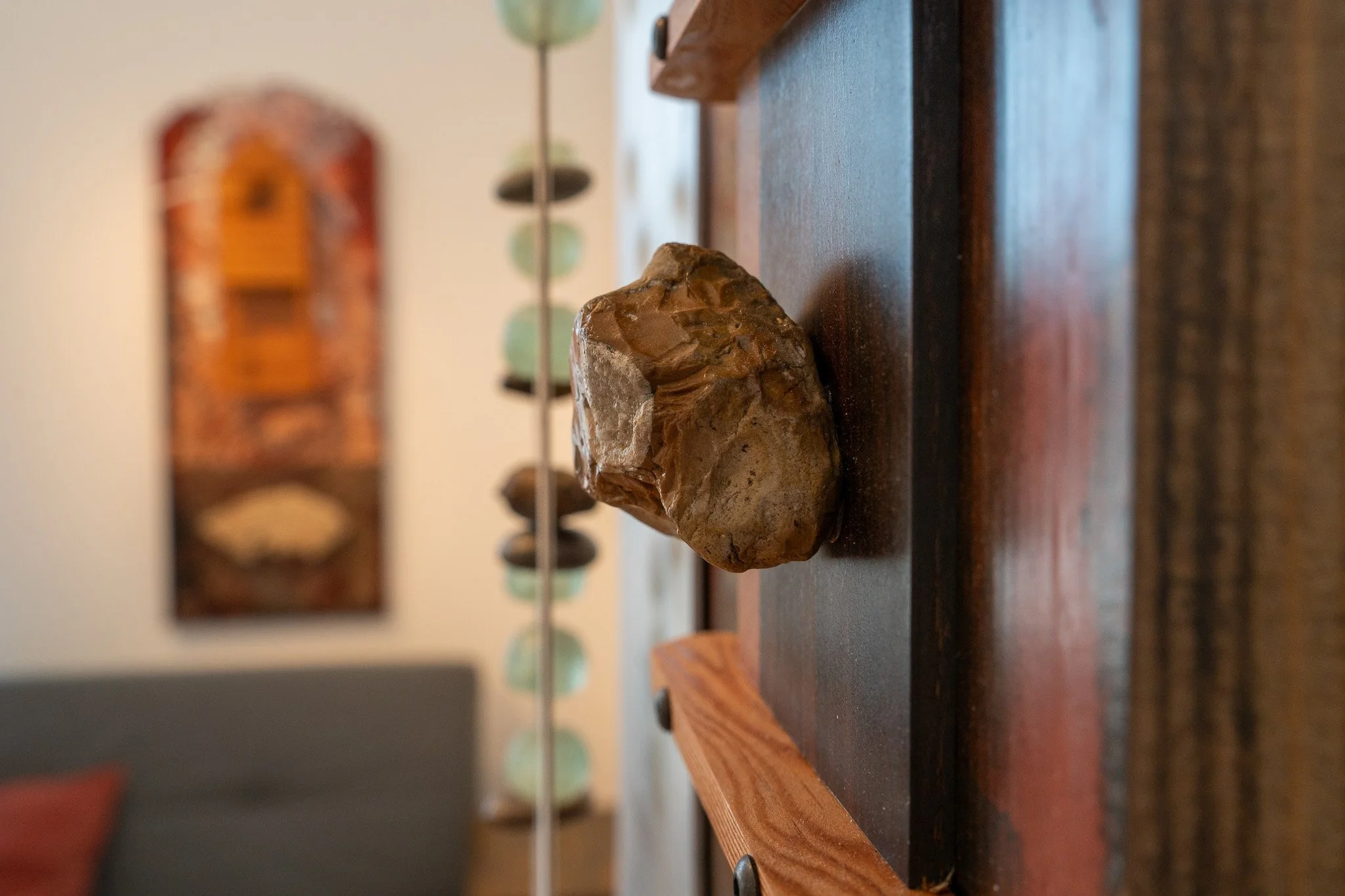
The Glass Bead Game (detail), Cameron Anderson, 2025. Photo courtesy of Kati Q. Gaschler
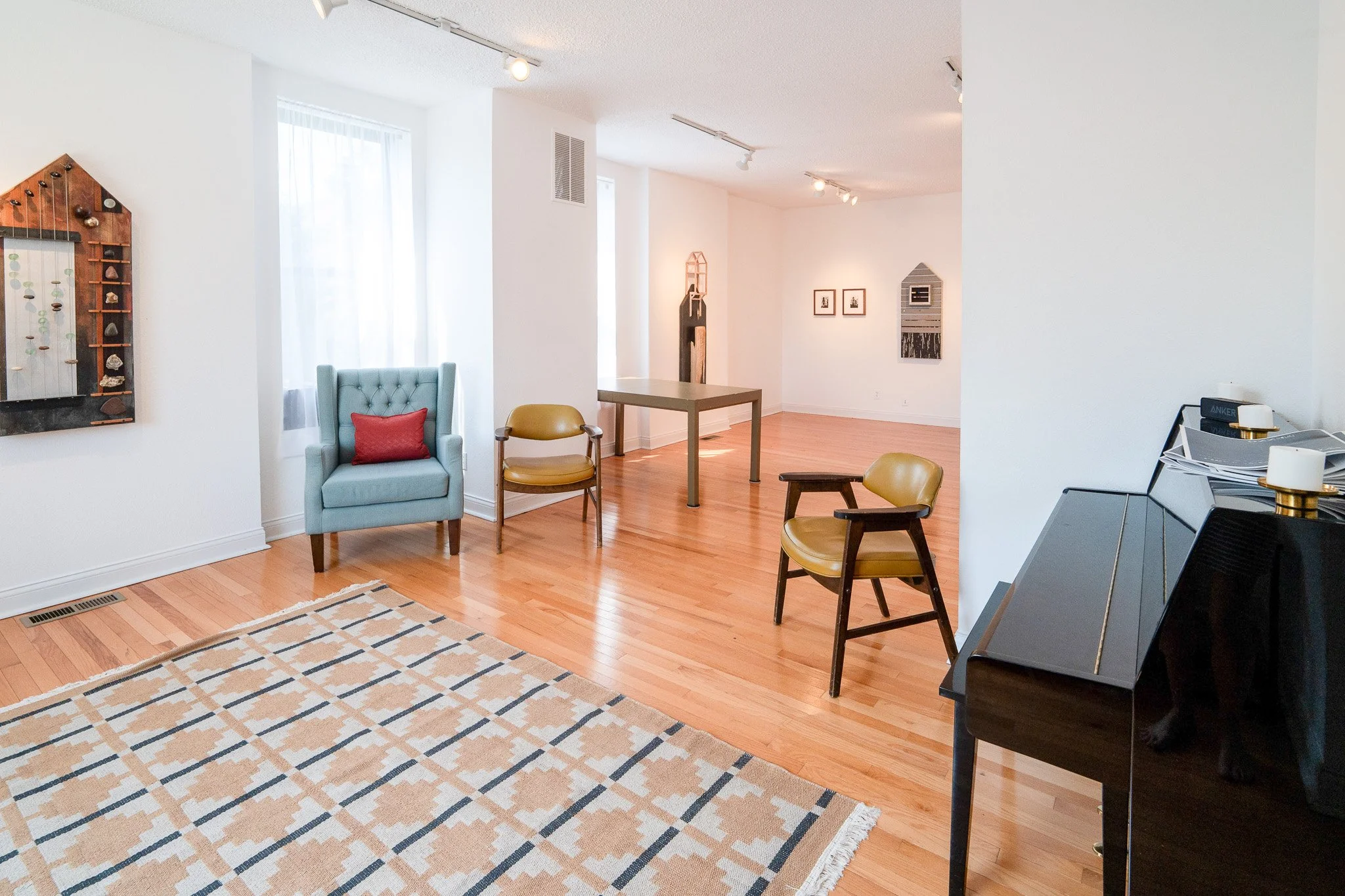
Photo courtesy of Kati Q. Gaschler
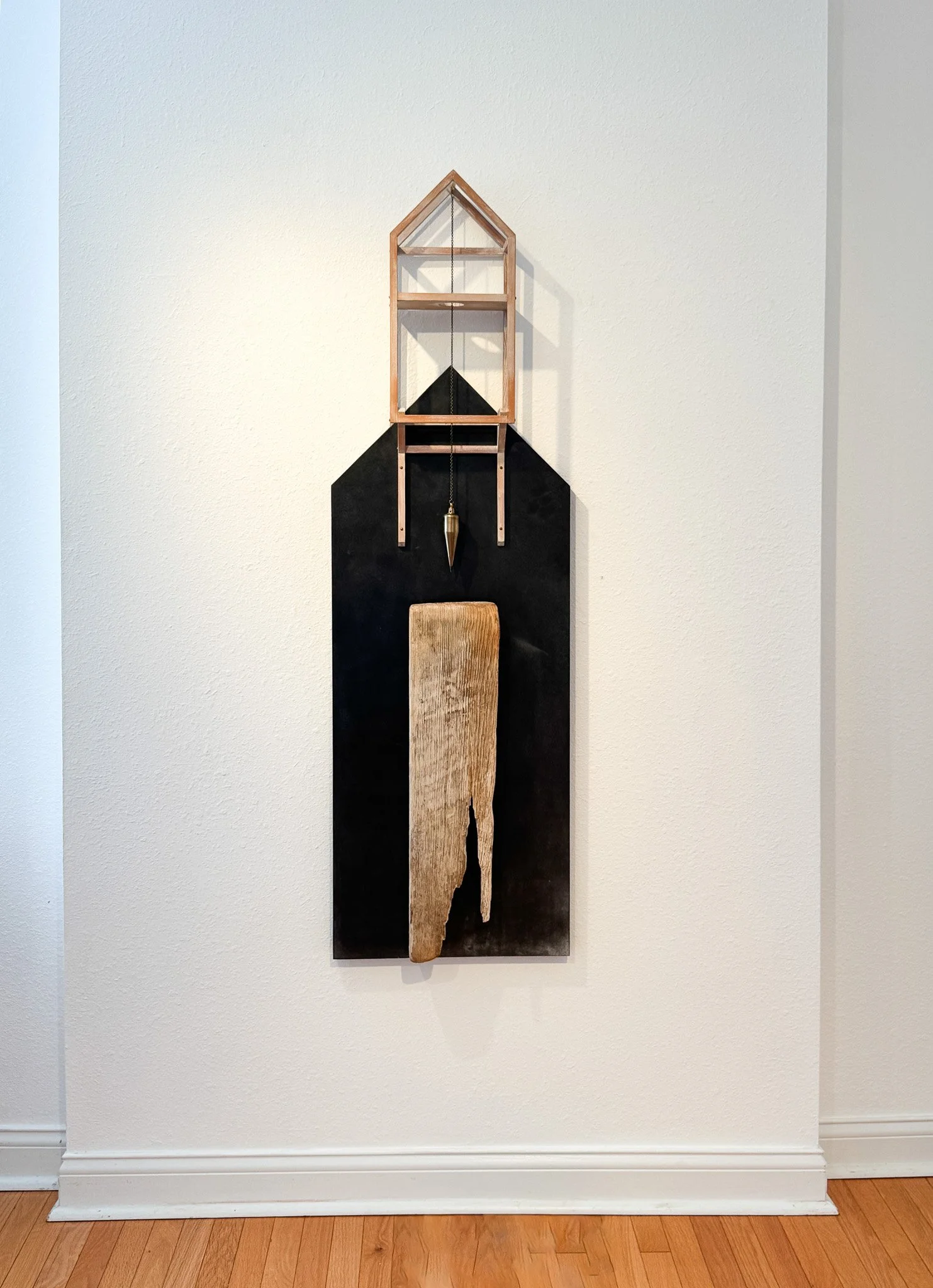
Alberta, Cameron Anderson, 2023. Photo courtesy of M. Kenyon
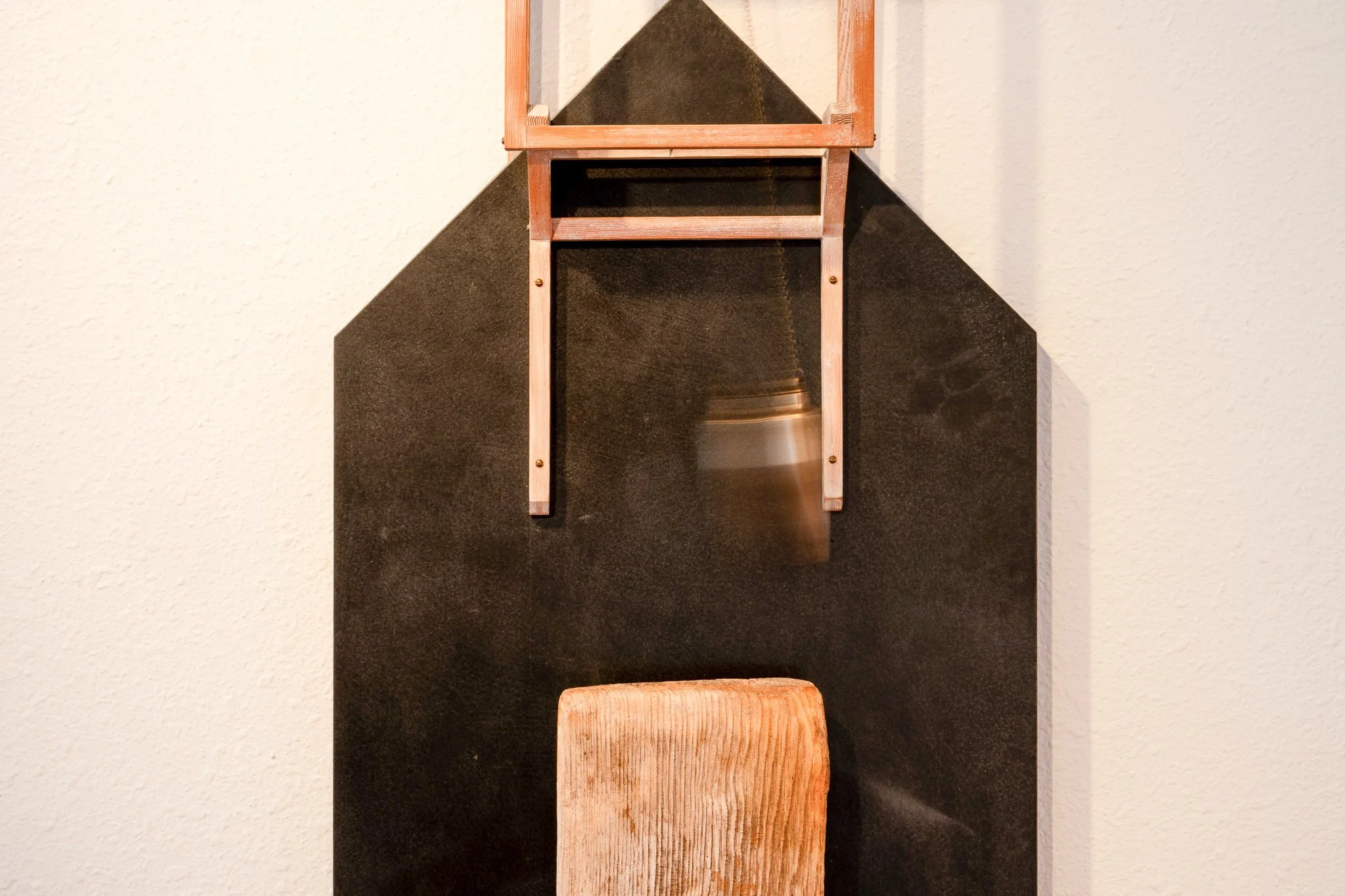
Alberta (detail), Cameron Anderson, 2023. Photo courtesy of Kati Q. Gaschler
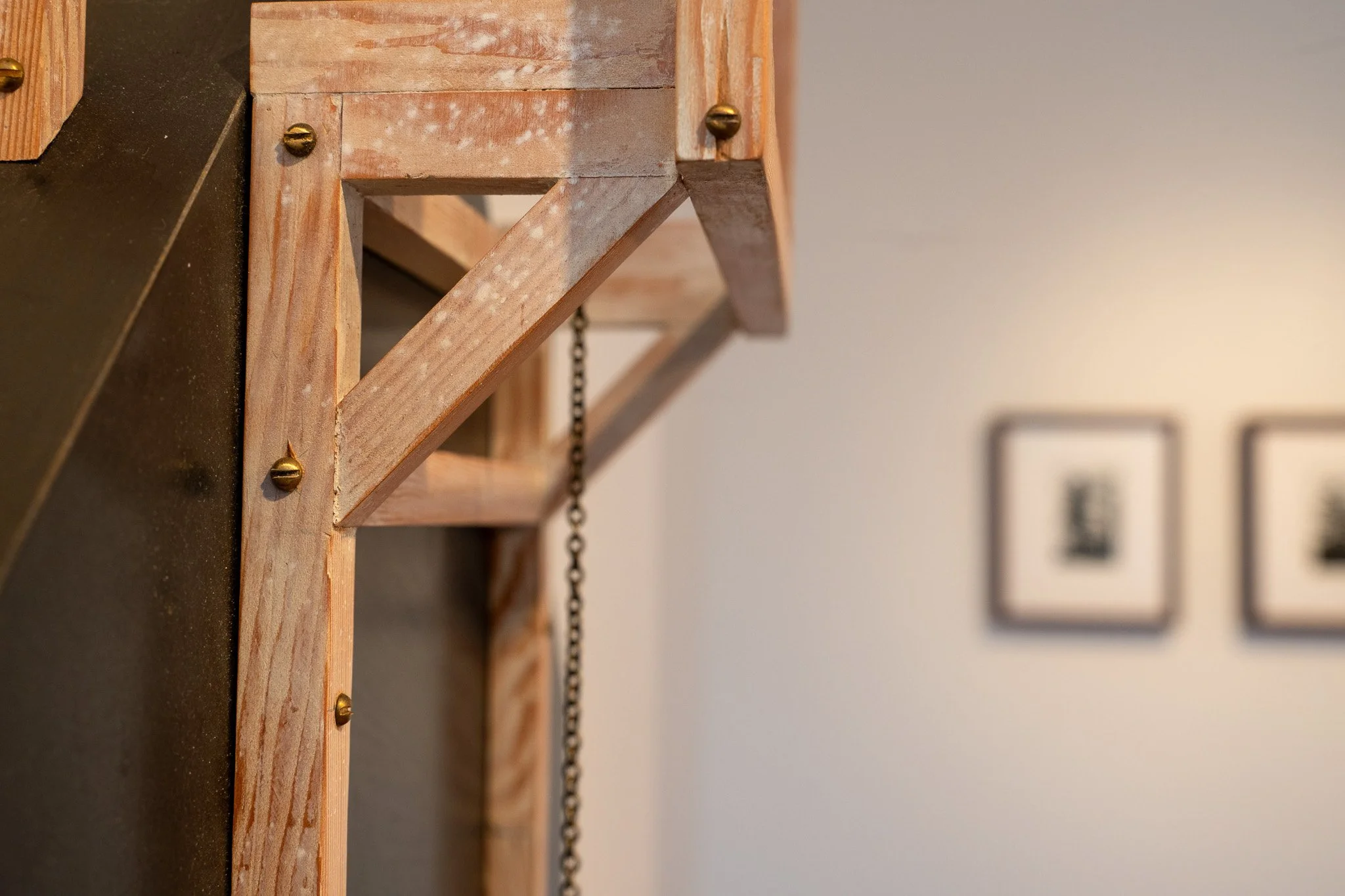
Alberta (detail), Cameron Anderson, 2023. Photo courtesy of Kati Q. Gaschler
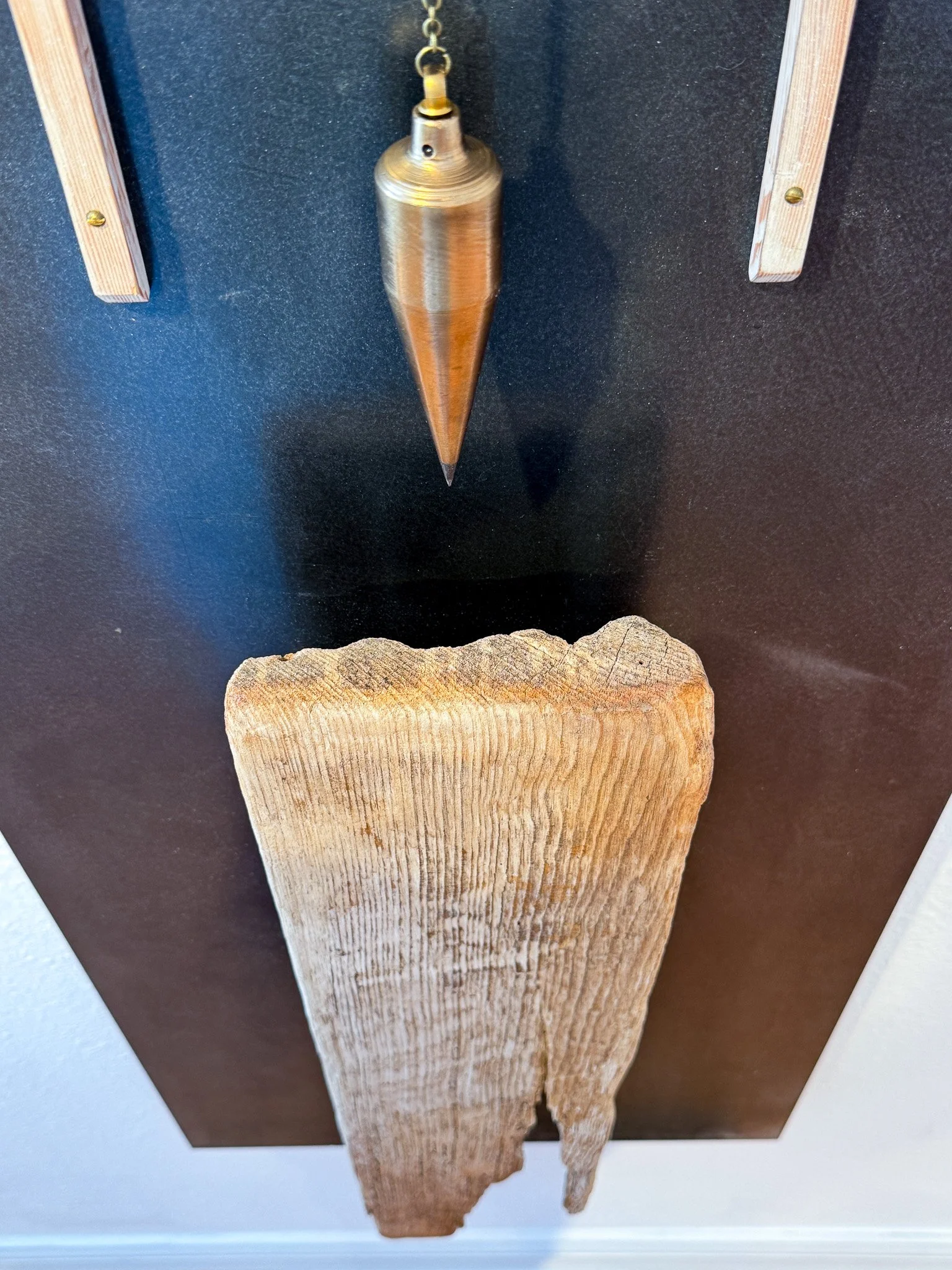
Alberta (detail), Cameron Anderson, 2023. Photo courtesy of M. Kenyon
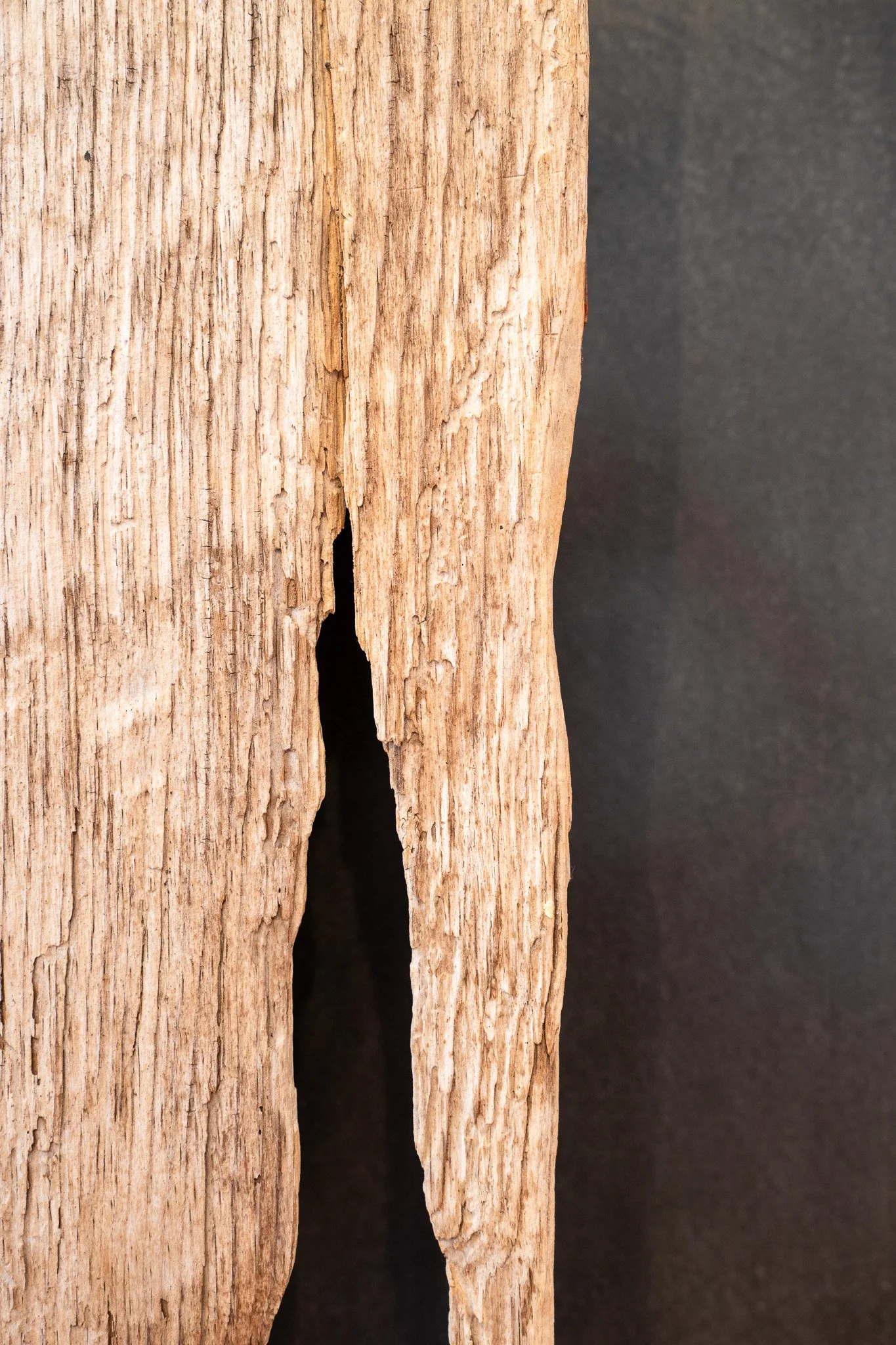
Alberta (detail), Cameron Anderson, 2023. Photo courtesy of Kati Q. Gaschler
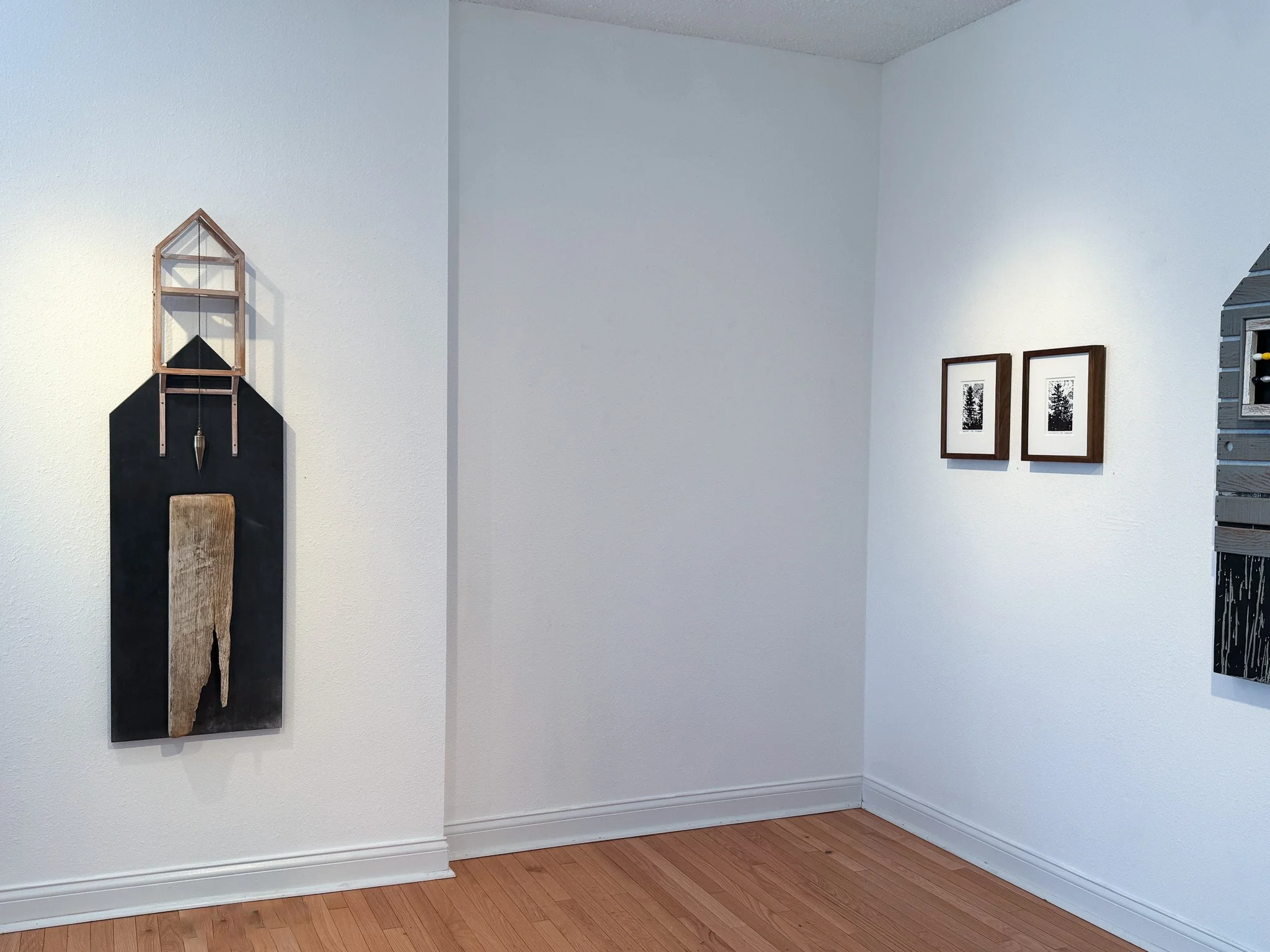
Photo courtesy of M. Kenyon
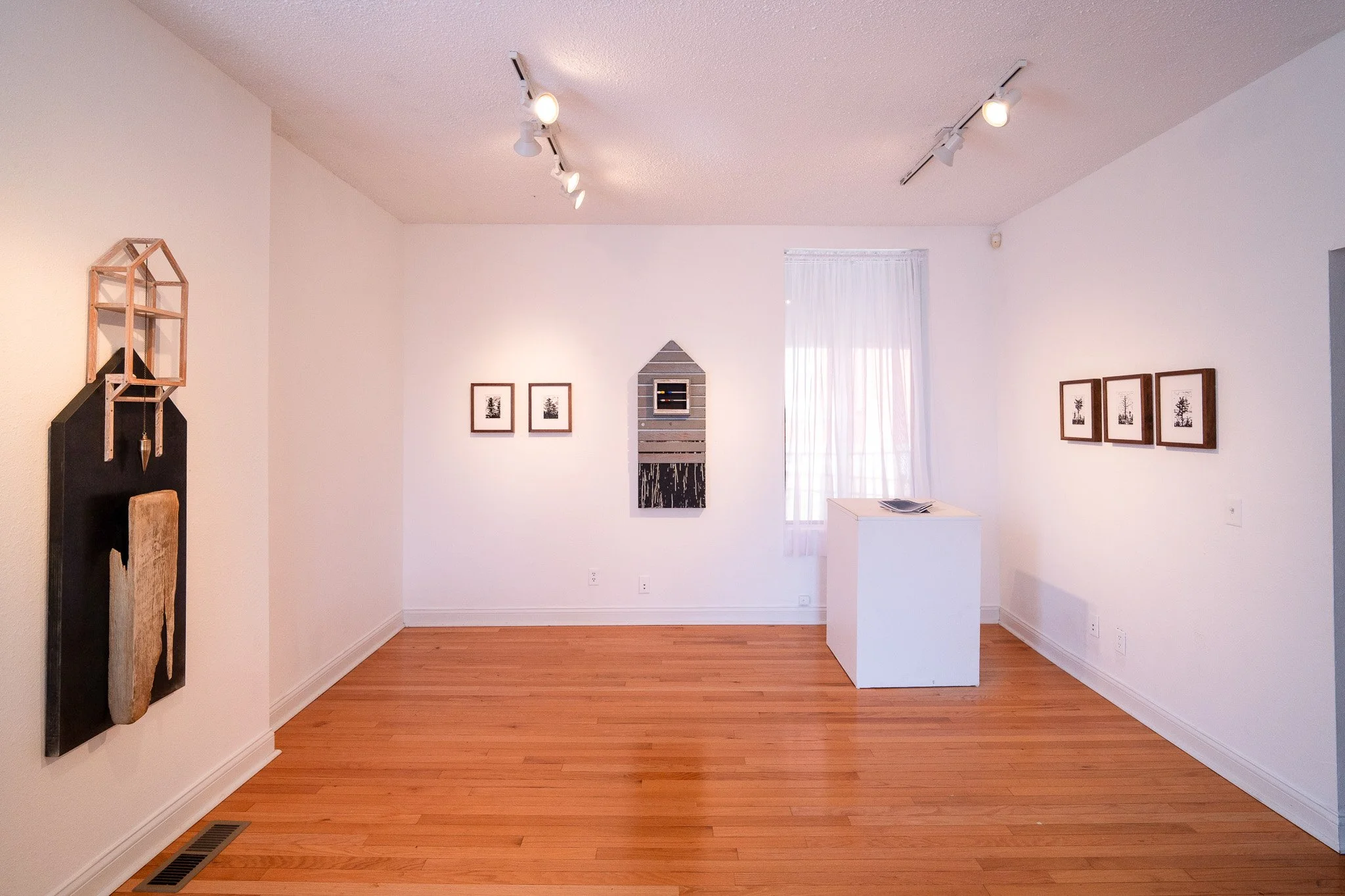
Photo courtesy of Kati Q. Gaschler
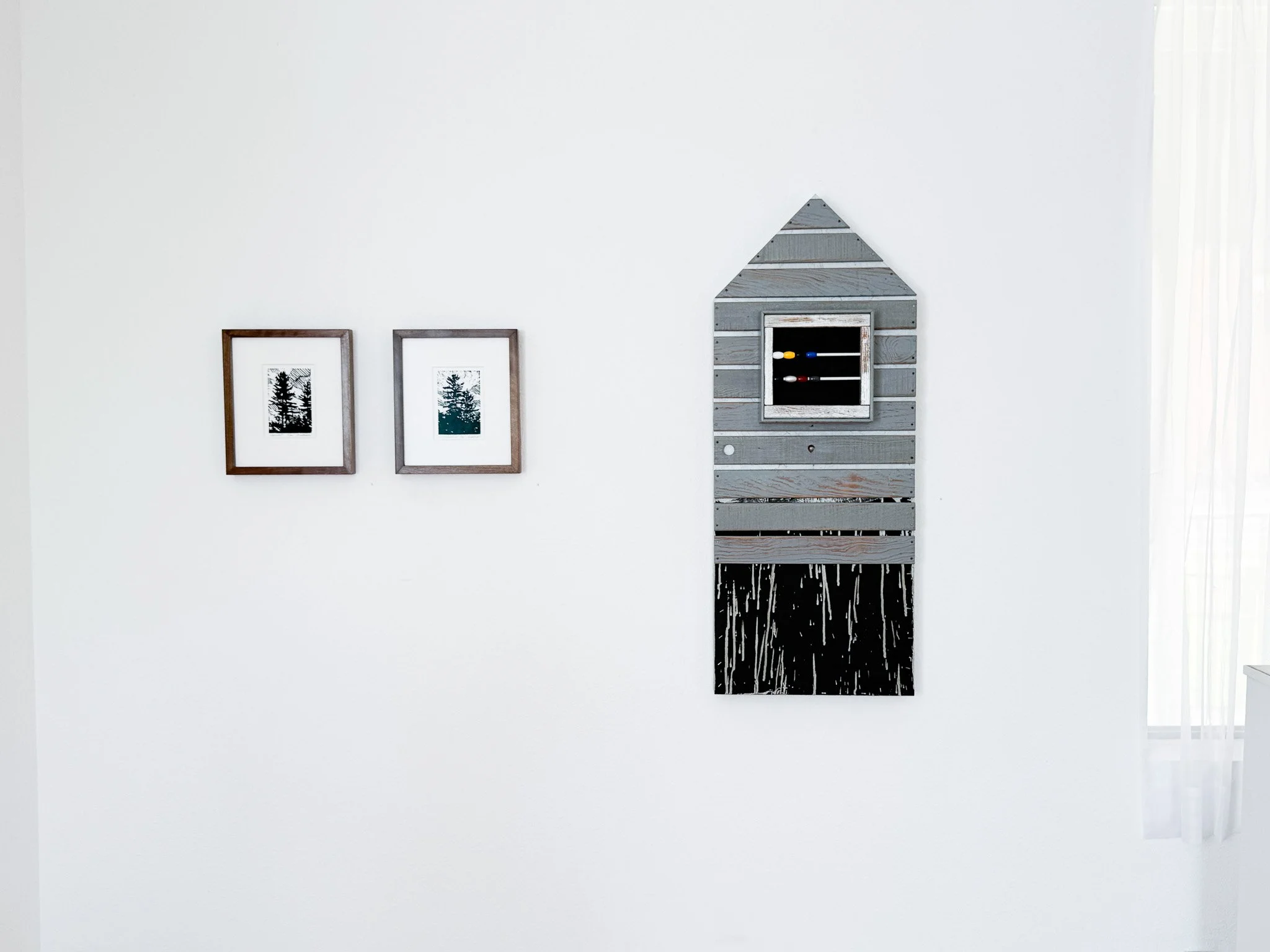
Photo courtesy of M. Kenyon
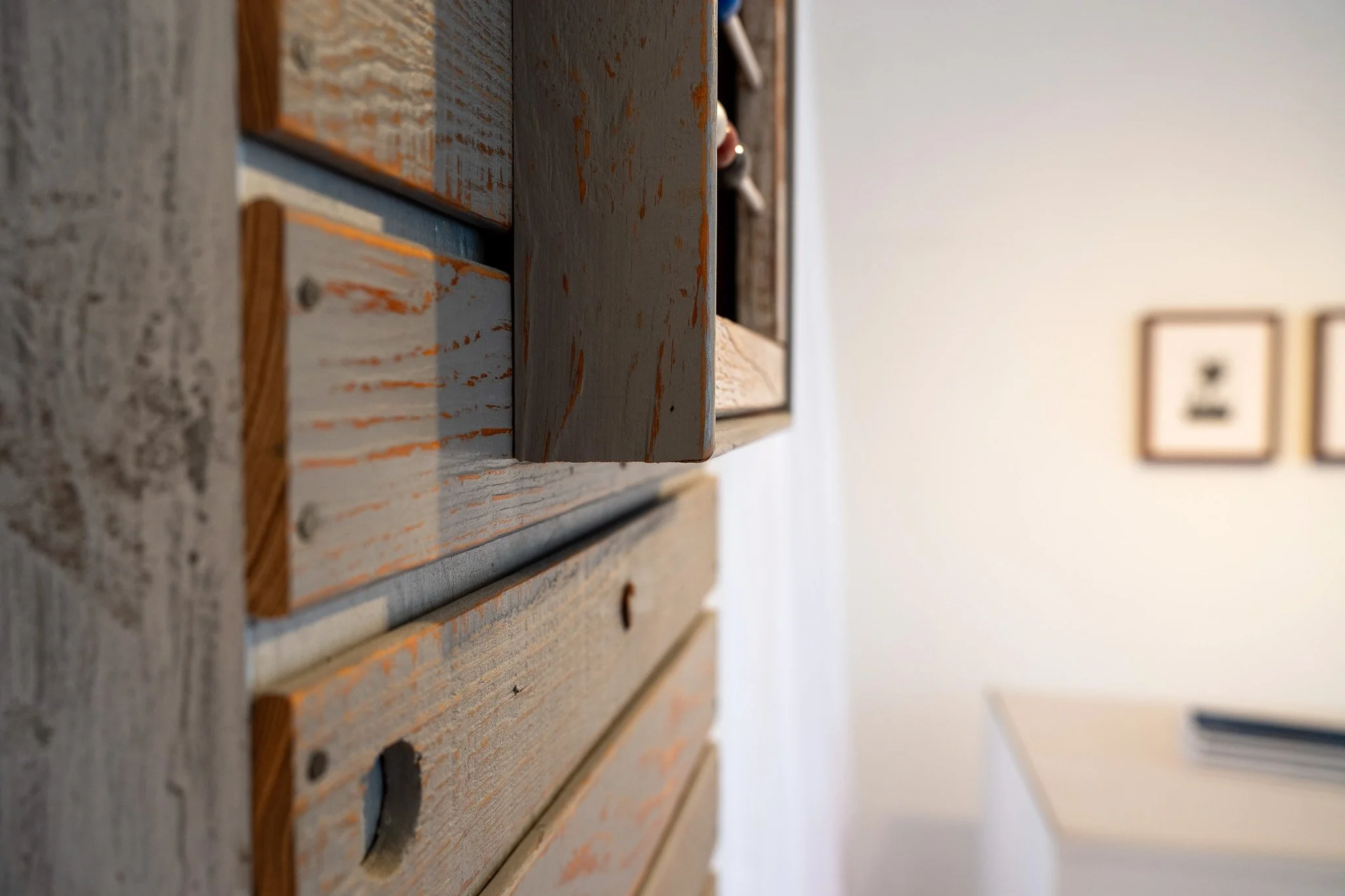
Ontonagon (detail), Cameron Anderson, 2026. Photo courtesy of Kati Q. Gaschler
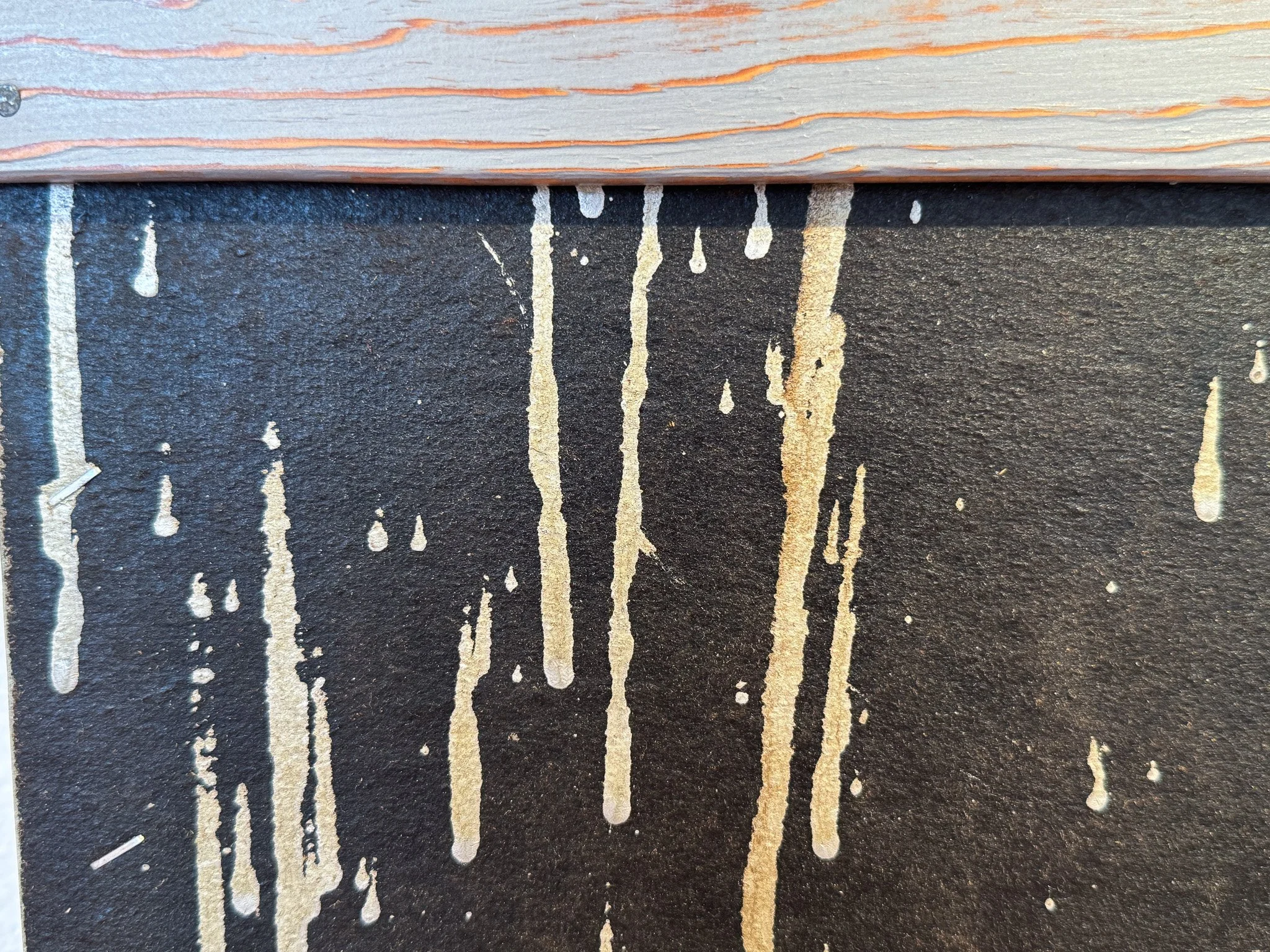
Ontonagon (detail), Cameron Anderson, 2026. Photo courtesy of M. Kenyon
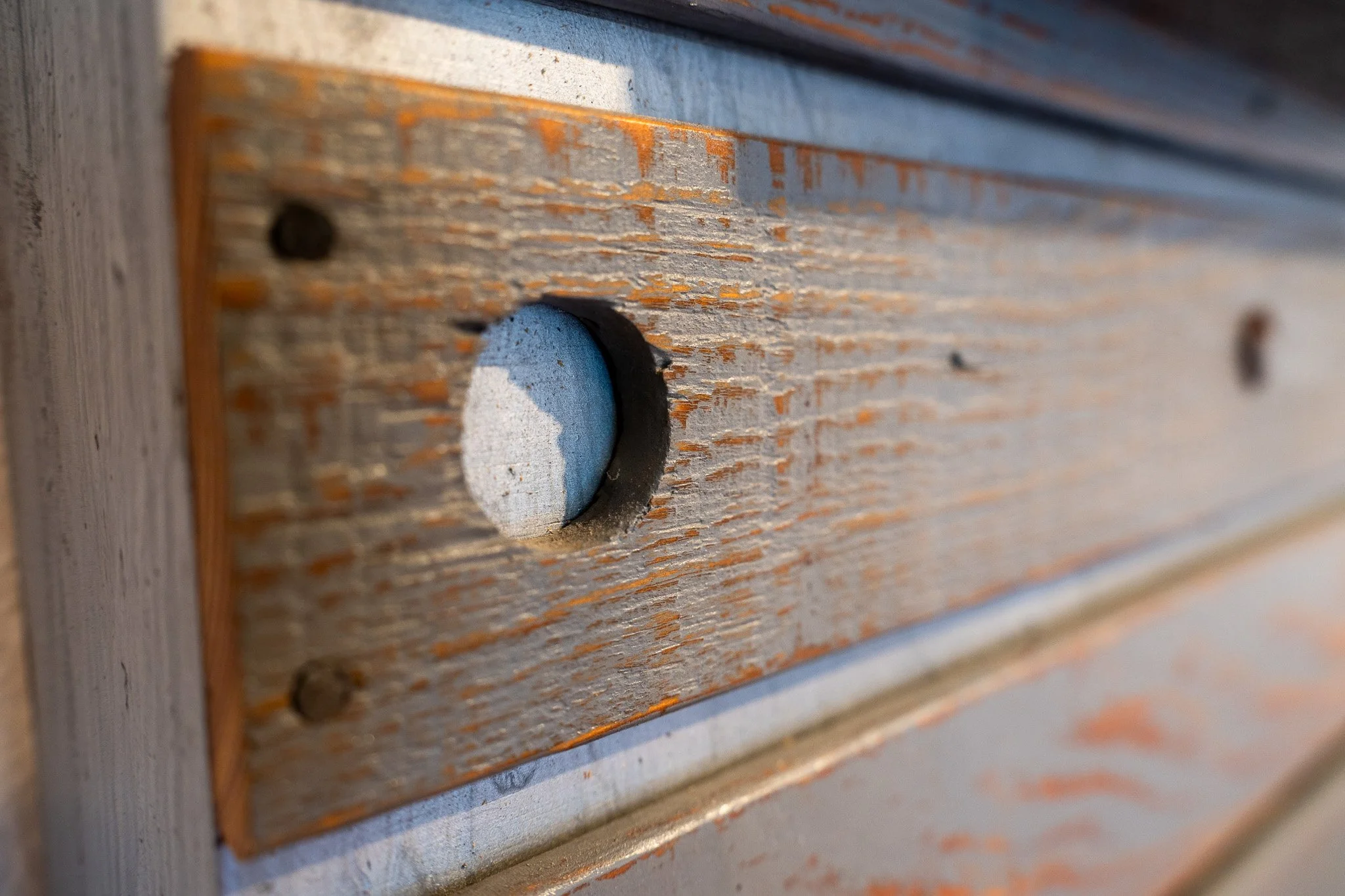
Ontonagon (detail), Cameron Anderson, 2026. Photo courtesy of Kati Q. Gaschler
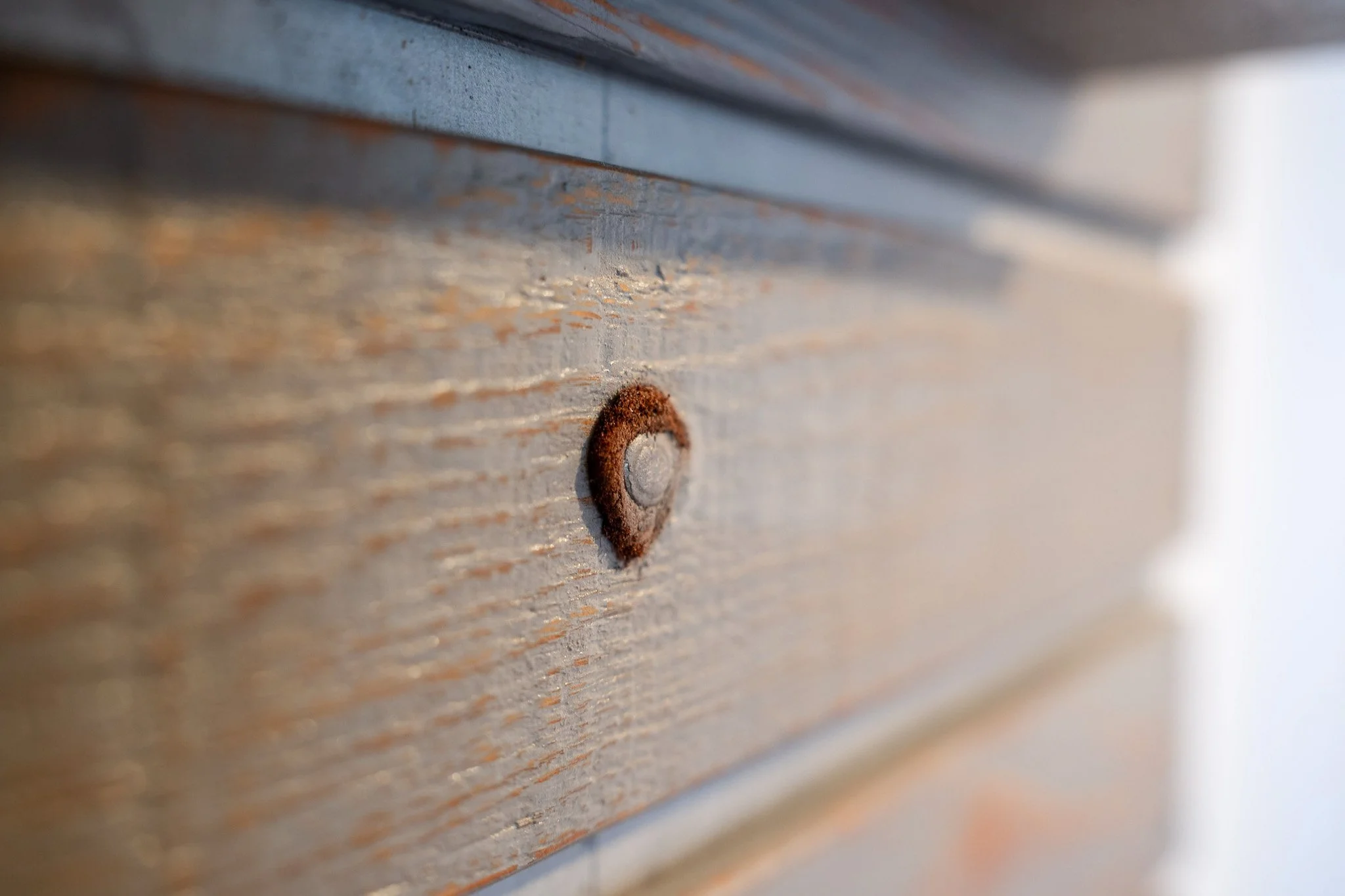
Ontonagon (detail), Cameron Anderson, 2026. Photo courtesy of Kati Q. Gaschler
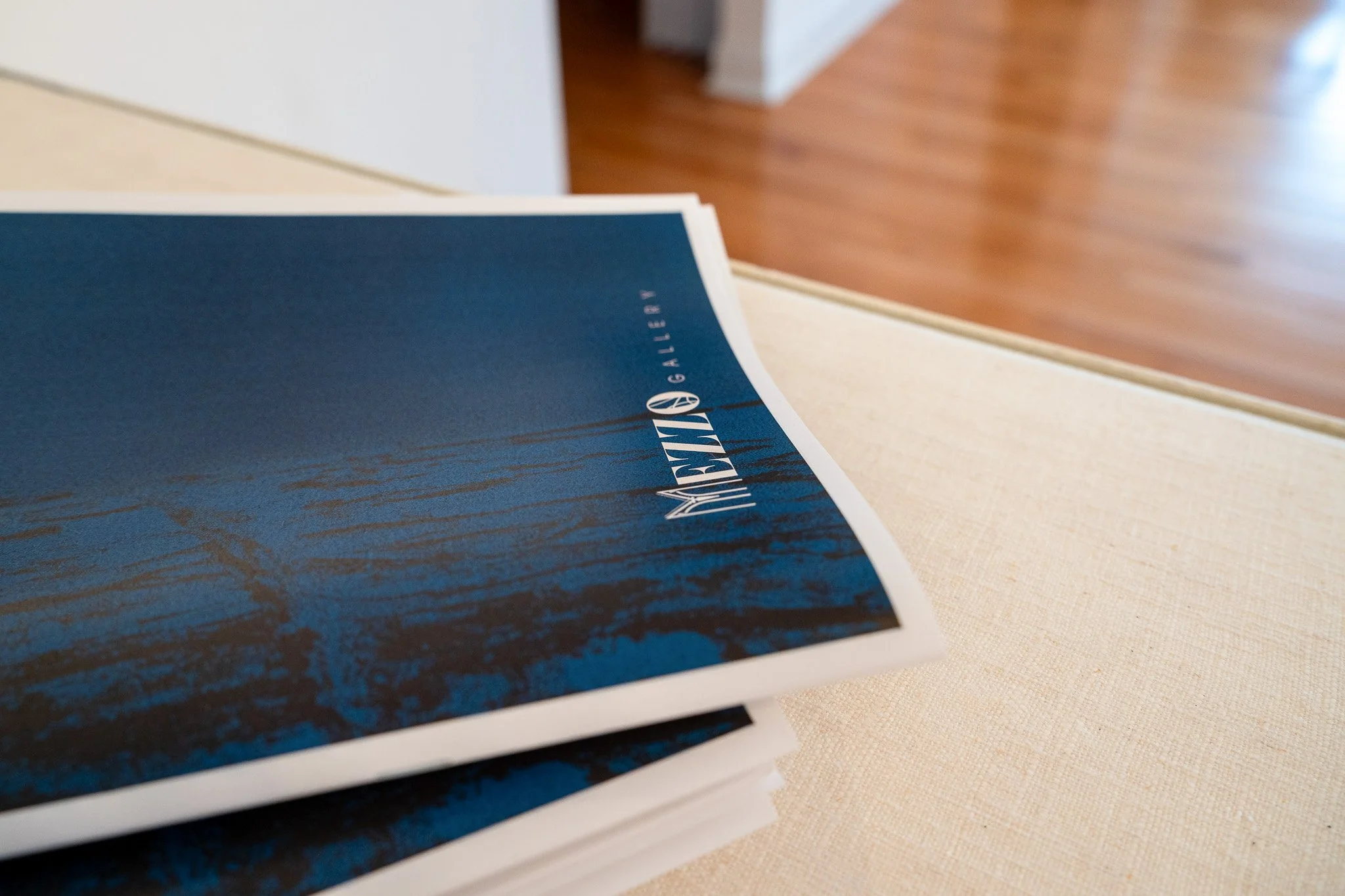
Gallery catalog. Photo courtesy of Kati Q. Gaschler
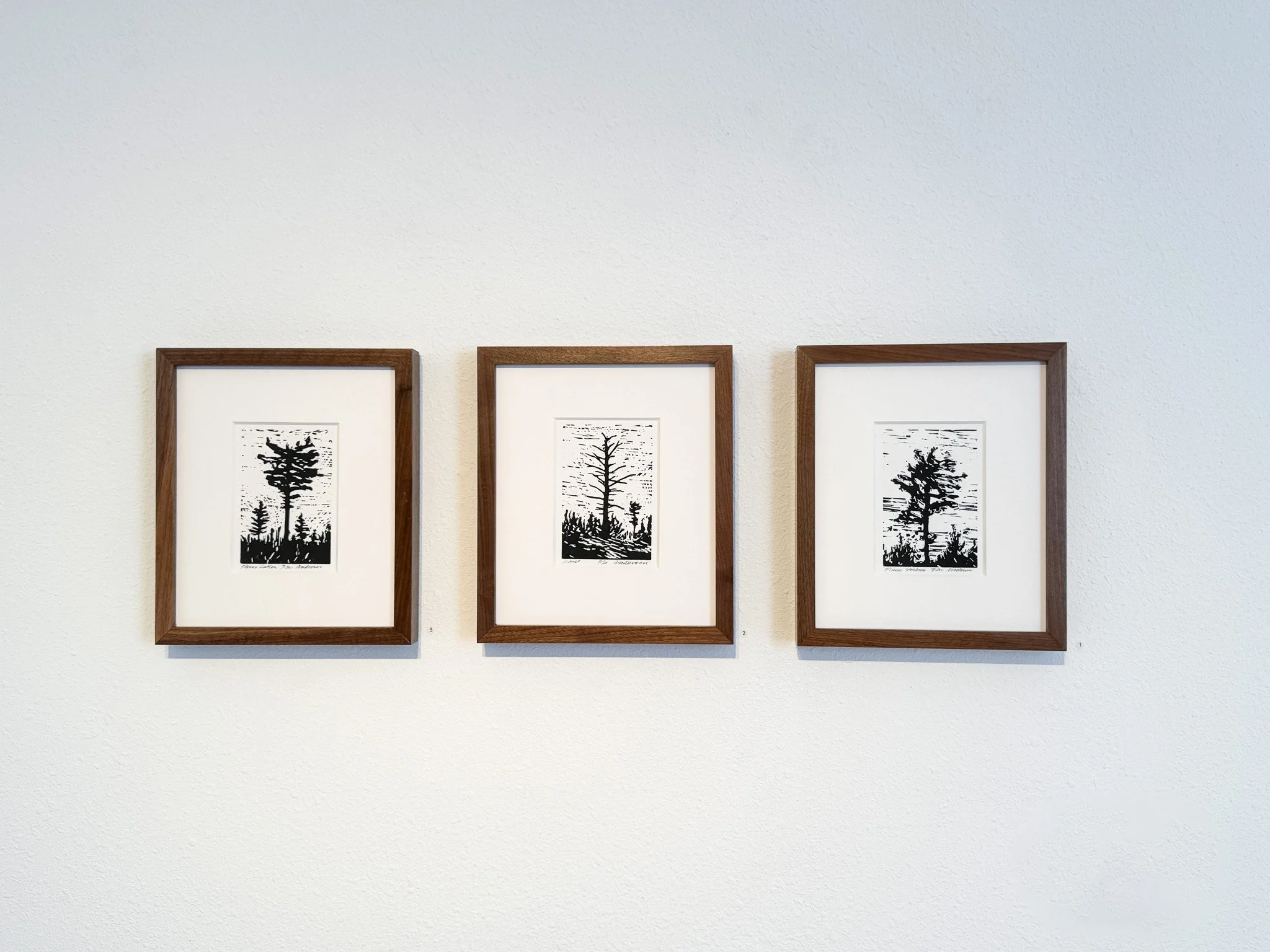
Photo courtesy of Kati Q. Gaschler
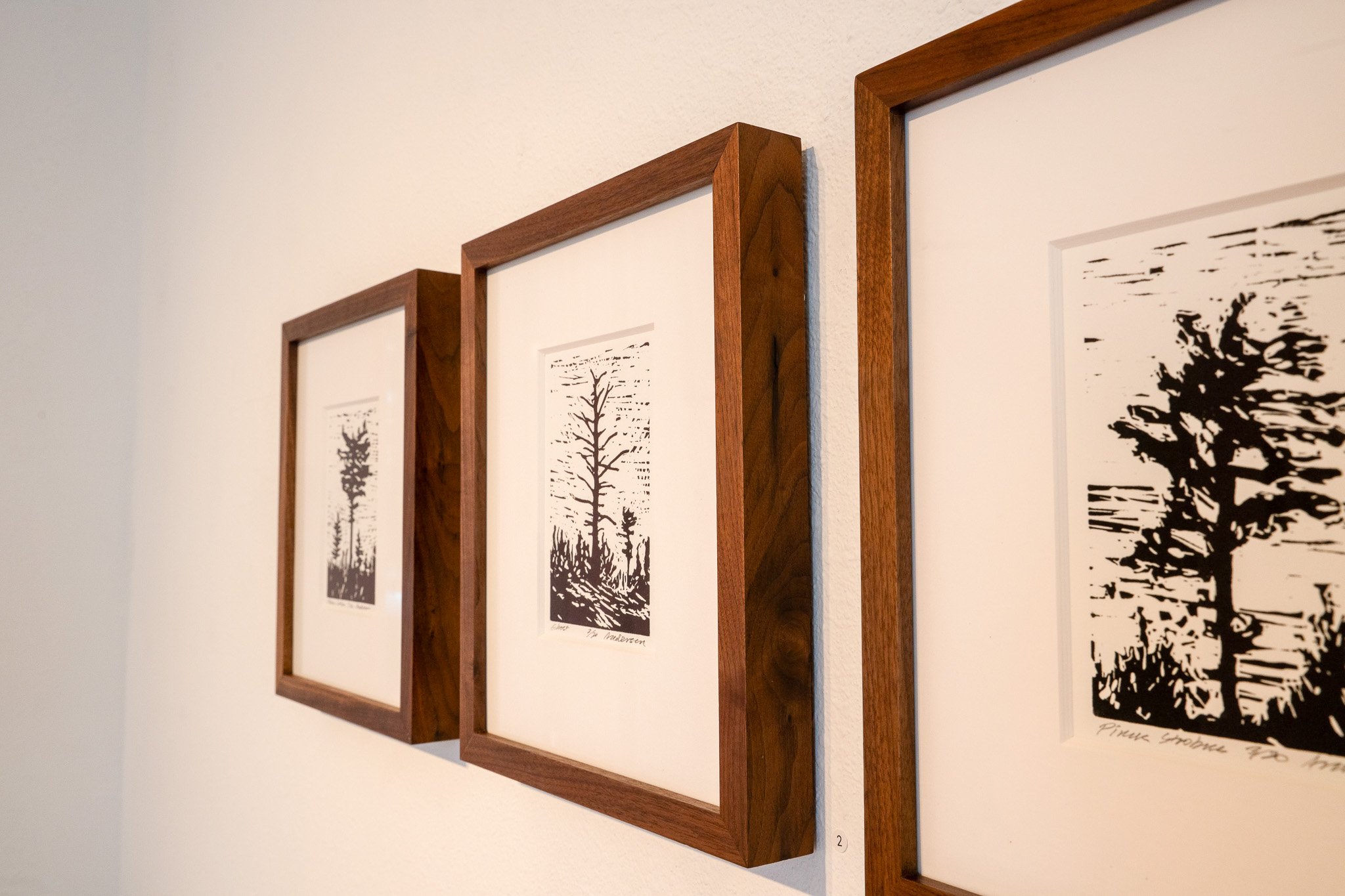
Photo courtesy of Kati Q. Gaschler
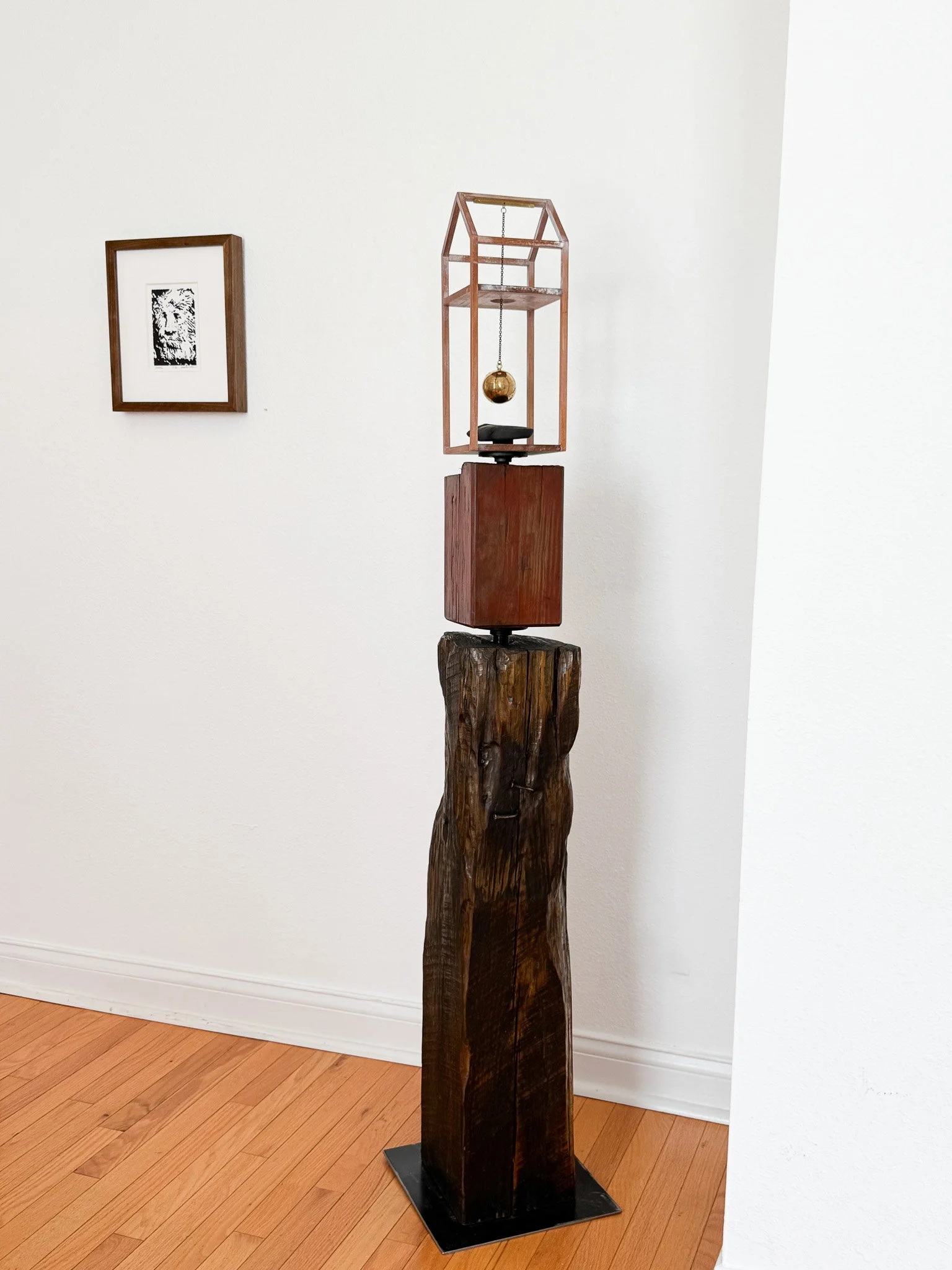
Brancusi's Studio, Cameron Anderson, 2026. Photo courtesy of M. Kenyon
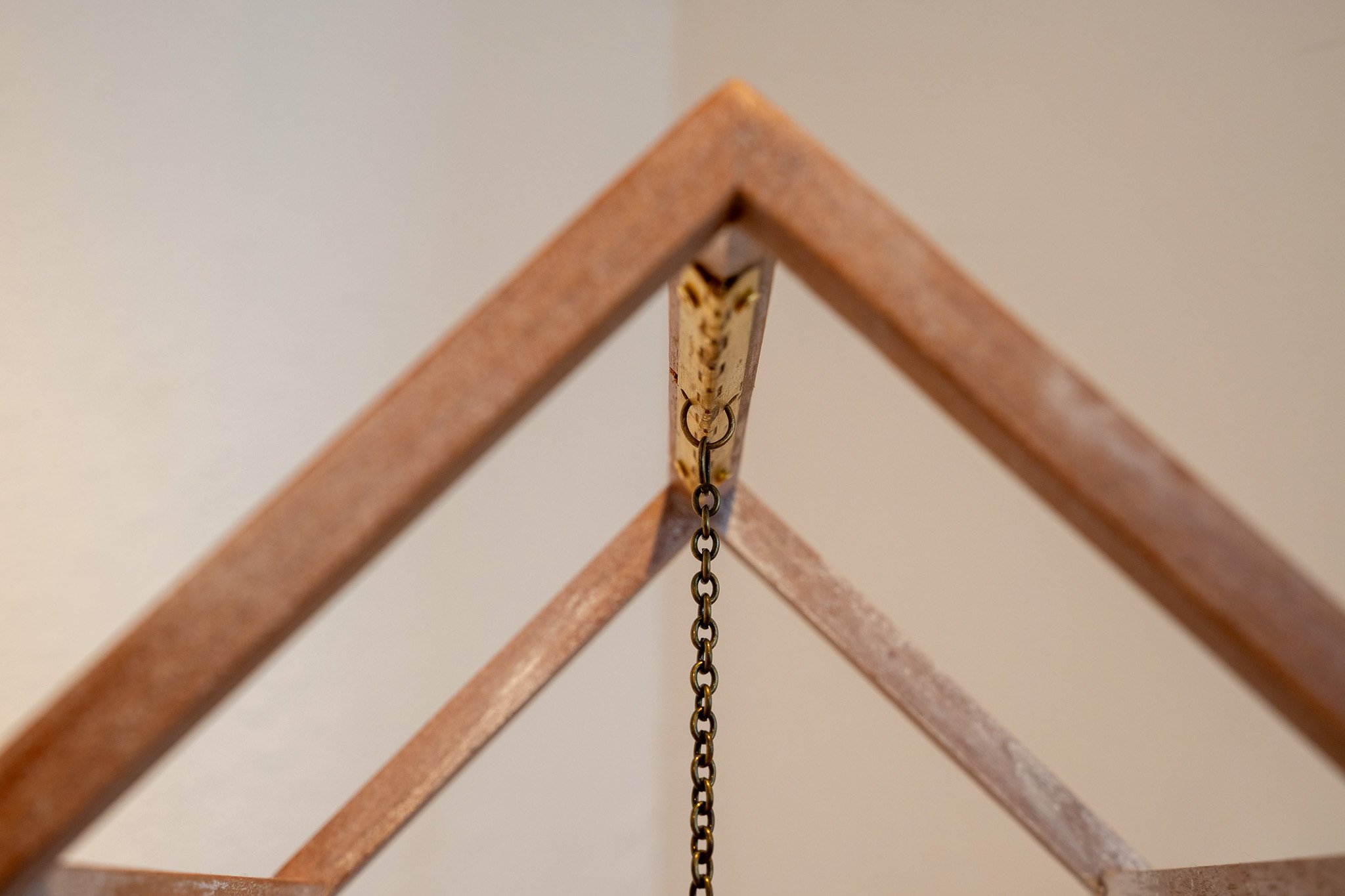
Brancusi's Studio (detail), Cameron Anderson, 2026. Photo courtesy of Kati Q. Gaschler
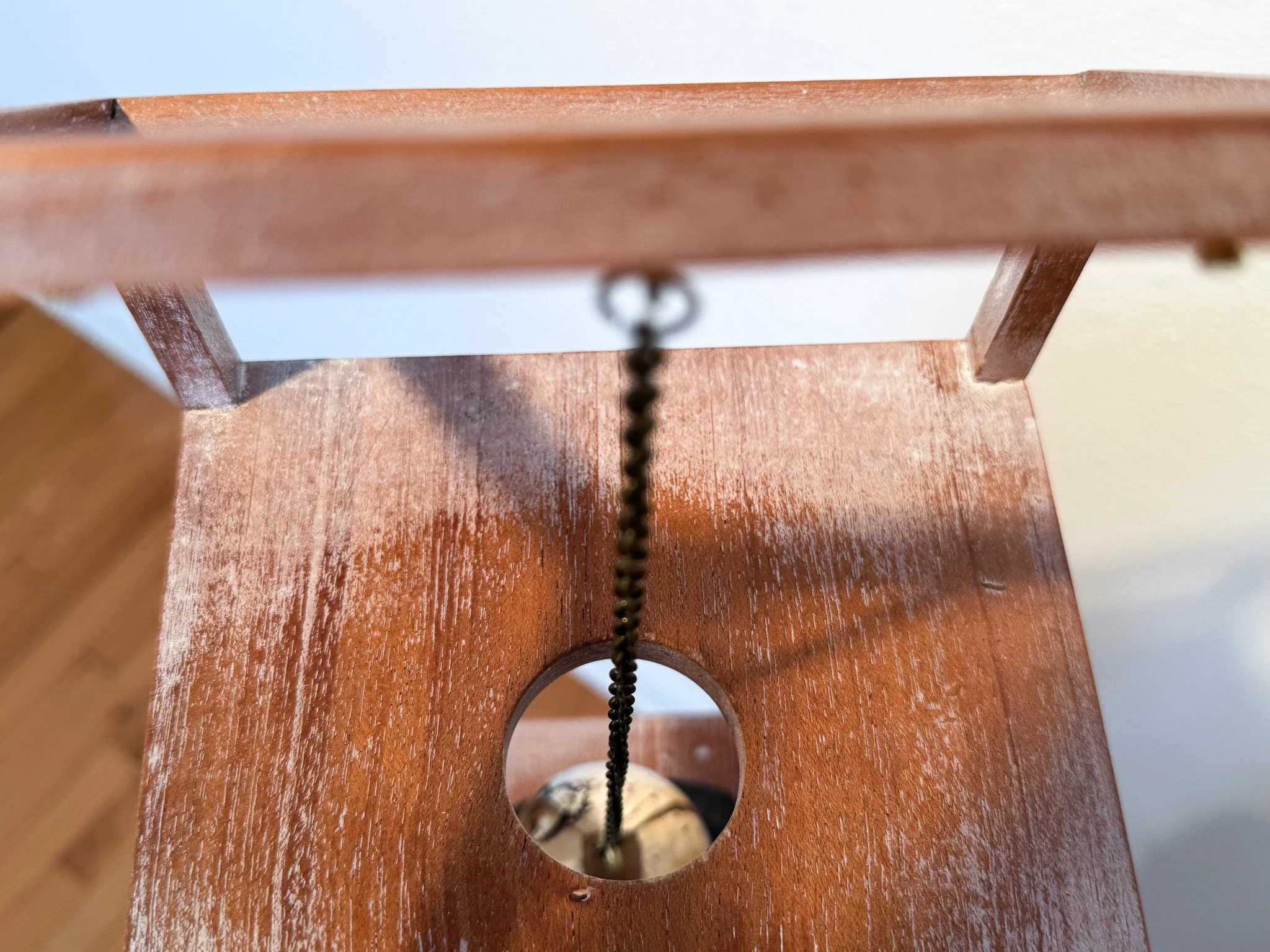
Brancusi's Studio (detail), Cameron Anderson, 2026. Photo courtesy of Kati Q. Gaschler
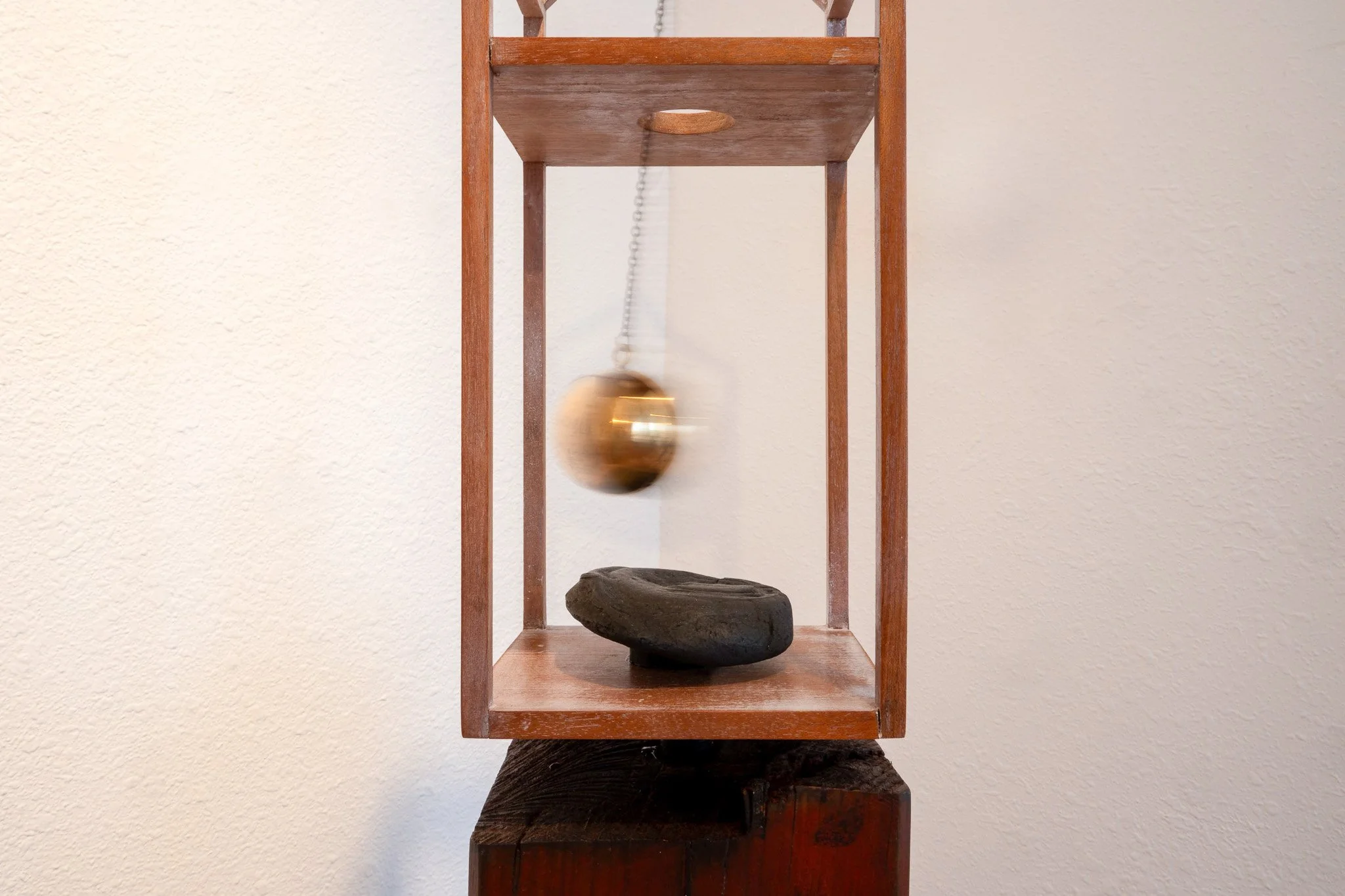
Brancusi's Studio (detail), Cameron Anderson, 2026. Photo courtesy of Kati Q. Gaschler
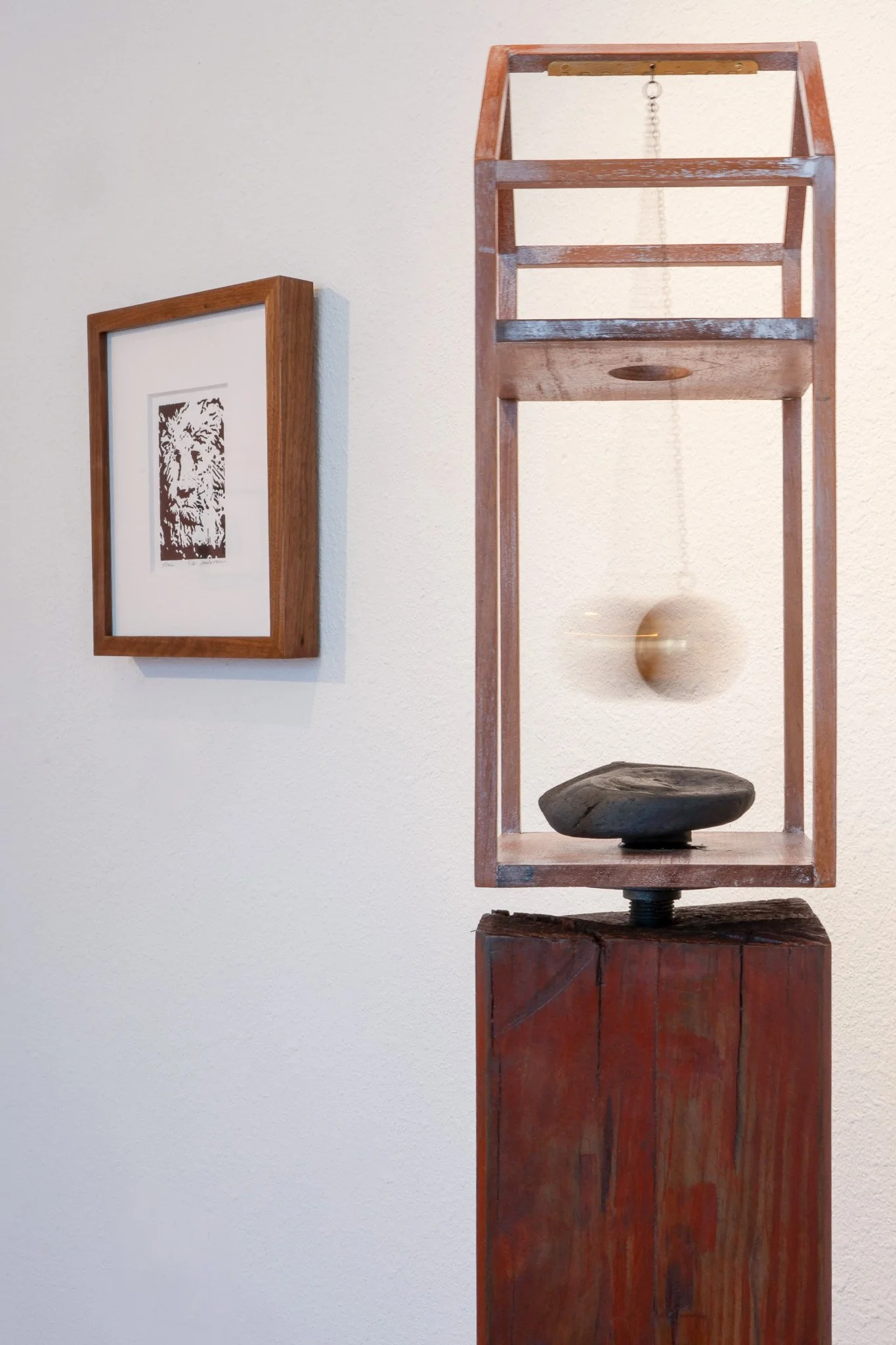
Brancusi's Studio (detail), Cameron Anderson, 2026. Photo courtesy of Kati Q. Gaschler
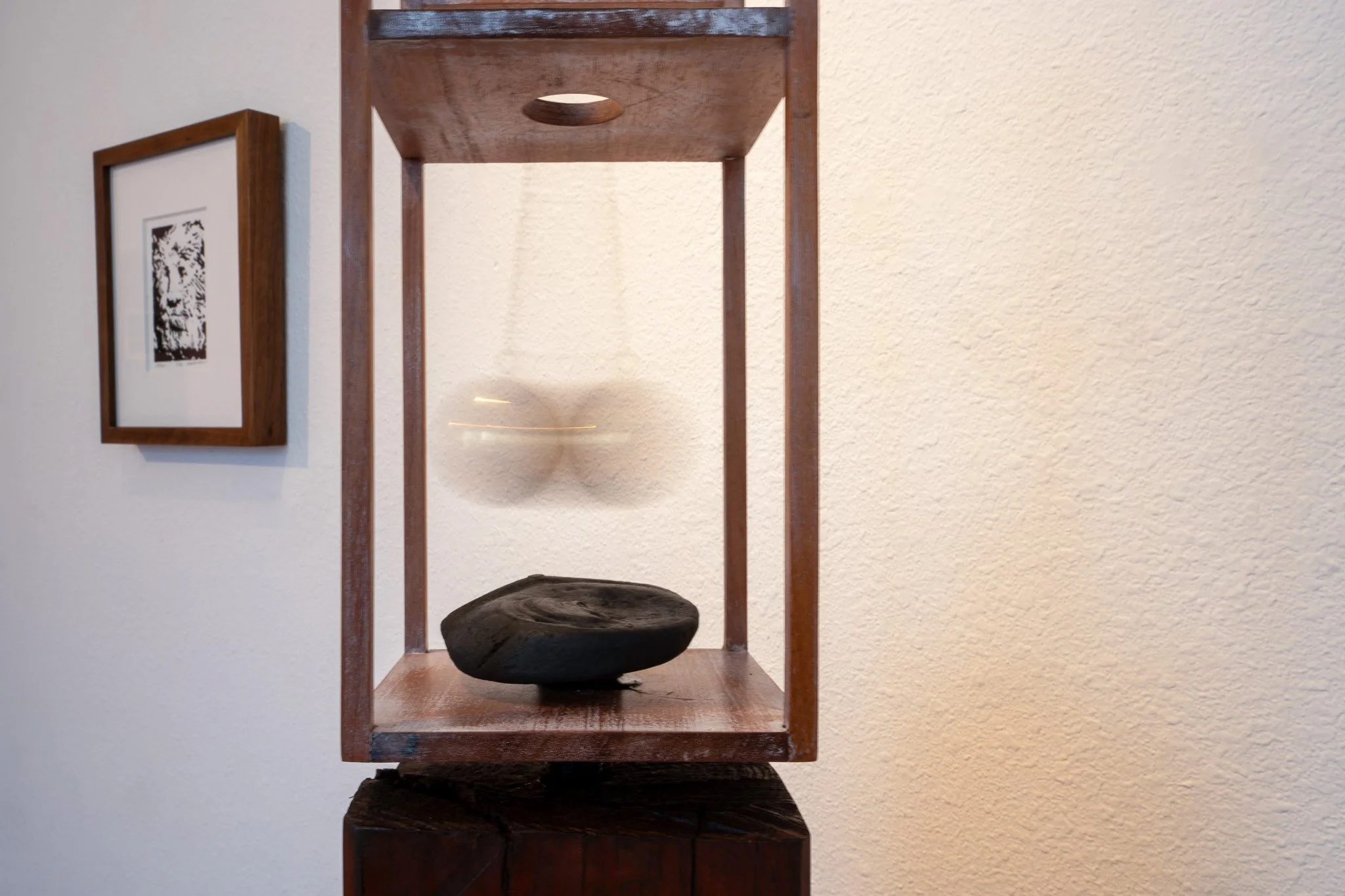
Brancusi's Studio (detail), Cameron Anderson, 2026. Photo courtesy of Kati Q. Gaschler
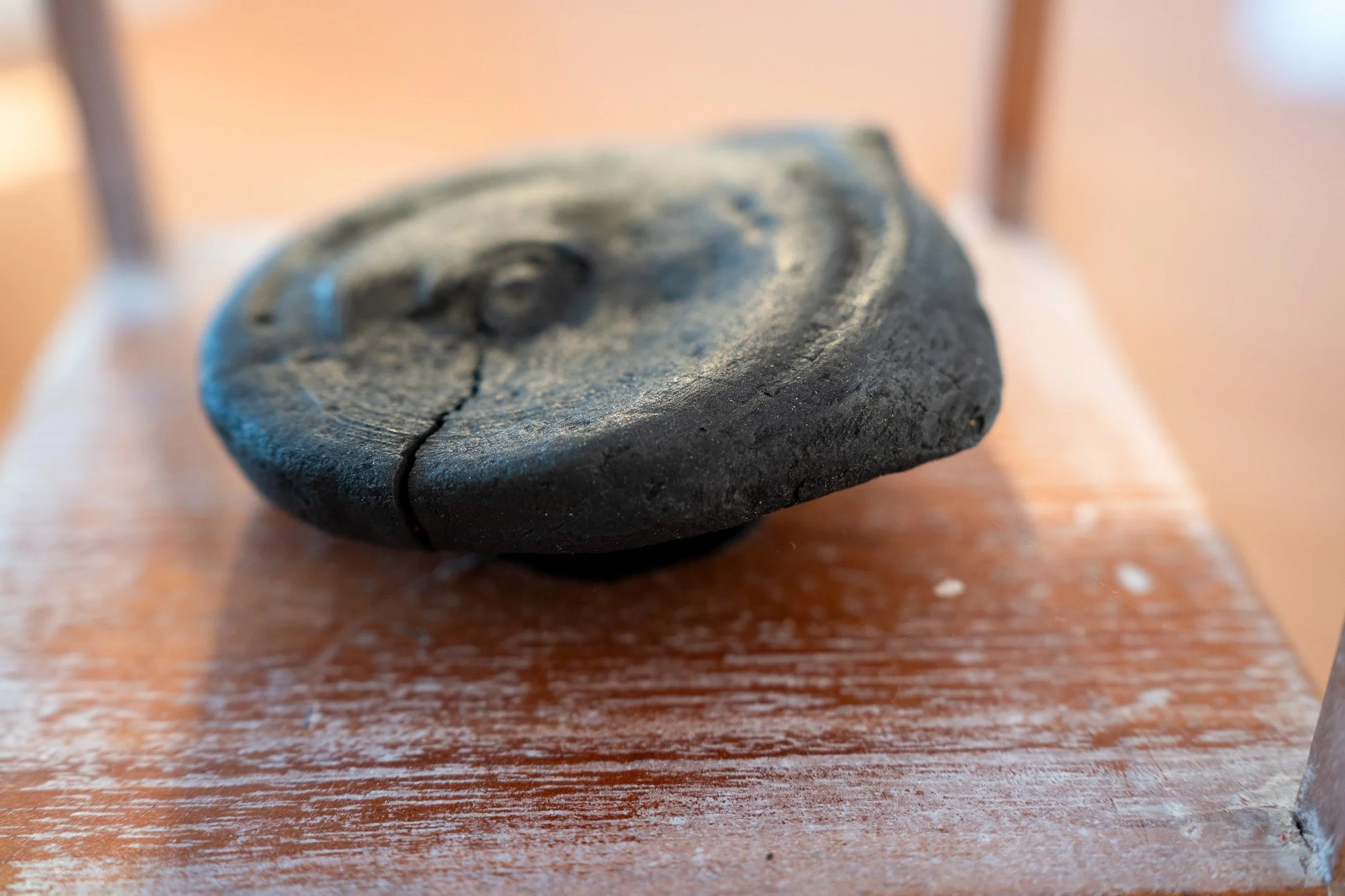
Brancusi's Studio (detail), Cameron Anderson, 2026. Photo courtesy of Kati Q. Gaschler
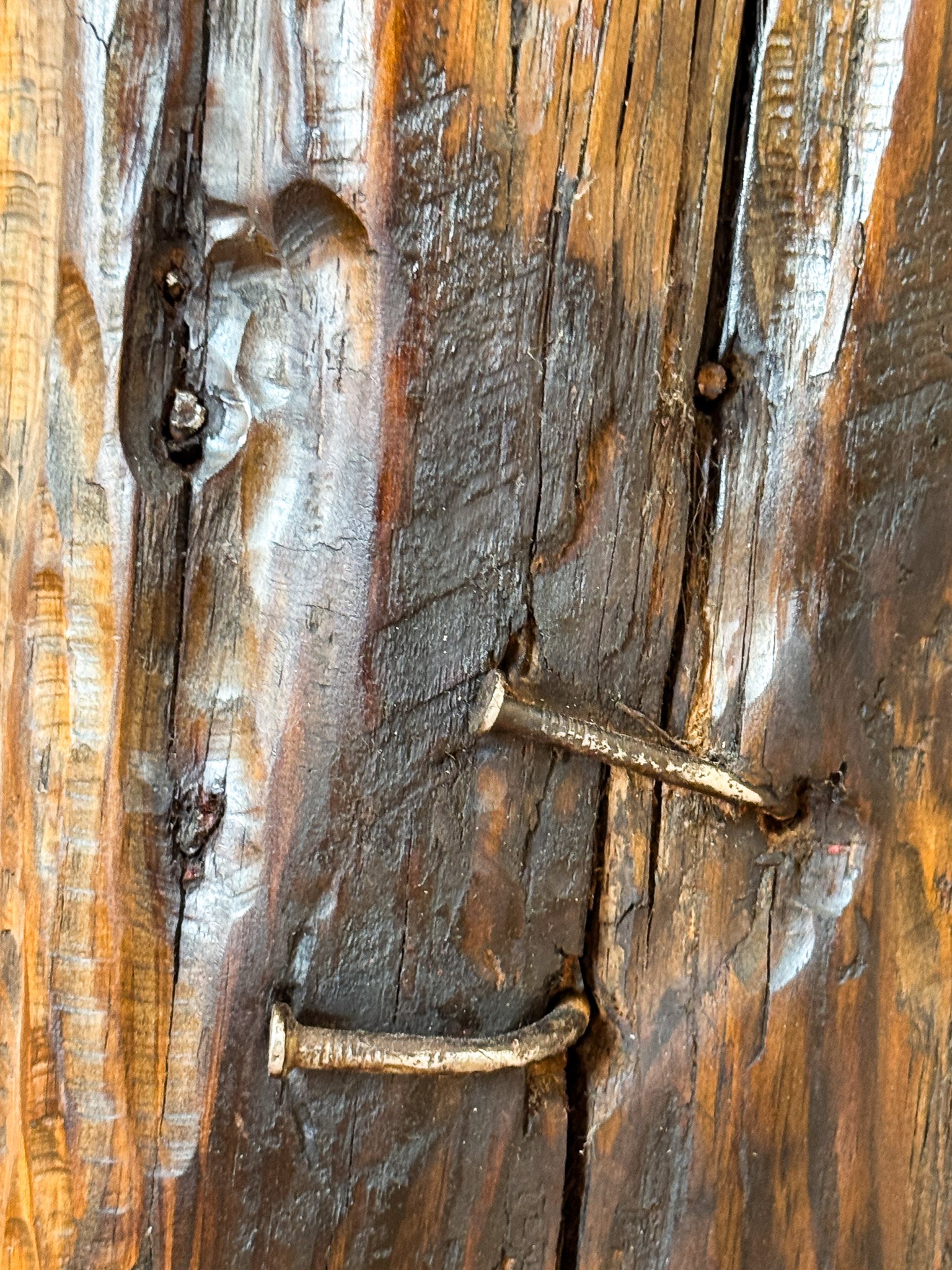
Brancusi's Studio (detail), Cameron Anderson, 2026. Photo courtesy of M. Kenyon
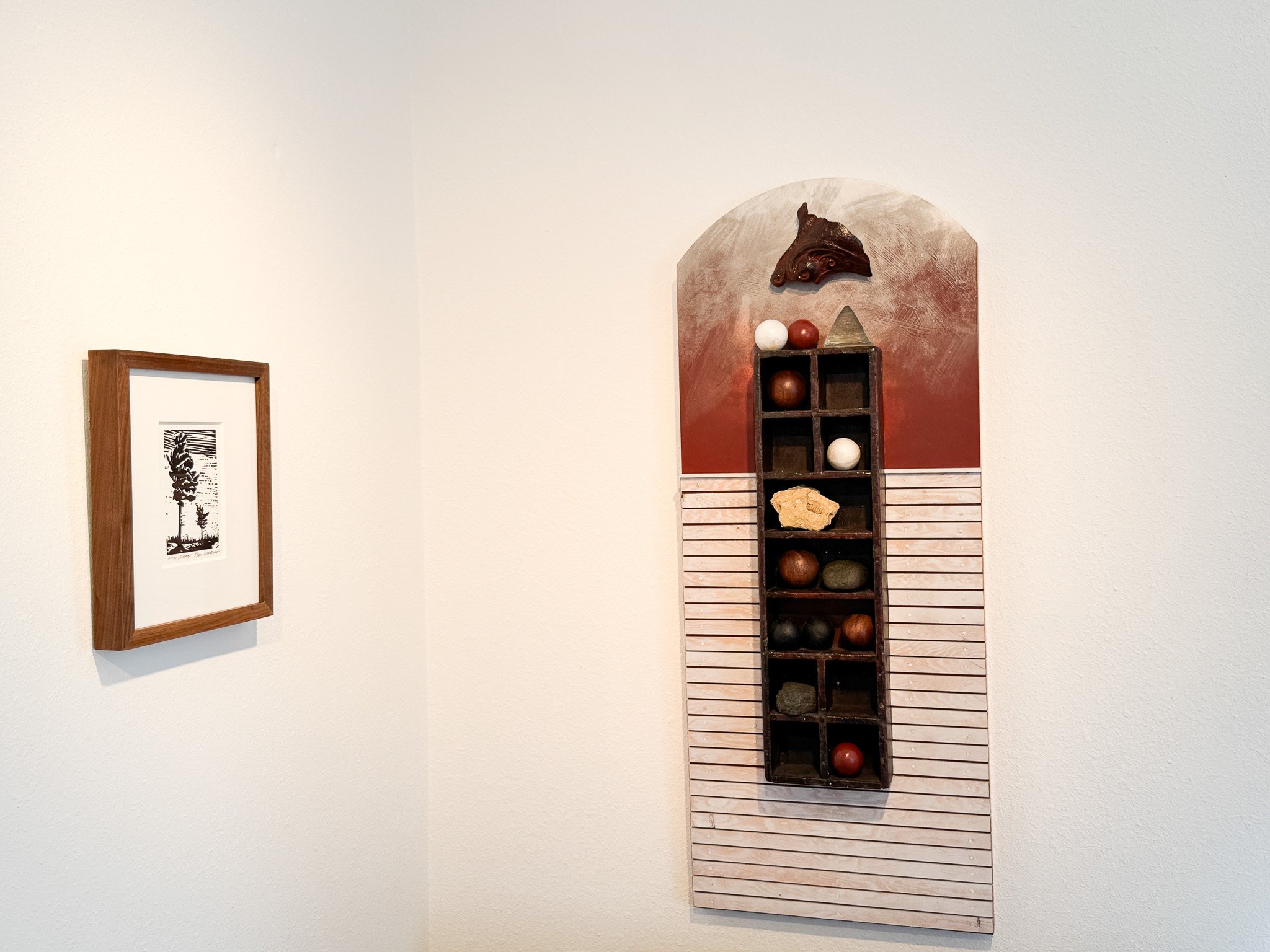
Talbot, Cameron Anderson, 2023. Photo courtesy of M. Kenyon
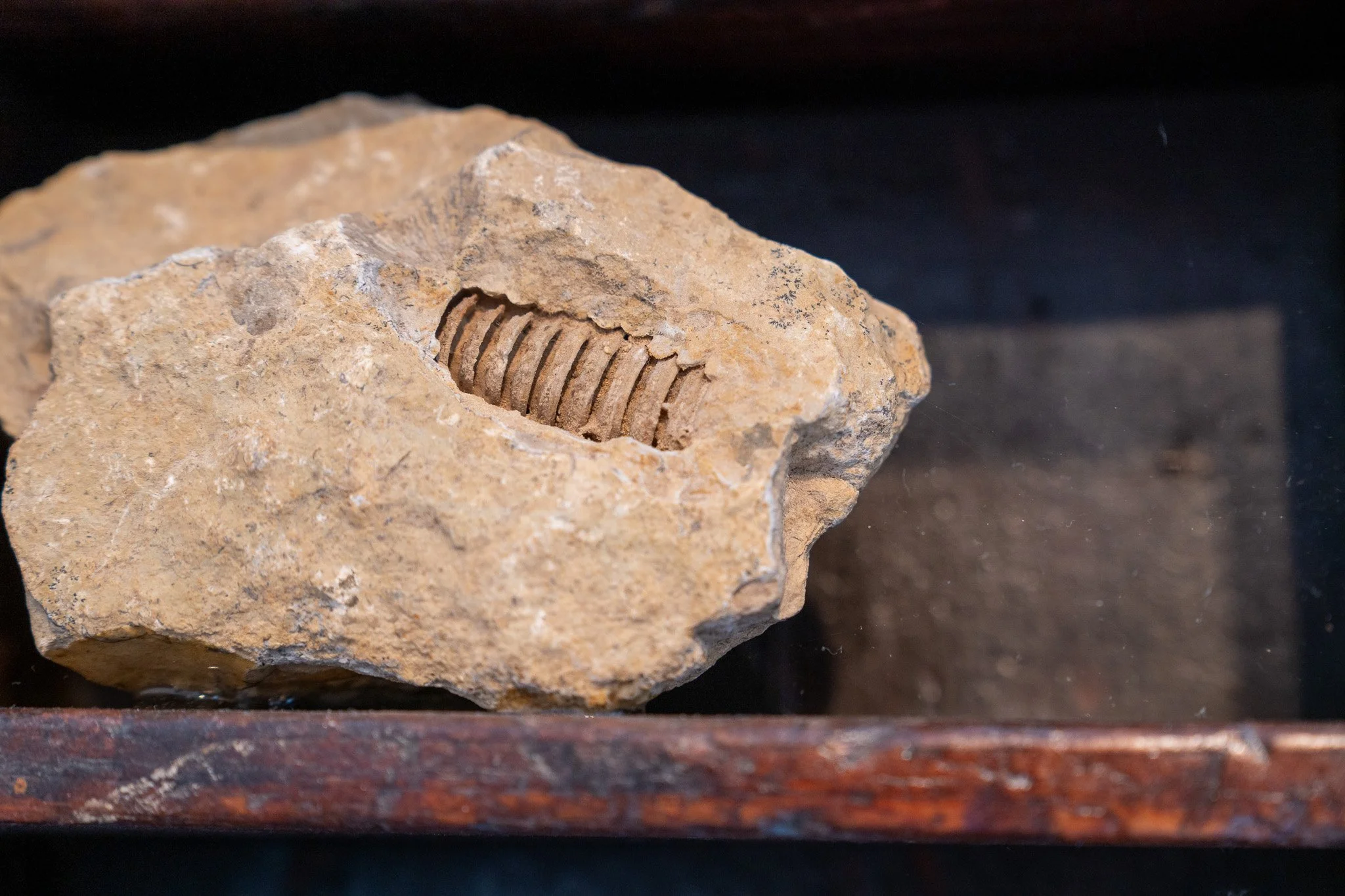
Talbot (detail), Cameron Anderson, 2023. Photo courtesy of Kati Q. Gaschler
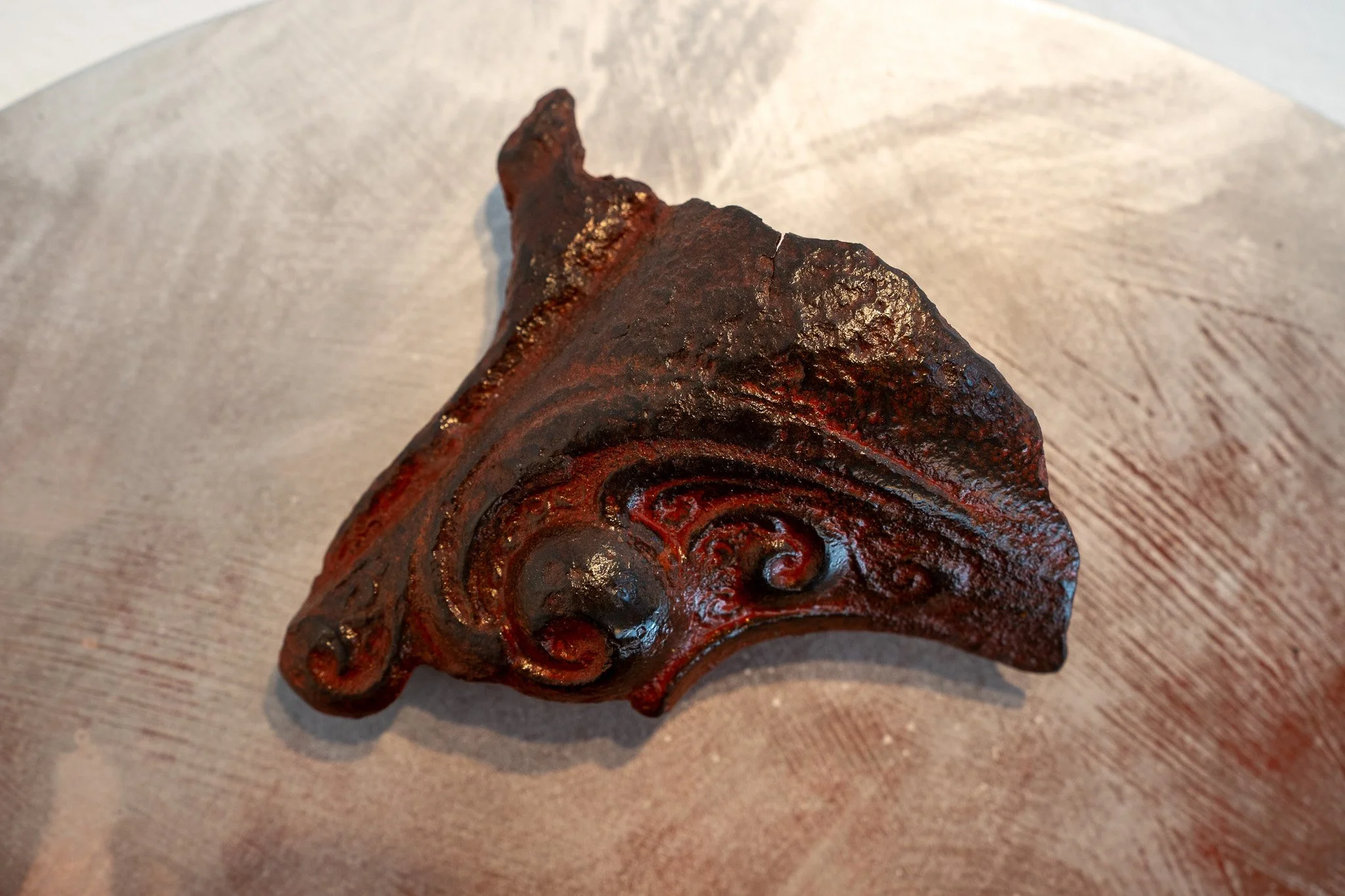
Talbot (detail), Cameron Anderson, 2023. Photo courtesy of Kati Q. Gaschler
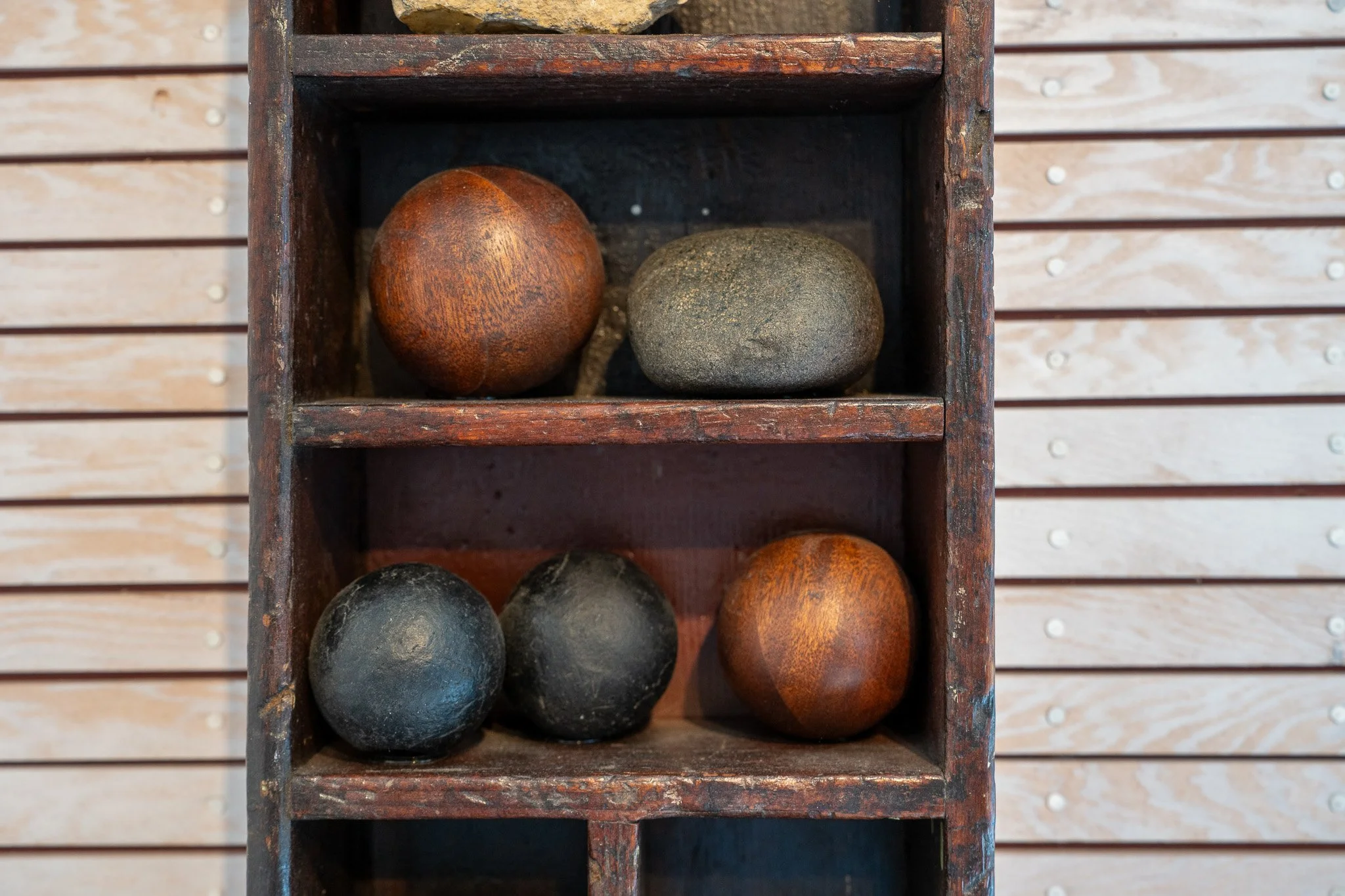
Talbot (detail), Cameron Anderson, 2023. Photo courtesy of Kati Q. Gaschler
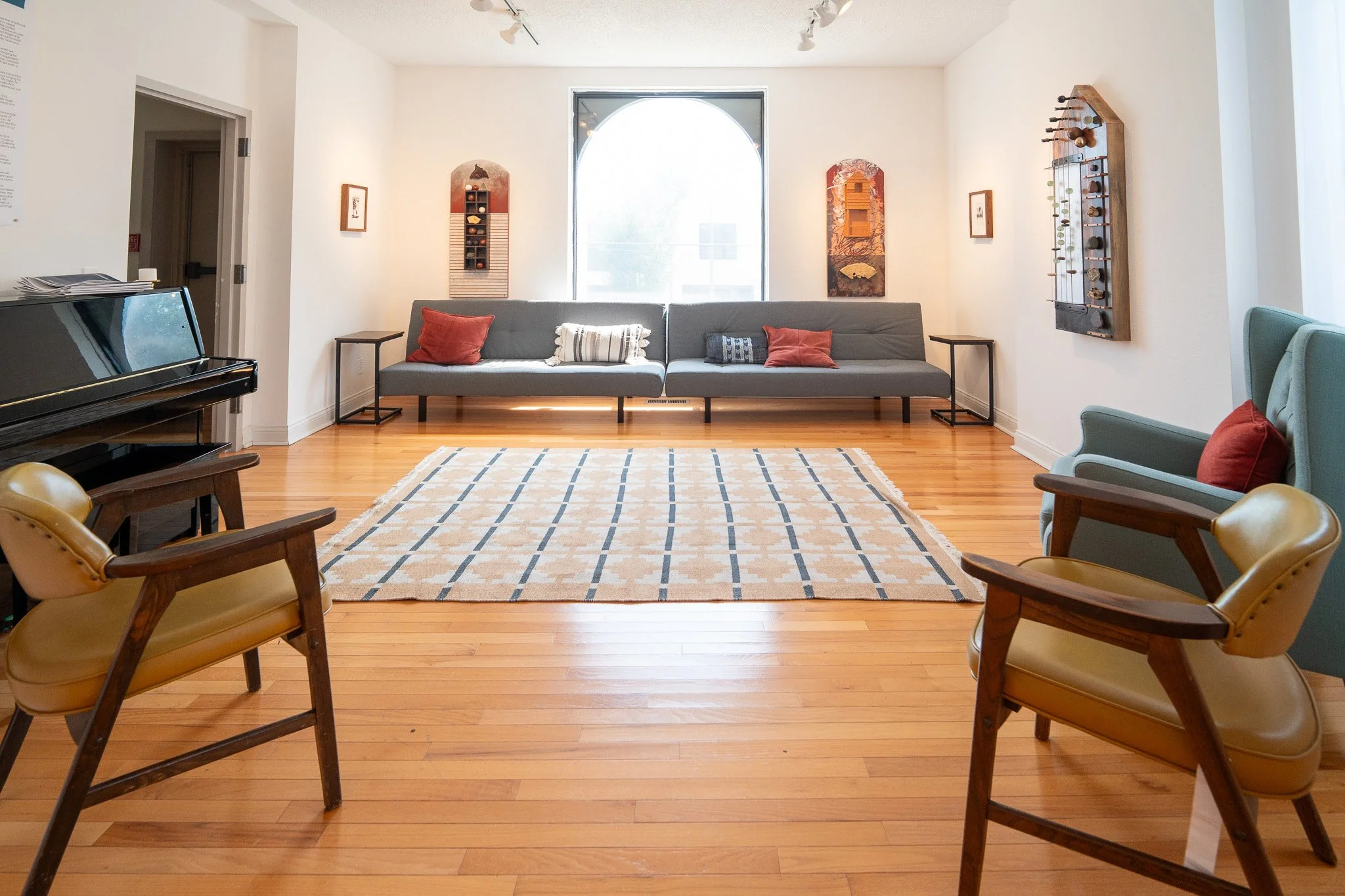
Photo courtesy of Kati Q. Gaschler
CATALOG
Catalog content is copyrighted 2026 by Mezzo Gallery. No documentation photos, curatorial or artist statements, or the catalog may be used or reproduced without permission.